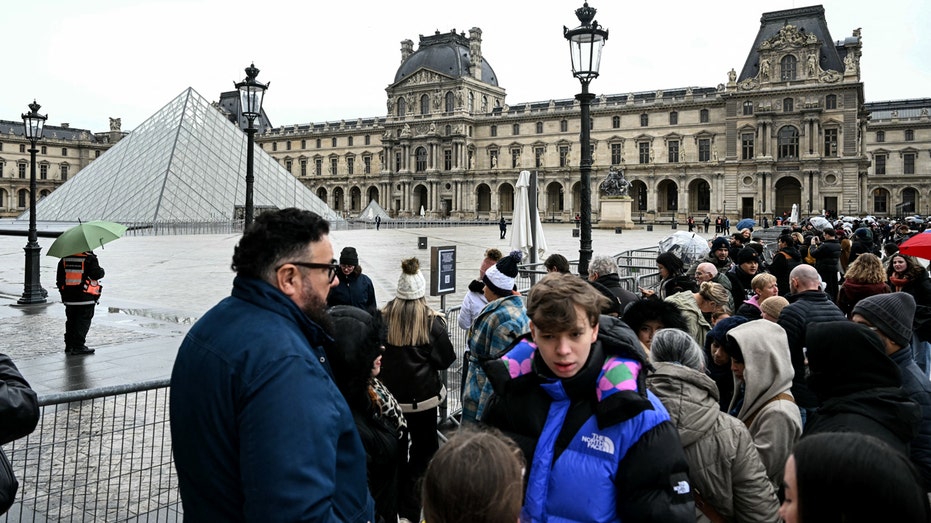
The Louvre, Paris’s iconic heart of art and history, unexpectedly fell silent on Monday, its grand doors closed to the throngs of visitors who usually stream through its halls. This wasn't a planned closure for restoration or a special event; it was the result of escalating tensions and a growing unrest within its own walls.
The closure stemmed from a long-simmering employee strike, stretching back to the previous summer, a protest over wages and working conditions that had repeatedly disrupted the museum’s operations. However, a brazen daylight heist in October dramatically amplified the anxieties and fueled the ongoing dispute.
A message appeared on the museum’s website, stark and simple: “Due to a social movement, the Louvre Museum is exceptionally closed today.” Reassurances were offered to those who had planned a visit, promising automatic refunds without the need for action, a small comfort amidst the disappointment.
The Louvre welcomed an astounding 8.7 million visitors in the past year, the vast majority traveling from across the globe to witness masterpieces like the Mona Lisa. On a typical day, roughly 20,000 people would pass through its galleries, captivated by centuries of artistic achievement.
Adding to the complexity, a recent price increase for non-EU citizens – a jump from $25 to $37 – had sparked debate. The Louvre cited the need to fund enhanced security measures and new technologies as the justification for the higher fees.
The October heist, executed by a team of four, exposed vulnerabilities within the museum’s security. Thieves infiltrated the Apollo Gallery in broad daylight, making off with eight precious jewels collectively valued at a staggering 88 million euros – a loss that sent shockwaves through the art world.
In response to the theft and the growing concerns of its staff, the Louvre is undertaking a significant security overhaul. Plans are underway to install approximately 100 new cameras by the end of 2026, a key component of over twenty emergency measures being implemented.
A new position, “security coordinator,” has also been created, signaling a commitment to bolstering protection of the museum’s invaluable collection. The closure on Monday served as a stark reminder of the challenges facing this world-renowned institution – balancing accessibility with the paramount need for security and fair treatment of its dedicated workforce.