A wave of pressure is building in the United Kingdom following U.S. sanctions targeting a London-based activist. Accusations from U.S. intelligence allege a connection to Hamas, igniting a political firestorm and prompting a re-evaluation of counterterrorism measures within Britain.
The U.S. Treasury Department recently announced sanctions against six Gaza-based groups and the Popular Conference for Palestinians Abroad (PCPA), claiming the latter operates as a front for Hamas’s international activities. Central to these sanctions is Zaher Birawi, a 64-year-old identified as a “senior official” within Hamas through his leadership role in the PCPA.
American officials allege Birawi, a founding member of the PCPA, has been instrumental in expanding Hamas’s global reach and fundraising efforts. These efforts reportedly included support for flotillas attempting to reach Gaza, some of which garnered public endorsements from well-known figures.
The U.S. Undersecretary for Terrorism and Financial Intelligence condemned Hamas’s actions, stating a firm commitment to disrupt the flow of funds fueling terrorist operations. This stance underscores a zero-tolerance policy towards those perceived to be enabling Hamas’s activities.
The sanctions have immediately placed the United Kingdom under scrutiny, as British authorities have been reviewing potential counterterror measures against Birawi for weeks. Calls are growing for decisive action to prevent the UK from becoming a safe haven for individuals linked to terrorist organizations.
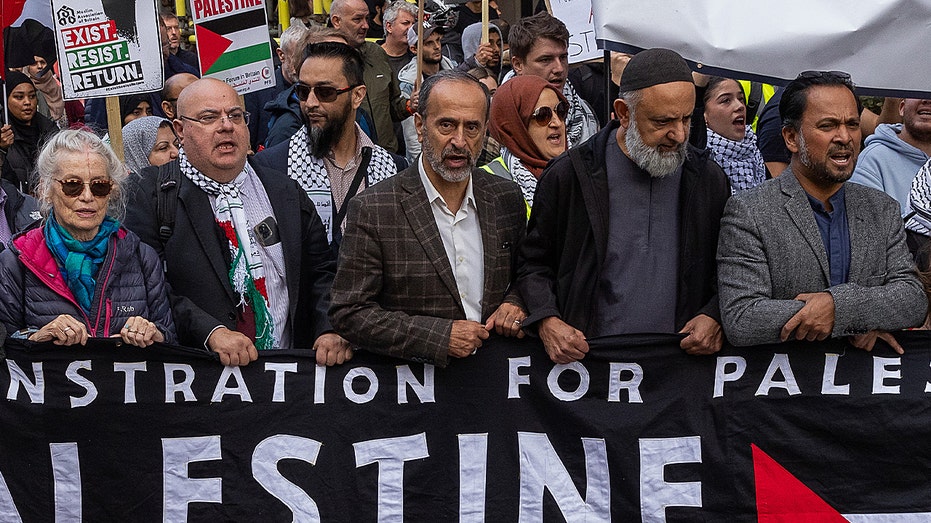
Critics point to Birawi’s continued activity in London, where he chairs the Palestine Forum in Britain and organizes pro-Palestinian demonstrations. Despite the U.S. designation and previous accusations from Israel in 2013, he maintains his innocence and insists his work centers on Palestinian rights.
Birawi vehemently denies any connection to Hamas, asserting he is a law-abiding British citizen dedicated to defending the rights of Palestinians living under occupation. He has consistently refuted allegations of terrorist affiliations throughout the years.
The situation has sparked debate within the UK Parliament, with some members raising Birawi as a security concern. The pressure is mounting on British officials to thoroughly examine the intelligence and determine an appropriate course of action.
Having resided in the UK for over three decades, Birawi’s case presents a complex challenge for British authorities. Balancing national security concerns with principles of due process and freedom of expression will be crucial in navigating this sensitive situation.