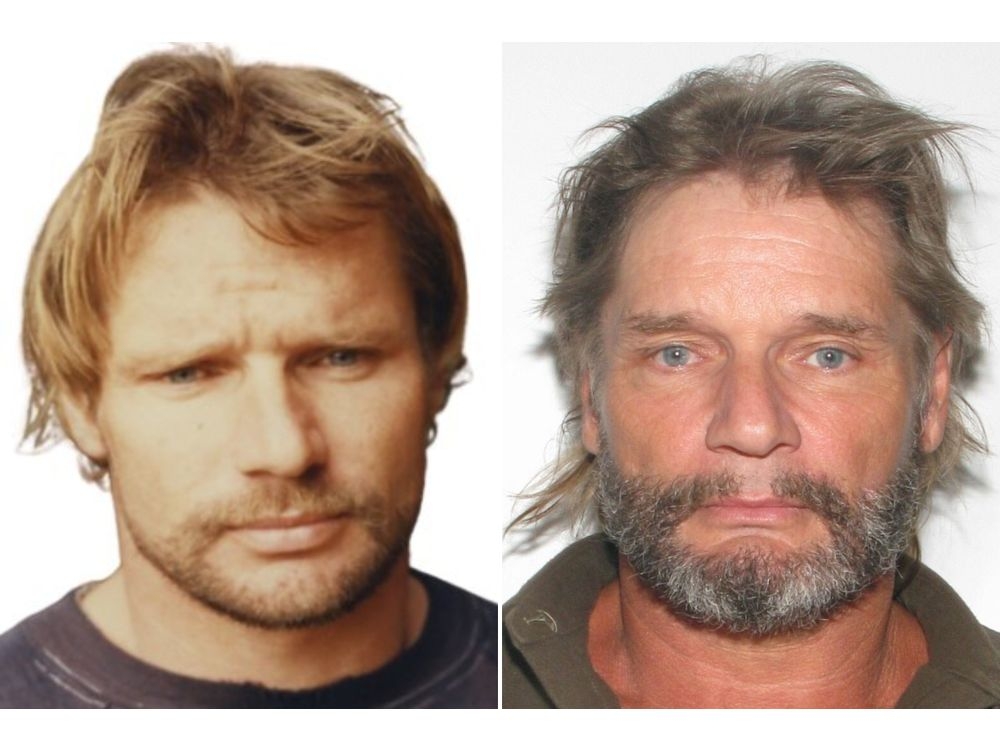
A shadow fell over communities from New York to Georgia, revealing a troubling pattern of alleged exploitation. For years, teenagers from vulnerable neighborhoods were recruited into a door-to-door candy sales operation, unknowingly fueling a scheme that lined the pockets of one man.
Jule Huston, the founder behind a network of youth-focused nonprofits, promised opportunities – scholarships, trips, even laptops – to children striving for a better future. But prosecutors allege a starkly different reality: a system where the vast majority of funds generated from tireless sales vanished, leaving promises unfulfilled.
Investigations across D.C., Maryland, and Virginia uncovered a disturbing lack of accountability. Nearly $857,000 in gross candy sales couldn’t be traced to any consistent benefits for the young sellers, who earned a mere $10 per box sold. Instead, funds were allegedly diverted to Huston’s personal accounts, his mother, and affiliated companies.

The trail of unaccounted funds extended beyond direct transfers. Expenses surfaced at businesses like gas stations, pet stores, and auto parts retailers – all located far from the areas where the children were selling, raising further questions about the organization’s true purpose.
Adding to the concern, four years of financial records for one of Huston’s organizations were deliberately destroyed, effectively concealing the flow of money and hindering investigators. This deliberate act fueled suspicions of a calculated effort to obscure the truth.
This wasn’t an isolated incident. In 2010, Huston faced charges of child endangerment in New York after two young teens, aged 12 and 13, were found selling candy in dangerously cold 19-degree weather. Though the charges were later dropped, the incident foreshadowed the concerns that would later emerge.
The pattern continued, with similar operations surfacing in South Carolina and Long Island. In South Carolina, the Carolina Youth Club faced scrutiny for failing to file necessary financial reports, leaving authorities unable to verify whether the children were actually benefiting from the sales.
Perhaps the most alarming revelation came from Georgia, where Huston and 13 others were indicted in 2021, accused of using a fraudulent charity to fund criminal street gang activity. The indictment alleges that the candy sales operation served as a front for personal gain and the support of the Nine Trey Bloods gang.
While Huston consistently denied any wrongdoing, the weight of evidence led to settlement agreements in D.C., Maryland, and Virginia. He is now barred from conducting business in those jurisdictions and required to pay a $5,000 fine, intended to benefit local youth organizations.
The case serves as a stark reminder of the vulnerabilities faced by at-risk youth and the importance of rigorous oversight for organizations claiming to serve them. It’s a story of broken promises, alleged exploitation, and a troubling pattern of behavior that spanned multiple states.