A staggering $250 million vanished from U.S. Treasury funds, not through sophisticated cyberattacks, but through a brazen fraud scheme orchestrated in Minnesota. At the center of it all was Aimee Bock, now facing a potential 33-year prison sentence, who claims to have “lost everything” despite the lavish lifestyle the stolen funds provided.
Bock, the head of the nonprofit Feeding Our Future, oversaw a network of fraudsters, predominantly from the Somali and East African communities, who exploited a system designed to feed children. Instead of nourishing young lives, the money fueled a spree of extravagant purchases – trips, cars, properties, and designer goods.
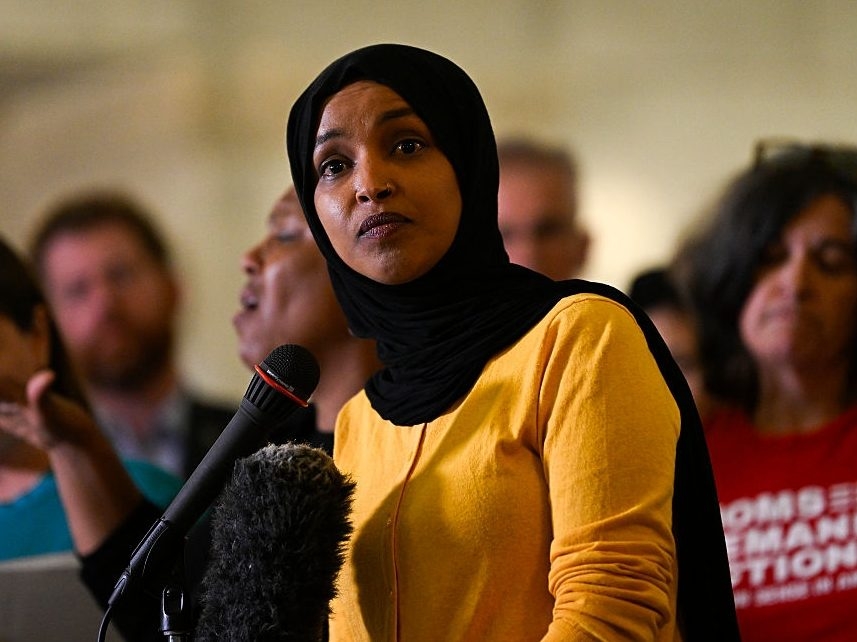
The scheme thrived, in part, due to a bill co-signed by a prominent congresswoman that relaxed requirements for school meal programs during the pandemic. While the congresswoman maintains her innocence, the sheer scale of the fraud raised questions about oversight and accountability.

Bock insists the blame extends beyond her, pointing fingers at Minnesota officials who, she claims, approved the rapid expansion of Feeding Our Future’s meal claims from $3.4 million in 2019 to nearly $200 million in 2021. She portrays herself as a victim of circumstance, lamenting her current predicament.
The brazenness of the operation extended to attempts to obstruct investigations. Reports suggest Bock used intimidation tactics and legal maneuvers to thwart state investigators attempting to scrutinize the organization’s finances. This ultimately triggered a crackdown initiated by the federal government.
Despite comparisons to organized crime, Bock vehemently denies being the mastermind. She maintains her innocence, stating she would have accepted a plea deal if she were truly guilty, and downplays the value of the items seized during an FBI raid on her home – “minimal jewelry,” she claims, just a few pairs of earrings and a watch.

To date, 57 individuals have been convicted and 78 charged in connection with the scandal. Strikingly, all but one of those implicated – Aimee Bock herself – are of Somali or East African descent, raising concerns about potential biases in the investigation and prosecution.
The Department of Justice has managed to recover approximately $75 million of the stolen funds, but a significant portion – over $175 million – remains unaccounted for. Bock is scheduled to be sentenced, but a date has yet to be determined, leaving a trail of unanswered questions and a community grappling with the fallout of this massive betrayal.
Her lawyer argues that Minnesota officials were deliberately lax in their oversight, prioritizing the provision of food to a key political demographic over preventing widespread fraud. The case serves as a stark reminder of the vulnerabilities within systems designed to help those in need, and the devastating consequences when trust is broken.