Former President Trump recently proposed a provocative idea: testing the strength of the NATO alliance by deliberately invoking its collective defense clause, Article 5. He suggested the U.S. could have framed the situation at the southern border as an attack warranting NATO’s intervention.
The core of his argument centered on freeing up Border Patrol agents. Trump posited that if NATO forces were deployed to secure the border against illegal immigration, it would allow American agents to focus on other critical tasks. This unconventional approach sparked immediate debate about the intended purpose and potential ramifications of such a move.
This suggestion follows a pattern of questioning NATO’s reciprocal commitment to the United States. Earlier this month, Trump expressed a willingness to support NATO, but with a clear caveat: “We will always be there for NATO, even if they won’t be there for us.” This sentiment underscores a long-held belief that the alliance isn’t a two-way street.
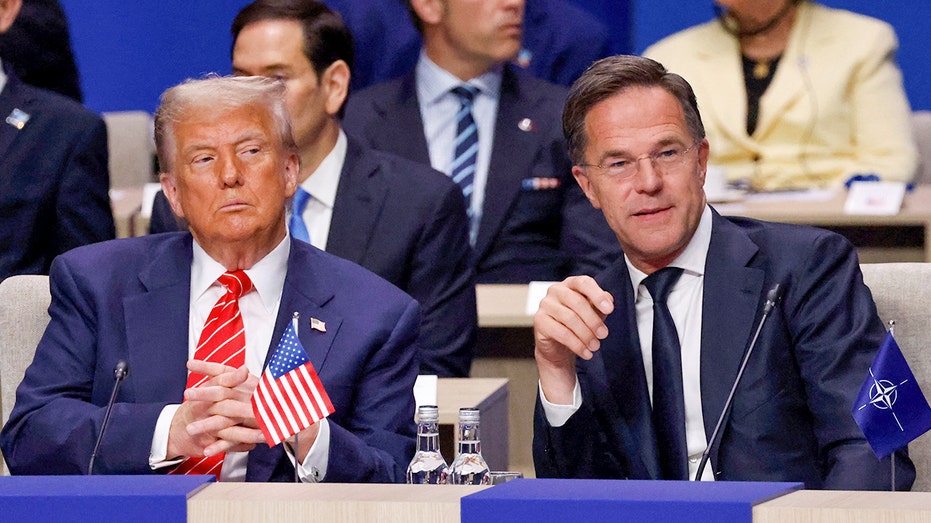
During a meeting at the World Economic Forum in Switzerland with NATO Secretary General Mark Rutte, Trump revealed progress toward a potential agreement concerning Greenland. He characterized the prospective deal as a significant win for both the U.S. and all NATO nations.
The Greenland discussion was directly linked to a previously threatened tariff plan. Trump had intended to impose a 10% tariff on goods from NATO members who had deployed troops to Greenland, a move he ultimately decided to abandon following his conversation with Rutte. This illustrates a willingness to use economic leverage in international negotiations.
Rutte, in a recent interview, acknowledged Trump’s foresight regarding security concerns in the Arctic. He highlighted the growing potential for threats from Russia and China in the region, validating Trump’s emphasis on bolstering defenses in that area.
A key point of agreement between Trump and Rutte revolves around defense spending. Rutte credited Trump with galvanizing European and Canadian nations to increase their contributions to NATO’s defense budget, moving from a target of 2% of GDP to 5%. This shift represents a substantial increase in collective security investment.
The proposed increase in defense spending aims to modernize infrastructure and enhance overall national security. This commitment reflects a shared understanding of evolving global threats and the need for a stronger, more prepared alliance.