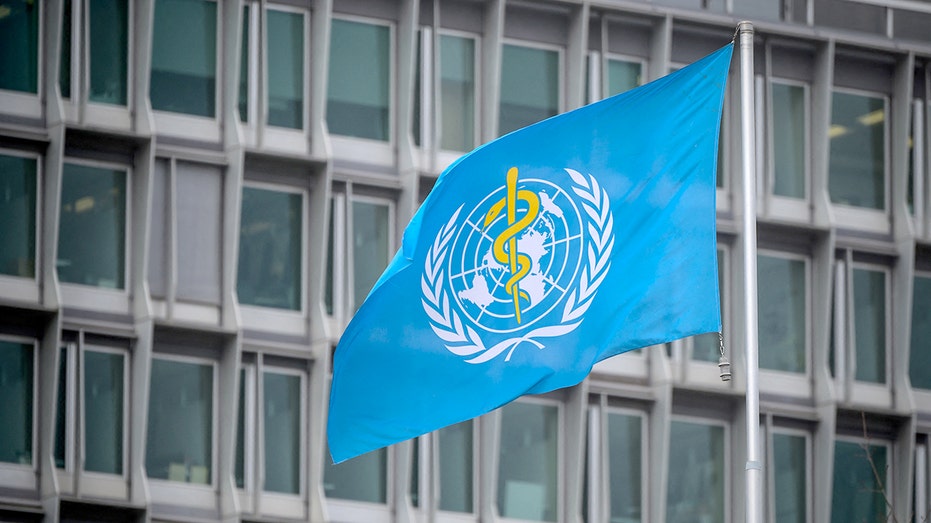
A stark warning echoed across the globe this weekend as the World Health Organization declared that the United States’ departure will undeniably diminish global safety. The agency expressed deep regret over the decision, framing it as a setback for both American citizens and international health security.
The withdrawal, finalized earlier this week, stems from a directive initiated during the beginning of the current administration. A signed executive order set the stage for severing ties with the organization, a promise made early in the term.
Officials stated the move was necessary to liberate the nation from perceived constraints and to prioritize American interests. They alleged the WHO had become overly politicized, influenced by nations with agendas contrary to U.S. objectives.
The decision immediately halted all funding and personnel contributions to WHO initiatives. The stated intention is to limit future engagement solely to the logistical process of withdrawal and the protection of American citizens.
The WHO vehemently refuted accusations of bias, asserting its commitment to impartiality and service to all member states. As a specialized agency of the United Nations, it maintains its role is to uphold health standards globally, respecting the sovereignty of each nation.
The agency expressed hope for a future return of the United States to active participation, emphasizing the critical role American involvement plays in global health efforts. The implications of this separation are far-reaching, potentially impacting international responses to emerging health crises.
This move marks a significant shift in global health policy, raising questions about the future of international collaboration and the potential consequences for pandemic preparedness and disease control worldwide.