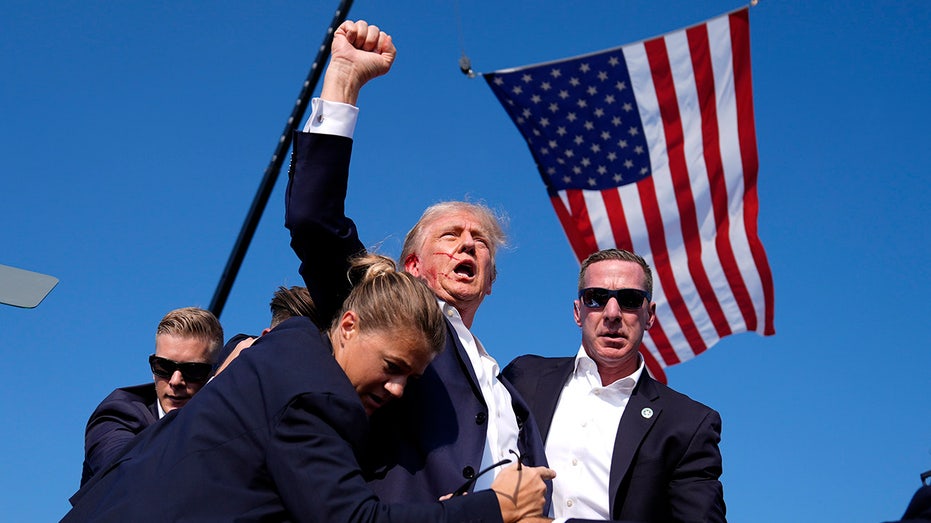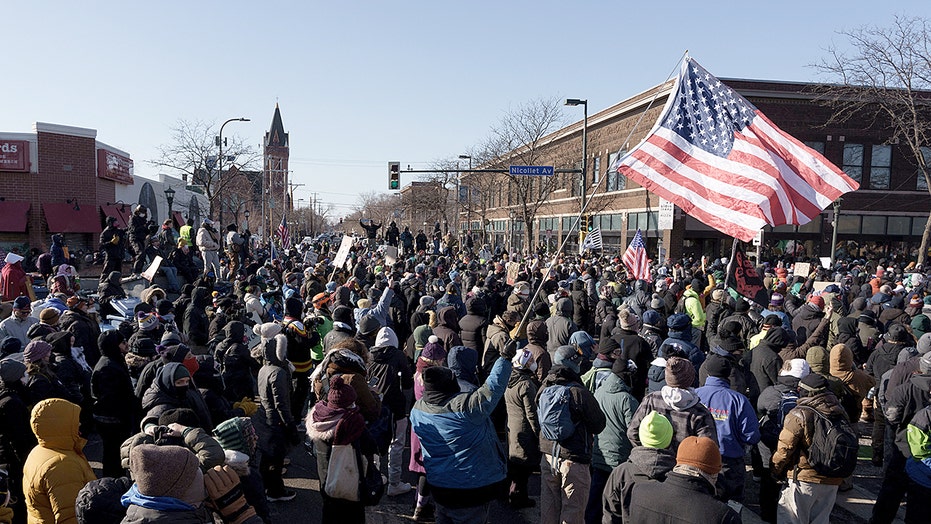
A chilling current runs through American politics, a surge of targeted attacks escalating beyond rhetoric and into real danger. The case of Alex Pretti, a figure recently caught in the crosshairs, serves as a stark warning – a network with extreme leanings seemingly contributed to the circumstances that placed him at risk, then exploited the aftermath to elevate him to a symbol.
The fallout from a fatal shooting in Minneapolis is now under direct federal scrutiny, confirmed by former President Trump. The incident, involving a nurse and border patrol agents, has ignited a firestorm of controversy and demands for accountability, raising critical questions about use of force and the role of federal agencies.
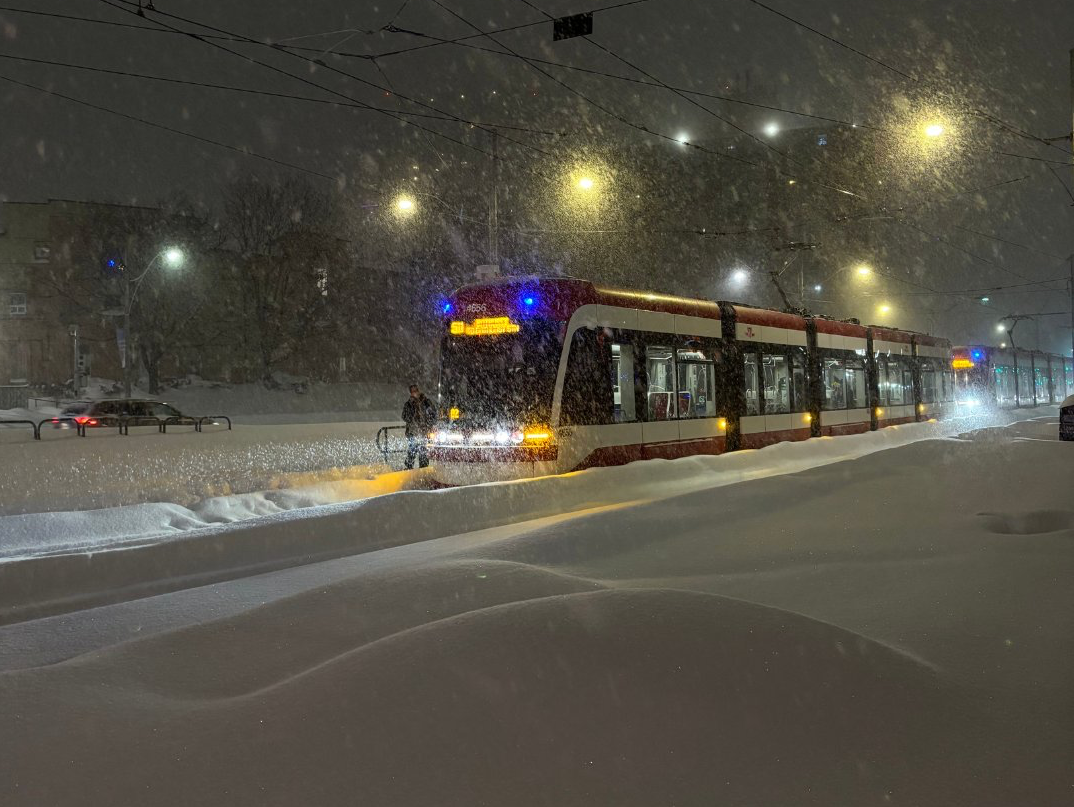
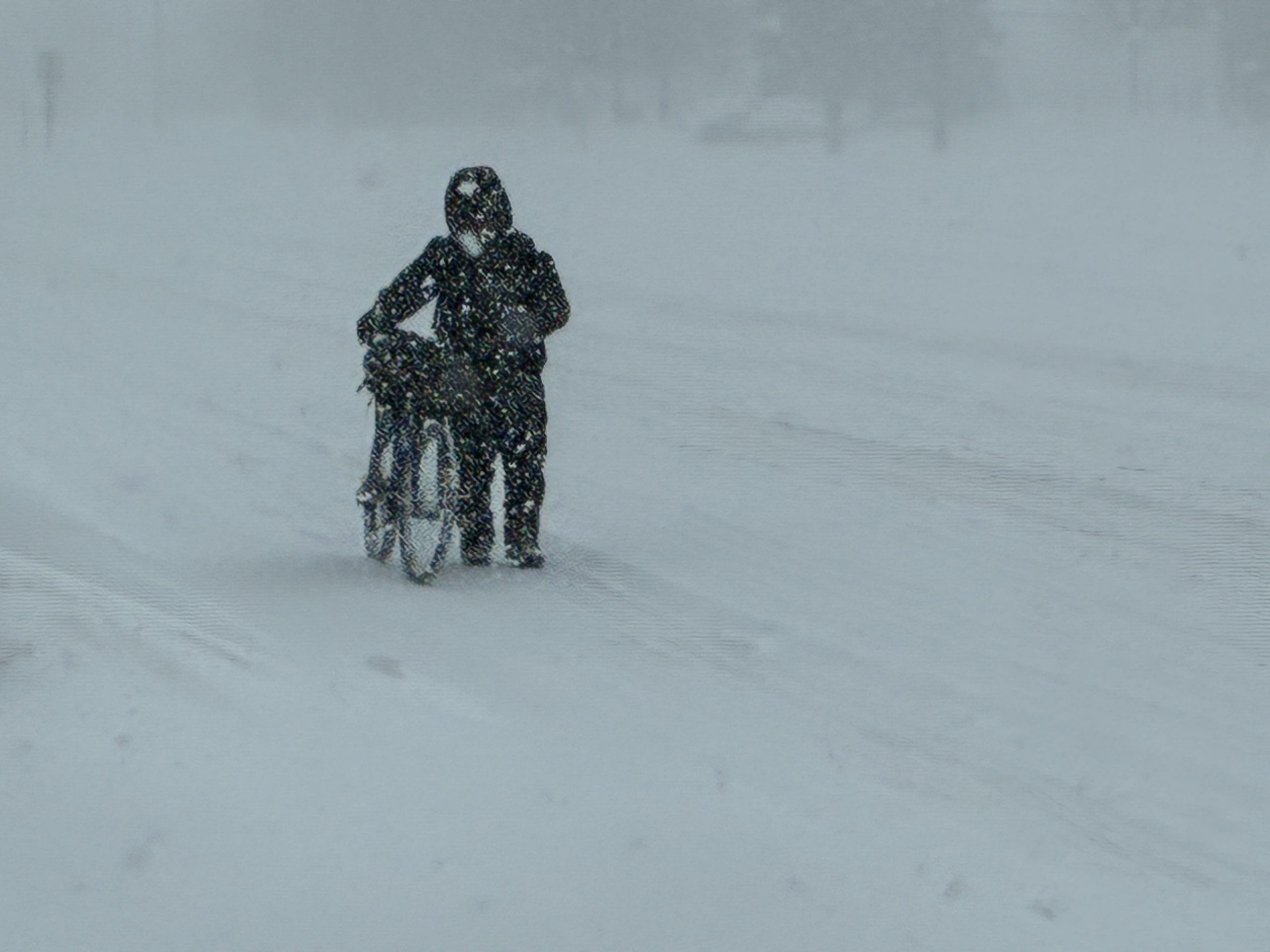
Across the nation, a brutal winter storm is unleashing its fury, paralyzing communities with catastrophic ice and record-breaking snowfall. The sheer scale of the weather event is overwhelming infrastructure, leaving millions vulnerable and highlighting the fragility of everyday life in the face of nature’s power.
This wave of political violence isn’t confined to one side; it’s a disturbing trend impacting individuals across the spectrum. From threats to physical assaults, the increasing polarization is manifesting in dangerous and unpredictable ways, eroding the foundations of civil discourse.
Deep within caves, a remarkable discovery is rewriting the timeline of human cognition. Ancient handprints, predating previously accepted milestones, suggest our ancestors were capable of symbolic thought far earlier than scientists believed, offering a profound glimpse into the dawn of consciousness.
The Minneapolis shooting continues to reverberate through Washington, with Representative James Comer demanding answers and transparency regarding the involvement of Customs and Border Protection. The situation is rapidly evolving, promising further revelations and potentially significant policy implications.
Senator Marsha Blackburn has voiced a scathing critique of the Democratic party, attributing their opposition to former President Trump to what she terms “Trump Derangement Syndrome.” This inflammatory rhetoric underscores the deep divisions that continue to plague the political landscape.
Beyond the immediate crises, a transformative force is gaining momentum: artificial intelligence. Experts are beginning to explore its potential as a powerful economic engine, envisioning a future where AI drives innovation and prosperity, though careful consideration of its implications is paramount.