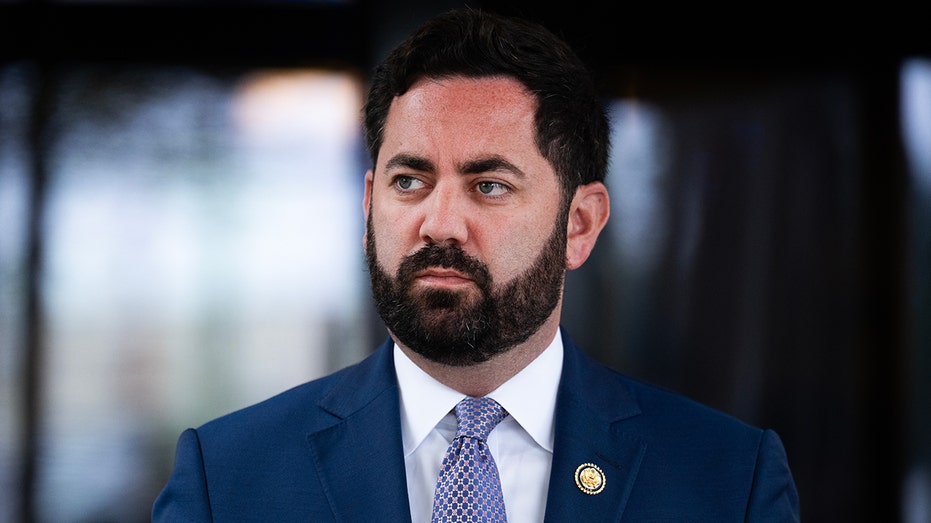
A fierce battle is erupting across the nation, threatening the very foundation of fair elections. Congressman Mike Lawler is responding with a bold proposal to halt what he calls a dangerous surge in “partisan gamesmanship” – the redrawing of congressional districts for political advantage.
Lawler has introduced the FAIR MAP Act, a sweeping bill designed to impose national standards on the contentious process of redistricting. Currently, the rules vary wildly from state to state, leaving the door open for manipulation and accusations of gerrymandering.
The core of the bill aims to prevent states from deliberately crafting districts to favor one party or candidate. It also seeks to limit map revisions to once per decade, following the U.S. census – effectively outlawing mid-term power grabs.
The stakes are particularly high in states like Virginia and Maryland, where Democratic legislatures are considering redrawing district lines before the 2026 midterm elections. This move follows a recent New York court ruling that deemed a Republican-held district unconstitutional, potentially shifting the balance of power.
Lawler vehemently condemned the actions in his home state, labeling the efforts of Governor Kathy Hochul and House Minority Leader Hakeem Jeffries as a “blatant power grab.” He argues that such maneuvers erode public trust in the electoral process.
The current wave of redistricting battles began last year in Texas, where a Republican-led legislature approved a map projected to give the GOP up to five additional seats in the House. While redistricting is traditionally tied to census data, the lack of a federal standard has created a volatile landscape.
Beyond simply banning mid-decade redistricting and establishing a federal gerrymandering standard, the FAIR MAP Act delves into the specifics of population counts and dispute resolution. It proposes significant changes to how districts are defined and challenges are addressed.
A key provision would shift legal battles over redistricting from state to federal courts, ensuring a more consistent and potentially less politically influenced review process. The bill also mandates that only U.S. citizens be counted when determining state populations for redistricting purposes.
This latter point could significantly impact areas with large populations of undocumented immigrants, potentially reducing the political influence of “sanctuary jurisdictions.” The legislation doesn’t stop at redistricting, also including provisions related to voting procedures.
The FAIR MAP Act would also prohibit ranked-choice voting in federal elections, require photo identification for voting, and eliminate same-day voter registration. These measures are intended to bolster election security and ensure the integrity of the voting process.
Lawler previously voiced strong opposition to redistricting wars last summer, when Texas and California were locked in a similar standoff. However, the bill faces an uphill battle in Congress, as House GOP leaders have historically maintained that redistricting is a matter for individual states.
“Voting rights and equal representation only work if the system itself is fair, transparent, and trusted,” Lawler stated. “My FAIR MAP Act puts clear guardrails around congressional redistricting, ends mid-decade political map rigging, and ensures that federal elections reflect the voices of lawful voters, not partisan gamesmanship.”
Lawler believes every voter deserves confidence in the fairness of the system and that their voice truly matters. The FAIR MAP Act represents a determined effort to restore that confidence and safeguard the integrity of American elections.