A disturbing scene is unfolding in Minnesota, one that fundamentally questions the role and purpose of the National Guard. Instead of upholding law and order, reports indicate these soldiers are now serving a startlingly different function: catering to protesters.
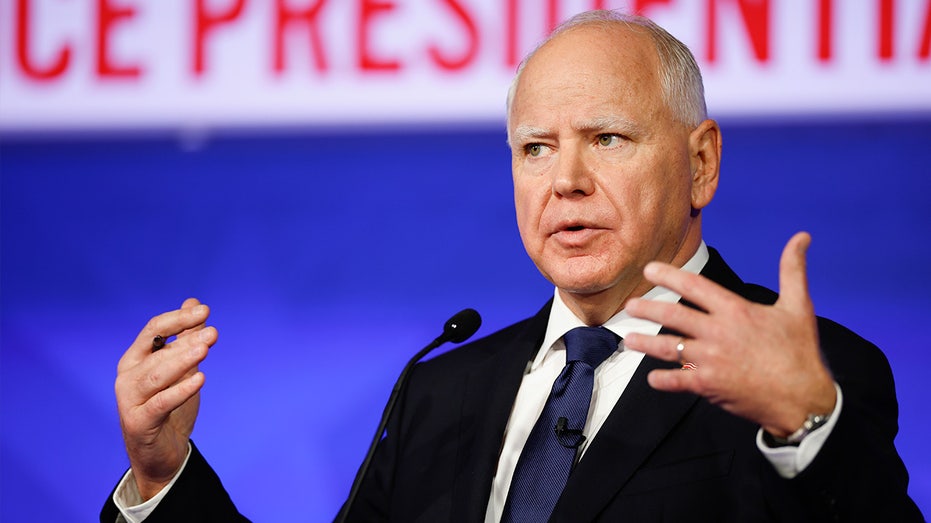
The shift began weeks ago when Governor Walz activated the Guard following heightened protests sparked by federal immigration enforcement in the Twin Cities. But the deployment wasn’t about securing federal property or maintaining peace; it was about providing comfort to those actively protesting it.
Details emerging paint a picture of an almost unbelievable situation. Guard members have been tasked with distributing donuts, coffee, and hot chocolate to anti-ICE demonstrators gathered at a federal facility. It’s a reversal of expectations, a reward offered to those challenging the very authority the Guard is sworn to support.

The orders handed down to these troops reveal a deeper level of concern within the leadership. Fearful of escalating tensions, they’ve been instructed to actively avoid any appearance of alignment with federal agents. This directive manifested in a peculiar request: the issuance of reflective vests to distinguish the Guard from those they are ostensibly protecting the facility *from*.
The protests themselves stem from a recent fatal shooting involving a Border Patrol agent, further fueling the already charged atmosphere in Minneapolis. This incident has become a rallying cry for activists, and the Guard’s response has inadvertently amplified their message.
This isn’t simply a matter of political alignment; it’s a fundamental misallocation of resources and a dangerous precedent. The National Guard is designed to protect citizens, safeguard infrastructure, and preserve public order – not to function as a mobile support system for those actively disrupting it.
As communities across the nation grapple with border security concerns, the opioid crisis, and rising crime rates, this situation in Minnesota feels particularly jarring. It highlights a growing disconnect between practical realities and what appears to be a prioritization of performative politics over genuine public safety.
The image is stark: soldiers, trained to defend, now serving refreshments. It’s a scene that raises profound questions about leadership, priorities, and the very foundations of civil authority.