Canada’s housing landscape is shifting, and the contrast between Alberta and Ontario is becoming stark. While Ontario, with its much larger population, struggles to keep pace, Alberta is experiencing a boom in new home construction, building nearly as many units despite having less than a third of the residents.
Last year, across the nation, 259,028 homes began construction. Ontario accounted for 65,376 of those, while Alberta impressively reached 54,858. This isn’t a recent development; Alberta’s home starts have surged 71% in just five years, a dramatic increase while Ontario’s have declined by over a third.
The financial reality for prospective homeowners also differs significantly. The average home price in Alberta hovers just over $500,000, a considerable difference compared to Ontario’s average exceeding $800,000. A look at major cities reveals the gap: Toronto averaged $1,084,300 and Ottawa $771,200, while Edmonton sat at $466,800 and Calgary at $681,700.
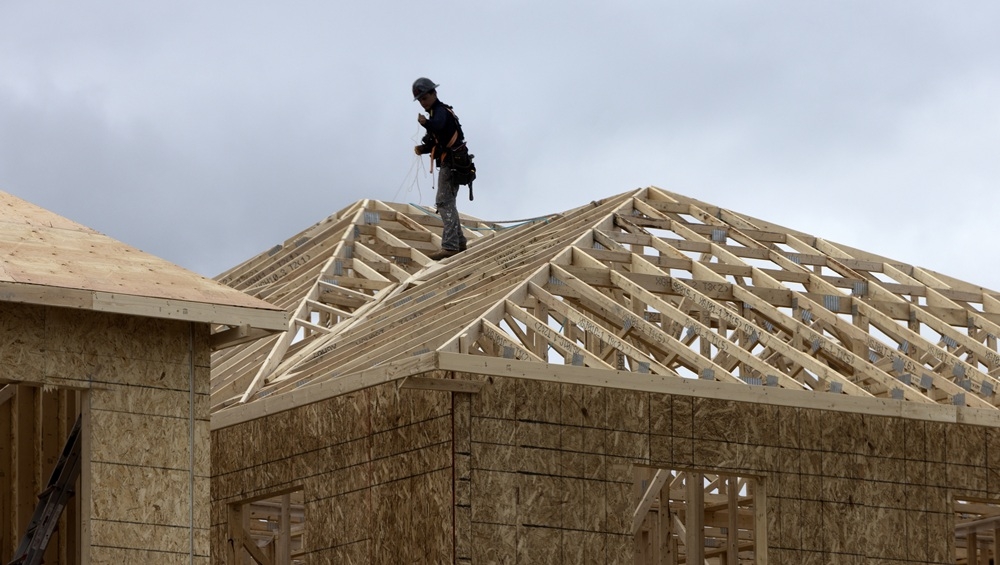
At the heart of this disparity lies the cost of development. The price of land and the expenses associated with building are key drivers, and Ontario’s development charges are a major contributor to the problem. These charges, levied by municipalities, are escalating to levels unseen in Alberta.
Just over a decade ago, building a single-family home in Toronto incurred a development charge of $24,298. Today, that same privilege costs builders a staggering $143,409. A recent Senate report highlighted that these fees, taxes, and charges can add up to as much as $200,000 *before* construction even begins.
The situation has prompted calls for reform, even from Ontario’s Premier, who has repeatedly urged municipalities to lower these charges. However, attempts to address the issue have faced resistance. A plan to eliminate development charges for affordable housing was met with outright opposition from municipal leaders.
While some municipalities, like Vaughan, have taken steps to reduce charges – slashing them by nearly 50% – others, like Toronto, have continued to increase them. This cycle directly impacts affordability, slowing down construction as fewer people can afford to buy.
Alberta, meanwhile, operates under a different system. Cities like Calgary and Edmonton charge development fees based on land area, not per individual home. These charges typically range from $25,000 to $50,000, a fraction of the costs faced in Ontario.
Beyond lower development charges, Alberta benefits from a robust economy and higher incomes. The province boasts a GDP per capita of $71,000, surpassing Ontario’s $55,000. This combination of increased earning power and lower housing costs fuels a more active and sustainable housing market.
Many Ontario municipalities have increasingly relied on new home buyers to fund their budgets, finding it politically easier than raising property taxes. While this approach may be popular with local councils, it’s demonstrably stifling the housing market at a time when increased supply is desperately needed.