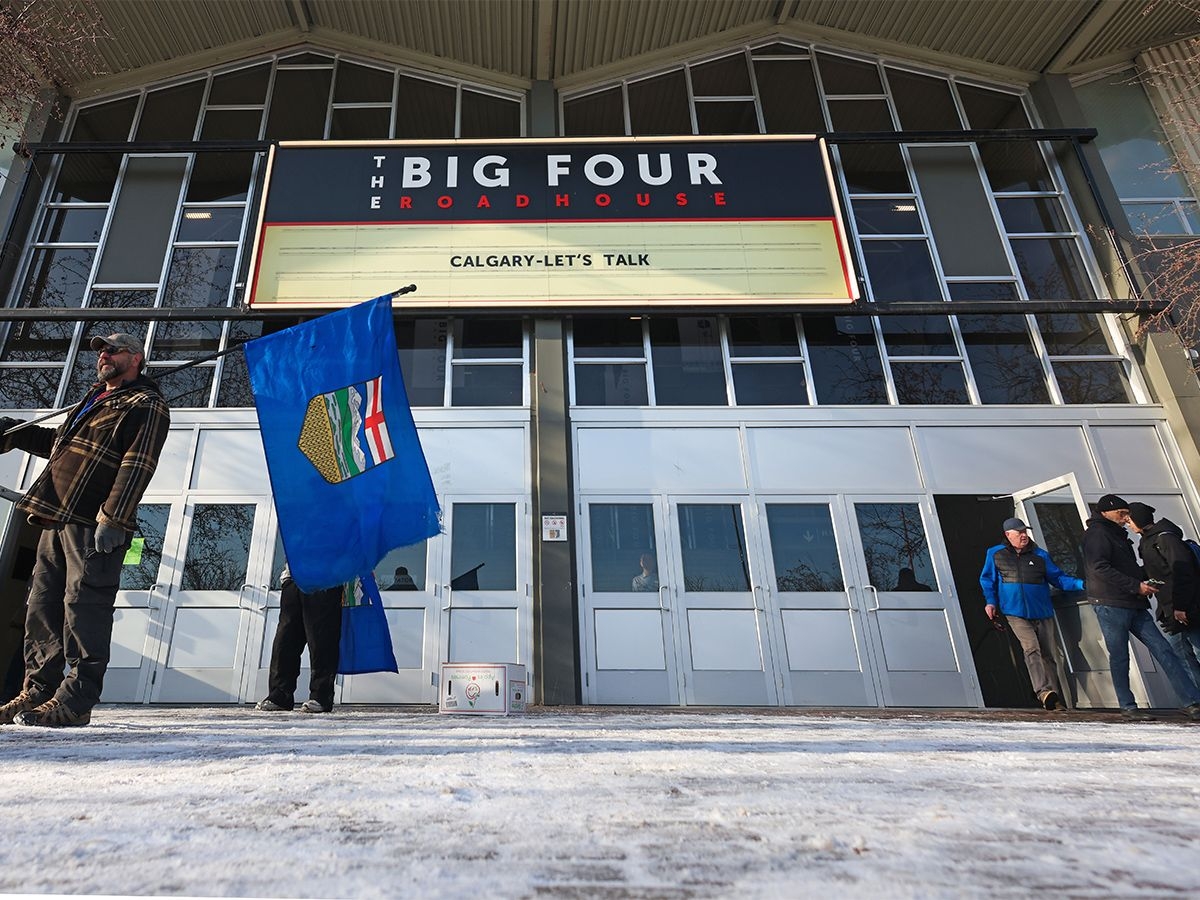
A line snaked around the Big Four Building in Calgary on Monday, a visible manifestation of a long-simmering discontent. Hundreds arrived, eager to add their names to a petition that could trigger a provincial vote on a radical idea: Alberta separating from Canada. The energy was palpable, a mix of hope and frustration fueling the movement.
But the initial surge quickly subsided. The long queue dissipated as signatures were collected, leaving behind a quiet undercurrent of doubt and debate. The question wasn’t simply about leaving Canada, but about what lay beyond – a leap into the unknown with potentially profound consequences.
Naheed Nenshi, the NDP leader, issued a stark warning, invoking the recent experience of Brexit. He urged Albertans to consider the ramifications with unwavering seriousness, recalling how many voters regretted their choice the day after the referendum, realizing the full weight of their decision.
For Joseph Costache, standing in line represented a desperate plea for affordability. He spoke of a generation trapped, unable to afford homes, forced to live with their parents well into adulthood. He believed separation offered a path to reclaiming Alberta’s wealth, currently flowing to Ottawa through taxes and equalization payments.
“We wouldn’t have to pay the government all these equalization payments that go to Quebec,” Costache stated, his voice laced with resentment. “They’re like parasites.” He envisioned a future with significantly lower taxes, a stark contrast to the heavy burden he currently carries – $150,000 annually in income tax alone, with little to show for it in terms of healthcare or a thriving oil and gas industry.
The narrative of economic hardship resonated with others. Phillip Goldsney saw the petition as a powerful tool for direct democracy, a chance to finally have Alberta’s voice heard. He felt the province had been consistently shortchanged within Confederation, with billions of dollars flowing eastward and restrictions placed on accessing vital markets for its resources.
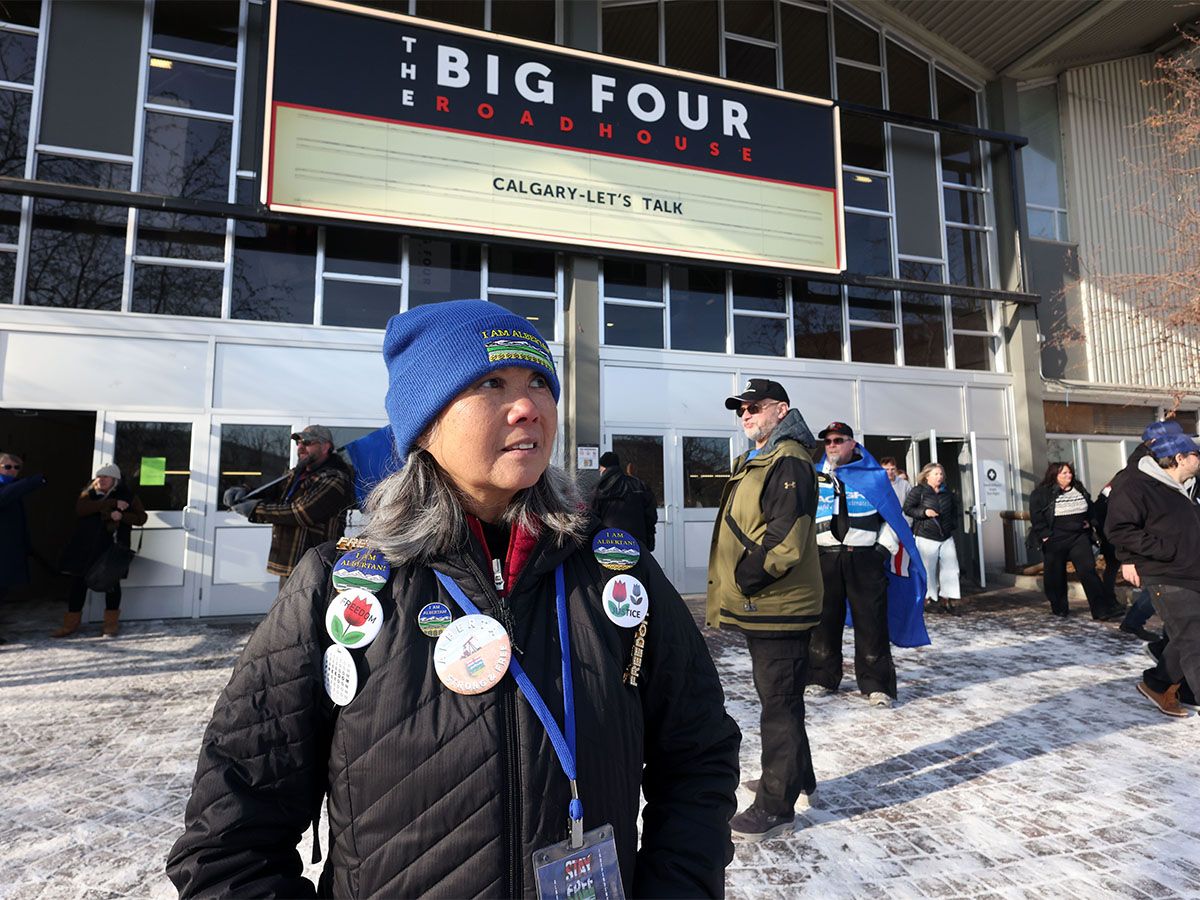
Goldsney pointed to the federal tanker ban off the British Columbia coast as a prime example of Ottawa hindering Alberta’s economic potential. He believed a plebiscite – a direct vote by the people – would provide the leverage needed to negotiate a better deal, a future where Alberta controlled its own destiny.
The Alberta Prosperity Project, spearheading the separation effort, painted a tantalizing picture of a tax-free Alberta. Their lawyer, Jeffrey Rath, suggested the province could thrive without income tax, contrasting it sharply with the tax burdens of other nations. He even alluded to discussions with U.S. officials who, he claimed, desired a “free and independent Alberta” to unlock its oil resources from perceived Chinese influence.
Premier Danielle Smith attempted to navigate the treacherous political landscape, maintaining she sought a “sovereign Alberta within a united Canada.” She defended the petition as a legitimate exercise of democratic rights, framing it as a step towards forging a new, more equitable relationship with the federal government.
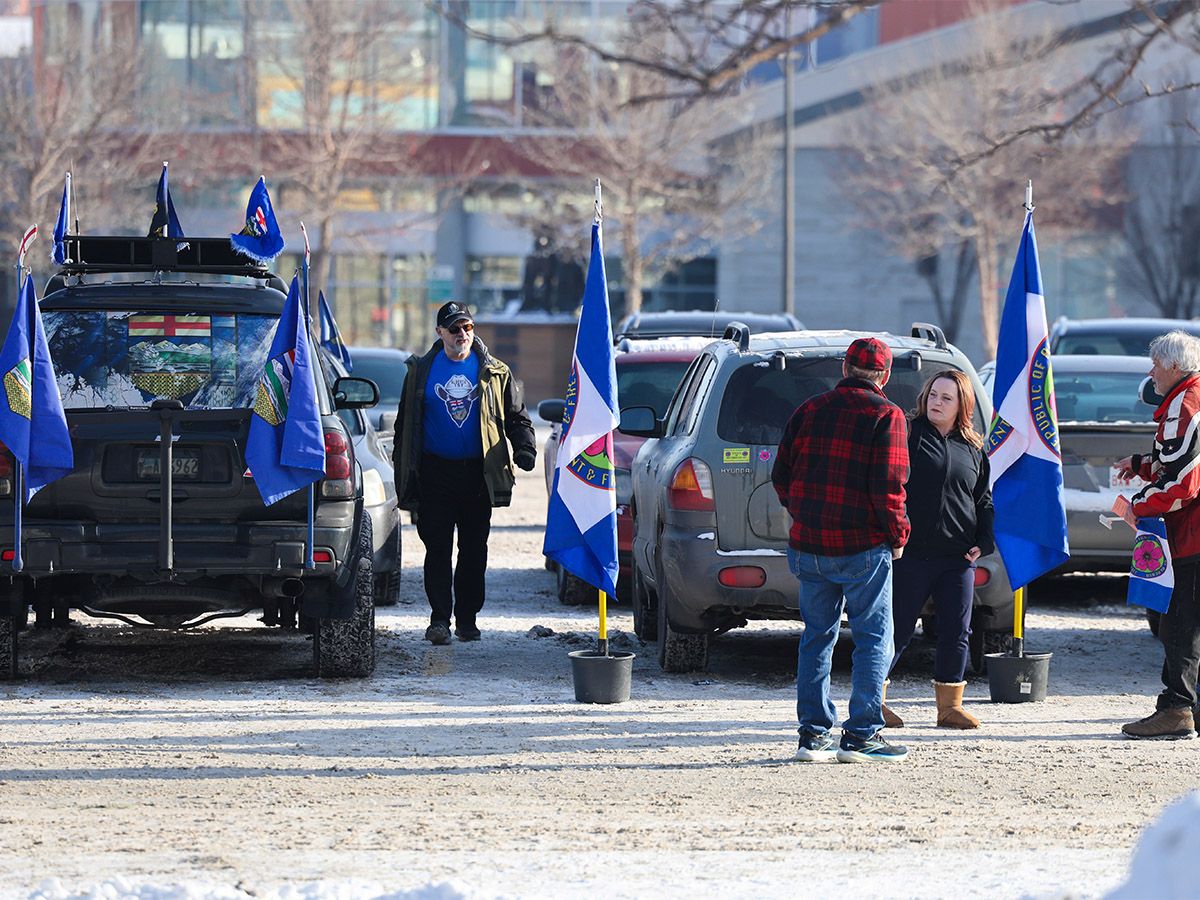
However, Nenshi dismissed Smith’s position as disingenuous, accusing her of “playing both sides.” He argued she was attempting to appease separatists while simultaneously reassuring the majority of Albertans who remained committed to Canada, ultimately risking alienating both groups.
The day in Calgary wasn’t just about signatures on a petition; it was a raw and honest expression of frustration, hope, and a deep-seated desire for change. It was a moment where Albertans were forced to confront a fundamental question: what does it truly mean to belong, and what price are they willing to pay for a different future?