Surrey is facing a shadow, a creeping menace of extortion that has escalated into a full-blown crisis. The city is now urgently appealing to the federal government for intervention, demanding a declaration of emergency to combat a wave of shootings, threats, and intimidation that threatens to overwhelm local resources.
Mayor Brenda Locke delivered a stark warning, asserting that the scale of the problem has surpassed the ability of municipal authorities and traditional policing methods to contain it. She introduced a motion calling for immediate federal action, emphasizing the critical need for a swift and decisive response to protect residents and businesses.
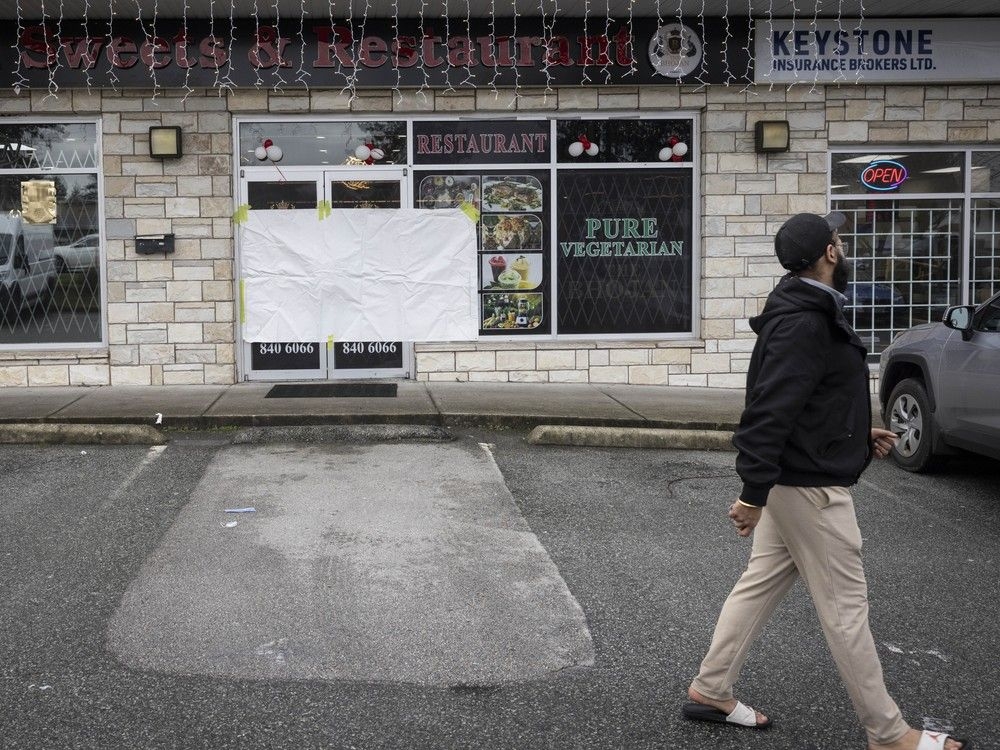
The numbers paint a chilling picture. Last year alone, Surrey Police Service recorded 132 extortion attempts, nearly half of which – 49 – involved gunfire. This year, the violence continues with 36 reported cases and eight shootings already recorded, demonstrating a relentless and escalating pattern of criminal activity.
Locke’s request isn’t simply for more police presence. She’s calling for the appointment of a dedicated extortion commissioner, someone with the authority to deploy specialized RCMP federal organized crime units and bolster intelligence gathering in the city. The motion also seeks expedited deportation proceedings for non-Canadians involved in these crimes.
Beyond immediate enforcement, the city is demanding expanded powers to detain and deny entry to individuals linked to extortion and violence, utilizing the Immigration and Refugee Protection Act to its fullest extent. Regular, quarterly updates to the Canadian public are also requested, ensuring transparency and accountability.
The motion received unanimous support from Surrey’s city council, a testament to the gravity of the situation. Councillor Harry Bains underscored the need for collaborative action, stating that solving this crisis requires cooperation between all levels of government, not blame.

This plea for federal assistance comes after a controversial statement from the RCMP, where a senior officer described the situation as a “threat to public safety” but stopped short of calling it a “crisis.” This assessment drew sharp criticism from both municipal leaders and the provincial Premier, who argued it eroded public trust.
While acknowledging the RCMP’s initial response, Locke praised the strong leadership of B.C.’s Public Safety Minister, Nina Krieger, and the province’s commitment to providing resources, including dedicated prosecution teams and expedited charge approval processes. However, she maintains that more is needed.
Locke’s motion concludes with a powerful call to action: “Extraordinary circumstances require extraordinary visible and coordinated action at all levels of government to restore public confidence and disrupt organized criminal activity.” The fate of Surrey, and perhaps the precedent for dealing with similar crises elsewhere, now rests with Ottawa’s response.