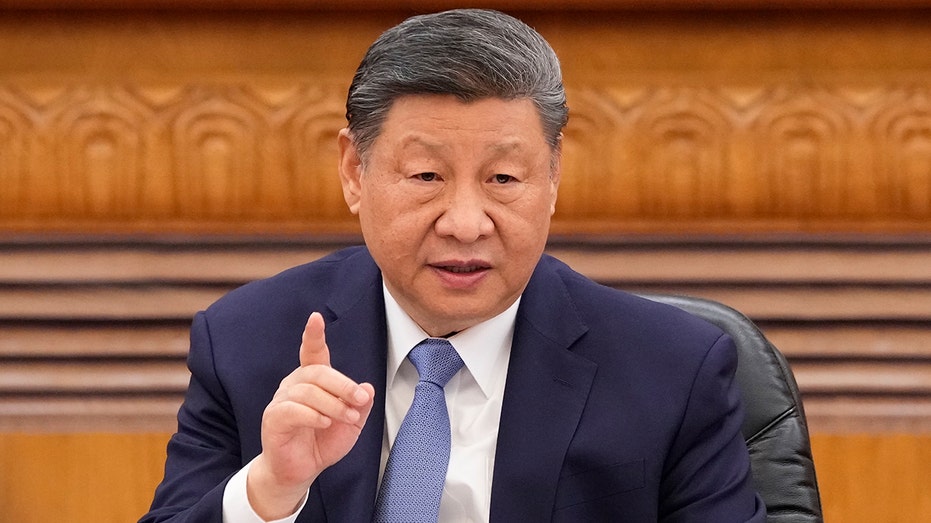
A sharp rebuke echoed across the Pacific as China publicly denounced escalating U.S. pressure on Cuba, framing Washington’s actions as a blatant disregard for international law. The condemnation arrived swiftly, demanding an immediate end to sanctions and the decades-old embargo strangling the island nation’s economy.
Beijing’s statement, released through the Ministry of Foreign Affairs, didn’t mince words, accusing the U.S. of actively depriving the Cuban people of fundamental rights to survival and progress. It further warned that these actions were deliberately destabilizing the region and undermining the established global order.
This isn’t an isolated incident. China has consistently positioned itself as a defender of nations it perceives as facing external threats, a pattern clearly visible in its unwavering support for Cuba and Venezuela. This stance reflects a broader challenge to U.S. influence and a commitment to a multipolar world.
The current crisis stems from a recent escalation involving Venezuela, specifically the detention of President Nicolás Maduro. This action dramatically curtailed Cuba’s access to vital Venezuelan oil supplies, triggering a wave of anger and economic hardship in Havana.
Former President Trump seized on this opportunity, declaring an end to Cuba’s access to Venezuelan oil and financial support – effectively severing a crucial economic lifeline that had sustained the country for years. The move signaled a dramatic hardening of U.S. policy towards the communist nation.
Despite the pressure, Cuban President Miguel Díaz-Canel has resolutely refused to engage in negotiations with Washington, even in the face of explicit threats. His defiance underscores a determination to resist what he views as coercive tactics and external interference.
Reports suggest the previous administration wasn’t simply aiming for policy changes, but actively seeking to engineer regime change in Cuba by the end of 2026. This involved a concerted effort to identify Cuban officials willing to collaborate in a transition of power.
The tightening of U.S. policy was formalized through a National Security Presidential Memorandum, reinforcing existing sanctions, expanding travel restrictions, and targeting financial transactions with entities linked to the Cuban military. The economic embargo, already severe, was further entrenched.
The situation remains volatile, with the potential for further escalation. While a formal naval blockade isn’t currently in place, U.S. officials have indicated it remains a possibility, adding another layer of tension to an already fraught relationship.