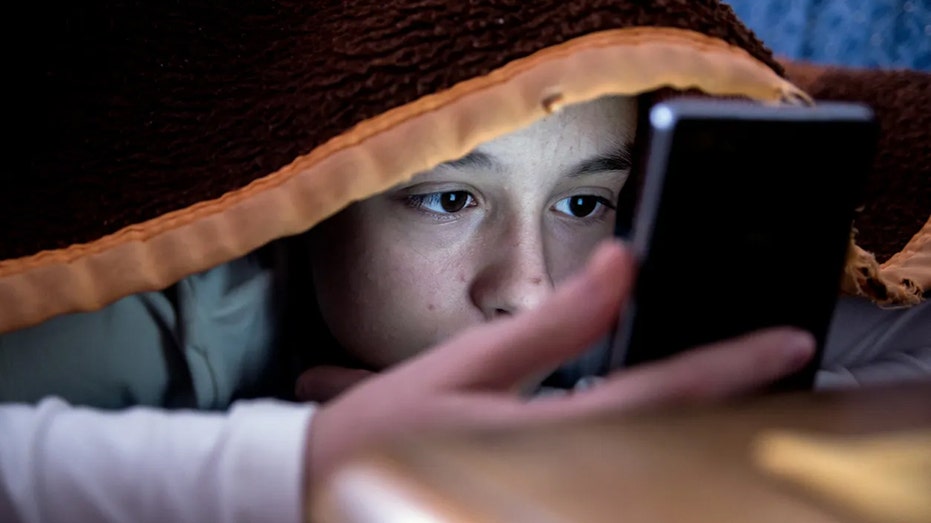
A decisive move is underway in France to shield its youngest citizens from the pervasive influence of social media. Lawmakers have overwhelmingly approved a bill prohibiting individuals under the age of fifteen from accessing these platforms, a measure framed as a critical defense of childhood development and mental wellbeing.
The legislation, passed late Monday with a significant majority, doesn’t stop there. It also includes a ban on mobile phone use within high schools, aiming to refocus attention on learning and in-person interaction. This dual approach signals a profound shift in how France views technology’s role in the lives of its youth.
“With this law, we are setting a clear boundary in society and saying social media is not harmless,” declared lawmaker Laure Miller, articulating the core principle driving the change. Concerns are mounting over the detrimental effects of constant connectivity on young minds, impacting reading habits, sleep patterns, and self-perception.
The urgency to enact this legislation is palpable, fueled by growing scientific consensus and public demand. President Macron has championed a fast-tracked process, hoping to implement the ban before the start of the new academic year in September. He views it as a necessary protection against exploitation.
Macron’s statement resonated with a powerful message: children’s cognitive development is not a commodity to be bought and sold. He argued that their aspirations should not be shaped by algorithms designed to maximize engagement, but rather nurtured through genuine experiences and independent thought.
France is not acting in isolation. This initiative joins a growing wave of concern across Europe, with the United Kingdom actively considering similar restrictions. The goal is to create a safer online environment for children, mitigating the risks of harmful content and excessive screen time.
Australia has already taken a pioneering step, implementing a nationwide ban on social media for those under sixteen. This bold move underscores a global recognition that traditional approaches to online safety are insufficient to protect vulnerable young users.
Statistics paint a stark picture of the current reality in France. The nation’s health watchdog reports that half of all teenagers dedicate between two and five hours daily to smartphone use. A recent study revealed that ninety percent of children aged twelve to seventeen access the internet via smartphones, with over half engaging with social media.
The consequences of this widespread usage are deeply troubling. Research increasingly links heavy social media consumption to diminished self-esteem and heightened exposure to dangerous content. This includes material promoting self-harm, drug use, and even suicidal ideation, creating a perilous landscape for developing minds.
This legislation represents more than just a restriction; it’s a deliberate attempt to reclaim childhood, to safeguard the mental and emotional wellbeing of a generation. It’s a recognition that the freedom to grow, learn, and dream shouldn’t be compromised by the relentless demands of the digital world.