A quiet crisis is unfolding in Ontario’s municipal governments. Across the province, fewer people are stepping forward to run for city council, and even fewer are casting ballots when election day arrives. The numbers paint a stark picture: a steady decline in candidates since 2010, plummeting from over 8,000 to just 6,325 in the last election.
This isn’t just a matter of statistics; it’s a worrying trend that threatens the very foundation of local democracy. The decline is visible everywhere – in bustling cities, quiet suburbs, and small towns alike. Worse still, uncontested victories, known as acclamations, are becoming increasingly common, with entire councils sometimes decided without a single vote being cast.
The Association of Municipalities of Ontario (AMO) is responding with a new initiative designed to reverse this course. They’re launching a series of free workshops, accessible via Zoom, aimed at both aspiring and returning councillors. These aren’t just campaign boot camps; they’re designed to demystify the entire process of municipal governance.
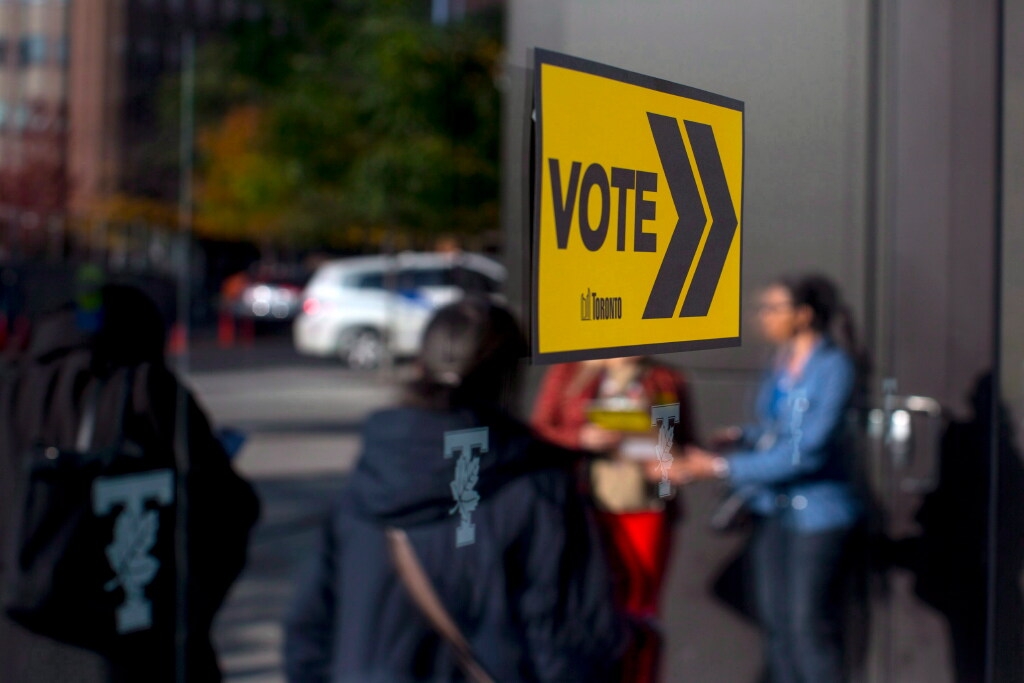
The program recognizes a crucial distinction: winning an election is different than effectively governing. AMO aims to equip potential candidates with the knowledge and skills needed for both, hoping to spark renewed interest in local politics and clarify the vital role municipal governments play in everyday life.
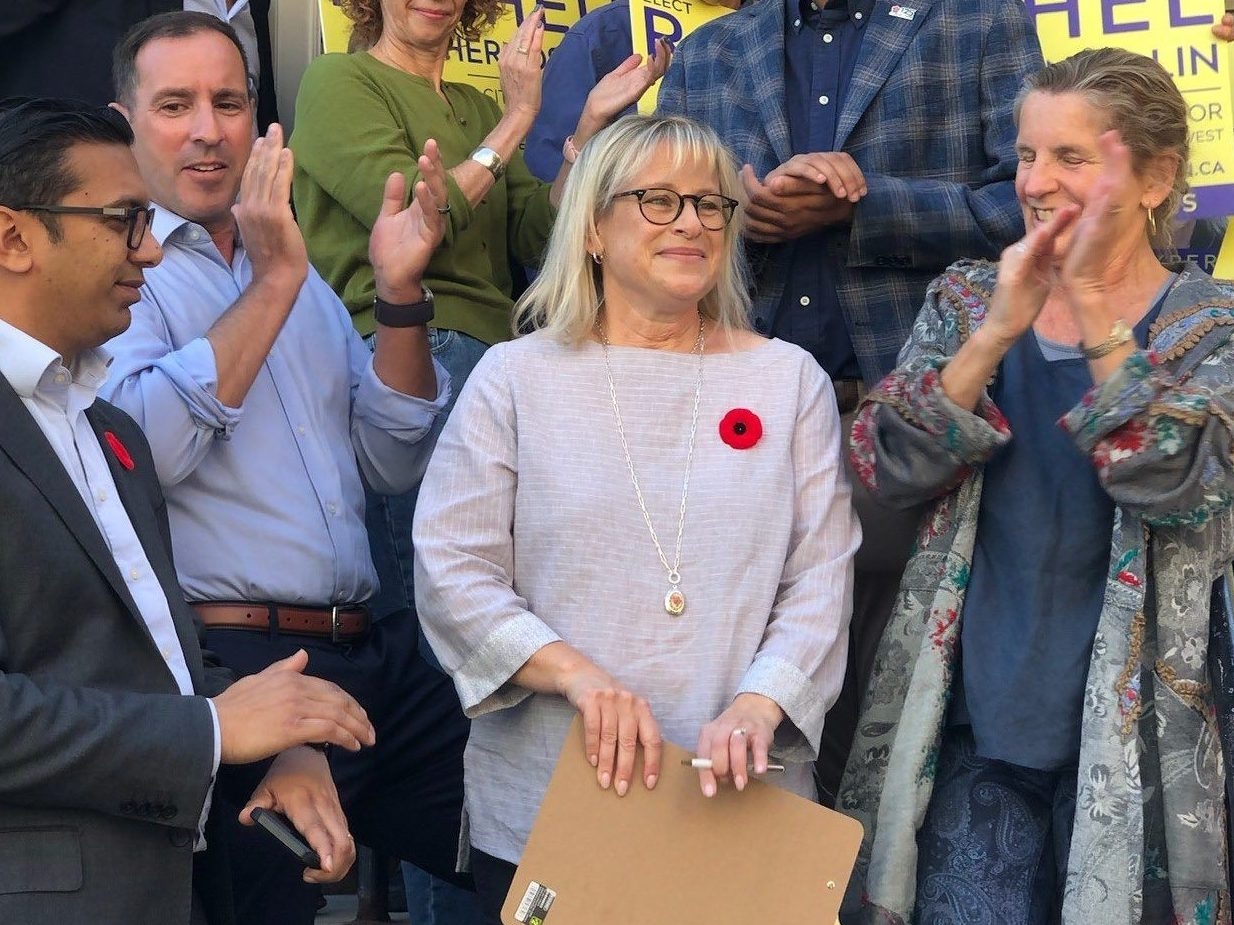
For newcomers, the prospect of running for office can be deeply intimidating. Rachel Chernos Lin, a recent Toronto city councillor elected in a byelection, recalls having no prior campaign experience when she first ran for school board trustee. She describes the leap to a council campaign as “much bigger,” emphasizing the challenges of voter mobilization.
Chernos Lin welcomes AMO’s proactive approach, offering a “road map” for first-time candidates. She believes these early workshops are crucial, encouraging those who might otherwise hesitate to consider public service. It’s about making the process less daunting and more accessible to everyone.
AMO’s efforts extend beyond simply attracting candidates. They are also preparing to release a guide focused on civility and combating harassment within councils, recognizing the importance of a respectful and inclusive environment for effective governance. This commitment to a healthier democratic process underscores the urgency of the situation.
The upcoming 2026 election cycle presents a critical opportunity to address these trends. With voter turnout dwindling and acclamations on the rise, the need for engaged citizens and informed candidates has never been greater. AMO’s initiative is a vital step towards revitalizing local democracy in Ontario.