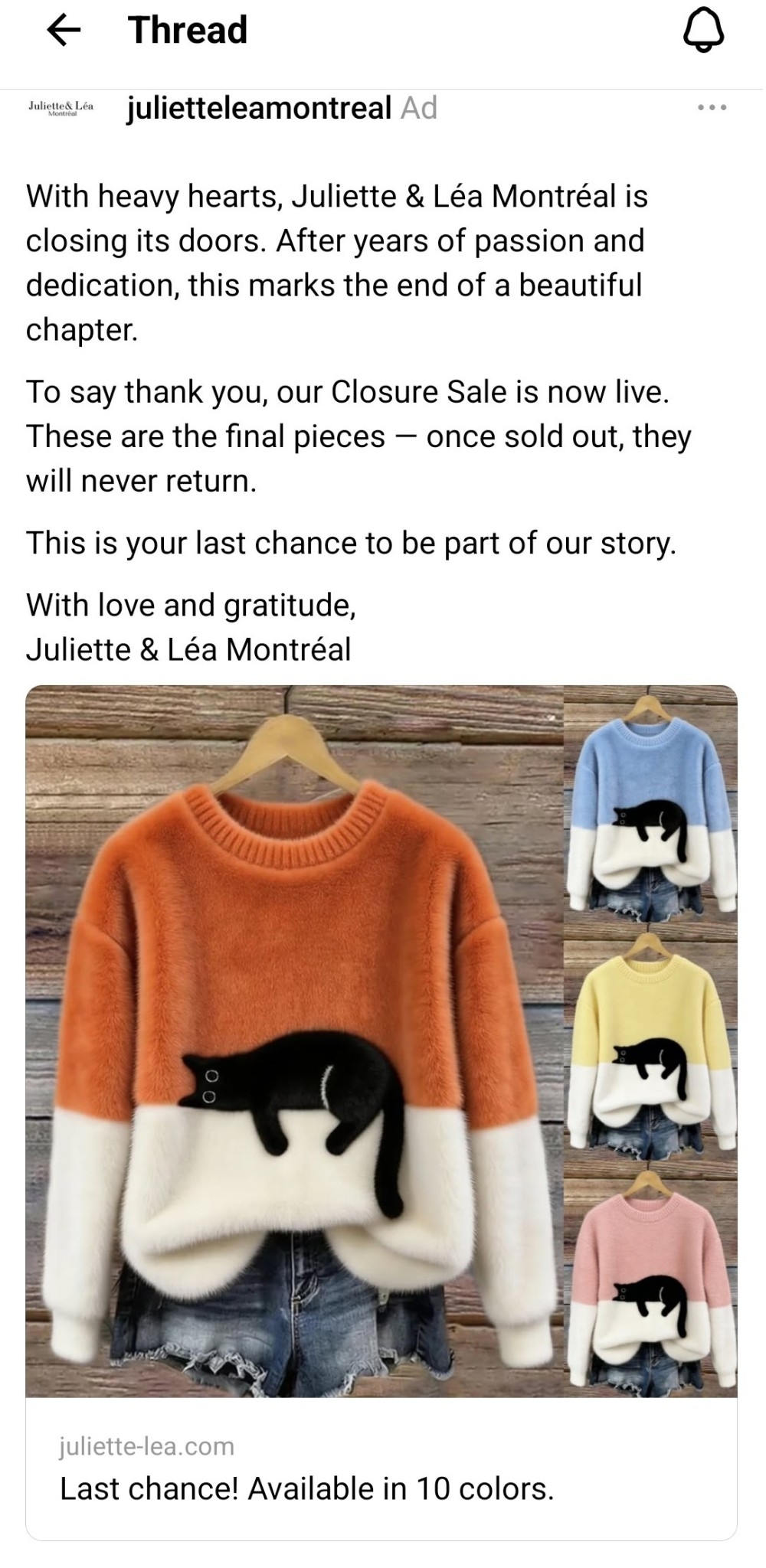
A seemingly innocent advertisement flickered across a social media feed – a Montreal boutique, “Juliette & Lea,” announcing its closure after fifteen years. The ad spoke of “heavy hearts” and a “beautiful chapter” coming to an end, accompanied by images of inviting sweaters and a sleek black cat.
A closure sale was immediately announced, offering discounts of up to 80% on a wide range of women’s clothing, shoes, and accessories. The message hinted at scarcity: “These are the final pieces – once sold out, they will never return.” It was a last chance to own a piece of their story, or so it seemed.
However, a closer look revealed unsettling inconsistencies. Despite selecting different sizes and colors, the number of items in stock remained stubbornly fixed. Confusingly, the site offered free shipping from the United Kingdom, while product pages promised UPS shipping within Canada.
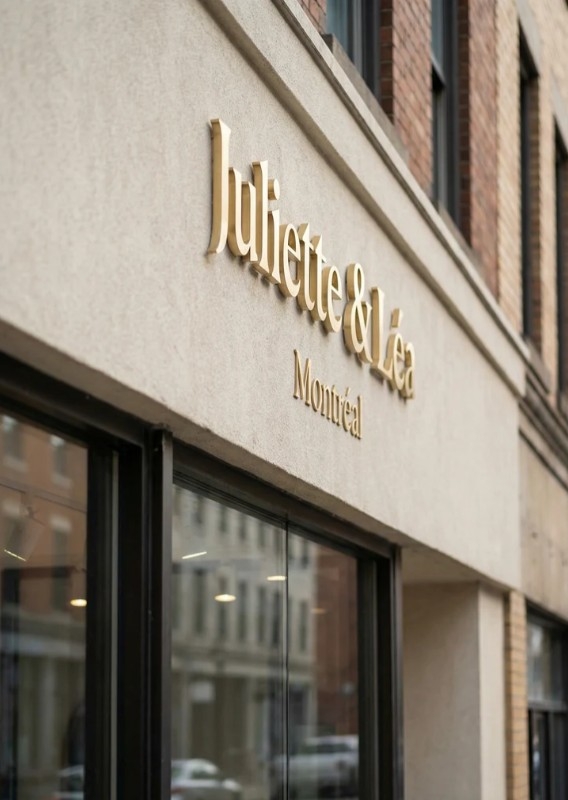
The website lacked a physical address, displaying only store hours and an email contact. An internet search yielded no results, and an inquiry sent via email received an automated response promising a reply within 24 hours. Days later, the response confirmed a startling truth: there was no brick-and-mortar store.
Customers began sharing their experiences online, revealing the deception. Purchases weren’t shipped from Canada at all, but directly from China. One shopper, expecting a local purchase, discovered their order originated thousands of miles away. Another reported receiving an incorrect item with no response from the seller.
The rise of artificial intelligence is enabling increasingly sophisticated fraud, according to Montreal retail strategist Carl Boutet. Foreign entities can now effortlessly create convincing websites, complete with compelling brand narratives and imagery, capable of deceiving even experienced online shoppers.
Boutet explains that AI tools like ChatGPT can generate effective marketing copy tailored to specific demographics, crafting stories that resonate with potential customers. This allows fraudsters to launch seemingly legitimate businesses in a matter of minutes.
He urges consumers to exercise caution and verify the authenticity of businesses before sharing their financial information. The name “Juliette & Lea,” he points out, deliberately evokes familiarity, mirroring the names of existing Montreal businesses like a daycare and a chocolate shop.
The website itself paints a heartwarming picture: Juliette, a single mother who turned her passion into a boutique, and her daughter Lea, who grew up immersed in craftsmanship and style. Lea recently graduated from LaSalle College and now dreams of Milan, while Juliette prepares for retirement.
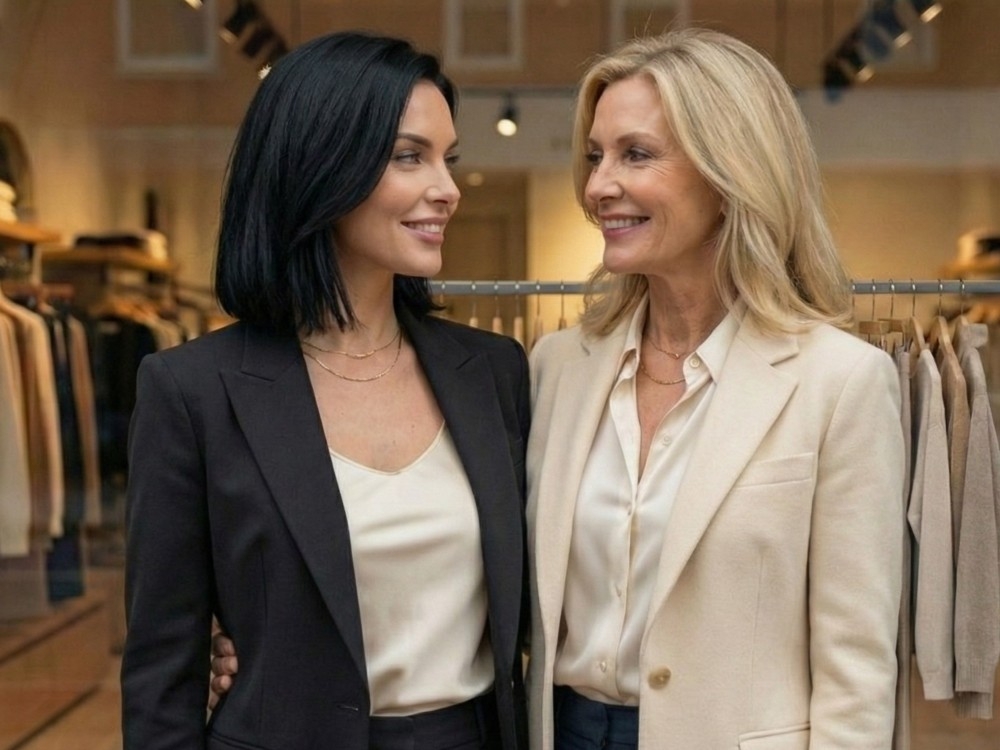
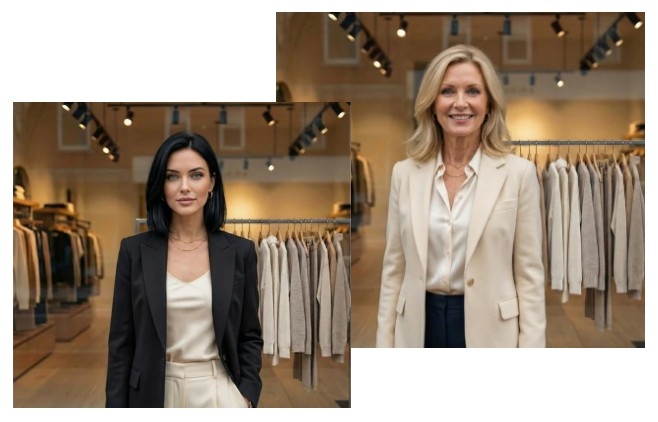
However, the boutique’s Instagram account, with fewer than 500 followers, tells a different story. Posts dating back only to December feature AI-generated images of models wearing the clothing, but no photos of the actual owners or a real storefront.
Boutet emphasizes the importance of scrutinizing website addresses and taking the time to research a brand’s background, especially if it’s unfamiliar. He himself noticed the ad in January and immediately questioned its legitimacy, given his extensive knowledge of the Montreal retail landscape.
He shared his concerns on LinkedIn, describing the operation as a “synthetic retail brand” built on AI-generated storytelling, reviews, and imagery designed to inspire trust. The key to authenticity, he argues, lies in organic growth and a genuine human presence.
The proliferation of these AI-powered scams poses a significant challenge to legitimate businesses, particularly startups. It’s becoming increasingly difficult to distinguish between genuine brands and sophisticated imitations.
Boutet believes that building a strong community around a brand is crucial. Authentic businesses thrive on support from customers who share their values and believe in their mission. This organic connection is something AI simply cannot replicate.
In an age where authenticity can be manufactured, vigilance is paramount. A moment of caution can save consumers from falling victim to increasingly convincing, AI-driven scams.