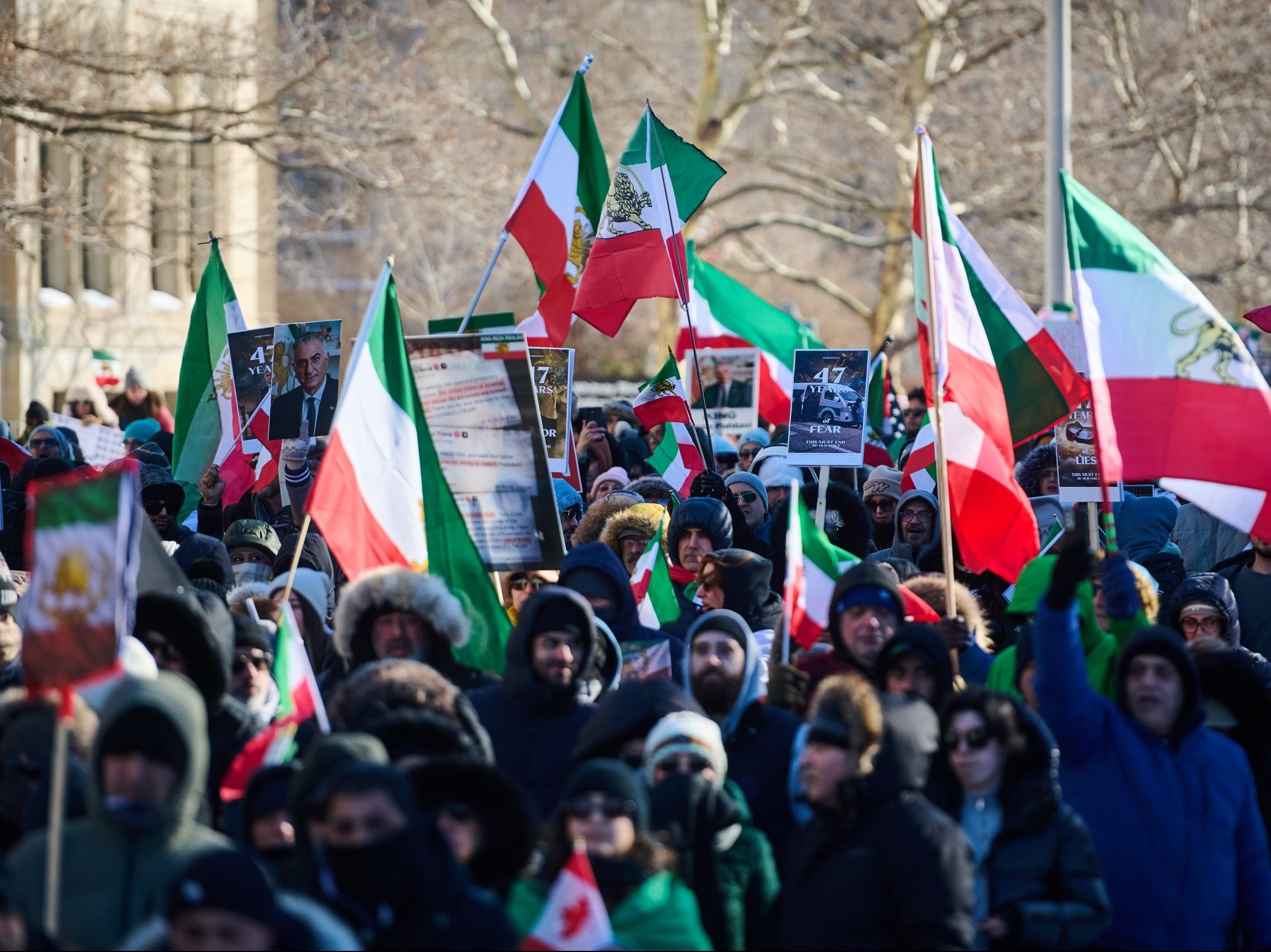
A wave of defiance surged through the heart of Toronto on Sunday, as thousands filled the streets demanding an end to the theocratic rule in Iran. The demonstration, centered in Sankofa Square, echoed the desperate cries for freedom rising from within Iran itself, a nation gripped by a brutal crackdown on widespread protests.
The unrest ignited in late December, initially sparked by economic desperation. Shopkeepers and merchants, strangled by soaring inflation and a plummeting currency, took to the streets. Soon, students and ordinary citizens joined their ranks, voicing outrage as the value of their livelihoods evaporated – one U.S. dollar exceeding 1.4 million rial.
The protests quickly evolved beyond economic grievances, turning into a direct challenge to the authority of Ayatollah Ali Khamenei and his regime. Calls for change resonated, with some demonstrators openly advocating for the return of Reza Pahlavi, son of the last Shah, hoping to restore a monarchy overthrown in the 1979 revolution.
The Iranian government responded with ruthless force. Determining the true cost of this suppression has proven agonizingly difficult, shrouded in secrecy and deliberate underreporting. Estimates of the dead range from over 6,700, according to U.S.-based human rights groups, to a staggering 36,500, while official Iranian figures claim a far lower 3,117 – a number widely disputed.
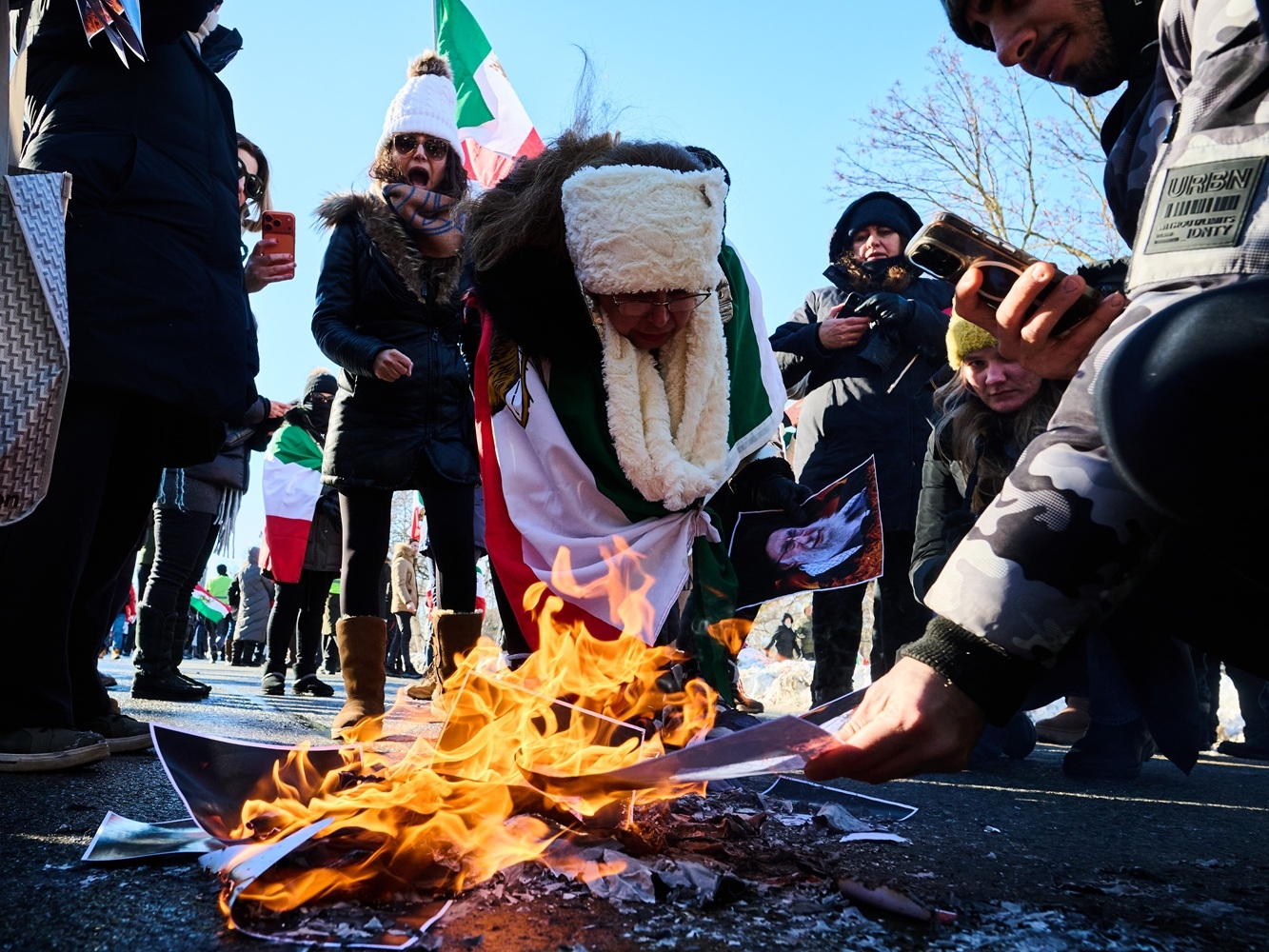
The atmosphere in Toronto was charged with emotion, fueled by images and videos emerging from Iran depicting violence and despair. Protesters chanted “Free Iran,” symbolically burning portraits of Khamenei and brandishing signs calling for a new era under Pahlavi’s leadership.
As tensions escalate, Khamenei issued a stark warning, threatening a “regional war” should the United States intervene. This declaration arrived as American warships, including the aircraft carrier USS Abraham Lincoln, positioned themselves in the Arabian Sea, a visible display of force ordered by U.S. President Donald Trump.
For those gathered in Toronto, the stakes were profoundly personal. Some voiced support for western intervention, believing it the only path to halt the bloodshed and secure a future for their homeland, a future free from oppression and economic ruin.