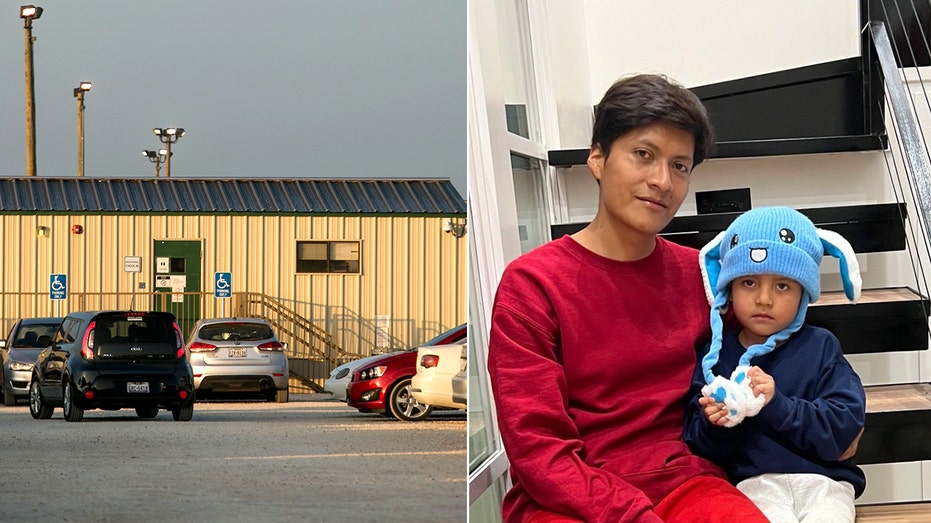
A five-year-old boy and his father, detained by immigration authorities in Minneapolis last month, were released over the weekend, yet the circumstances surrounding their case remain fiercely contested. The core of the dispute centers on whether the family had formally applied for asylum, a claim vehemently denied by a high-ranking government official.
Deputy Attorney General Todd Blanche asserted that the family, who entered the U.S. in 2024, did not have a pending asylum case. This directly contradicts statements from the family’s legal representatives, who maintain an active claim is currently being processed, allowing them to legally remain in the country while awaiting a court decision.
The disagreement highlights a fundamental clash in interpretation. While some argue that unauthorized entry constitutes a criminal act warranting detention, others emphasize the rights of asylum seekers and the need for due process. The current administration firmly believes that being in the country illegally *is* a crime in itself.
This case ignited widespread condemnation after the boy was apprehended while being picked up from school on January 20th. The detention sparked outrage from legal professionals and lawmakers alike, prompting questions about the tactics employed by federal agents.
A judge’s ruling on Saturday ultimately led to the family’s release from a detention center in Texas. Congressman Joaquin Castro personally retrieved them, driving them back to Minnesota, offering a tangible sign of support.
The release was met with relief and celebration, particularly from Minnesota Representative Ilhan Omar, who shared a photograph with the family and Castro. The sentiment echoed a broader message of welcome and affirmation.
In a heartfelt letter to the young boy, Congressman Castro wrote words of encouragement, reminding him that America’s strength and prosperity are built upon the contributions of immigrants. The case serves as a stark reminder of the complex realities facing families seeking refuge within U.S. borders.
The legal debate continues regarding the detention of individuals awaiting immigration proceedings. The government maintains its position that detention is justified, while advocates argue for alternatives like bail, emphasizing the importance of upholding legal rights and humanitarian principles.
The situation underscores a deep division in the interpretation of immigration law, with ongoing appellate cases shaping the future of how such cases are handled. The family’s experience has become a focal point in this larger national conversation.