A chilling reality has settled over Toronto’s cycling community. Despite a record-breaking snowstorm now a week in the past, the city’s bike lanes remain largely impassable, sparking frustration and raising serious safety concerns for riders.
The recent blizzard, which dumped over half a metre of snow on some neighbourhoods – a staggering 46 cm at Pearson Airport and even more in the city centre – has effectively crippled a vital transportation network. What was once a convenient and eco-friendly option has become a treacherous undertaking for many.
Dave Shellnutt, a lawyer and cycling advocate, has directly appealed to Mayor Olivia Chow, detailing the perilous conditions. He paints a stark picture: bike lanes aren’t just partially blocked, but filled with a foot and a half of snow and ice, rendering the entire infrastructure useless.
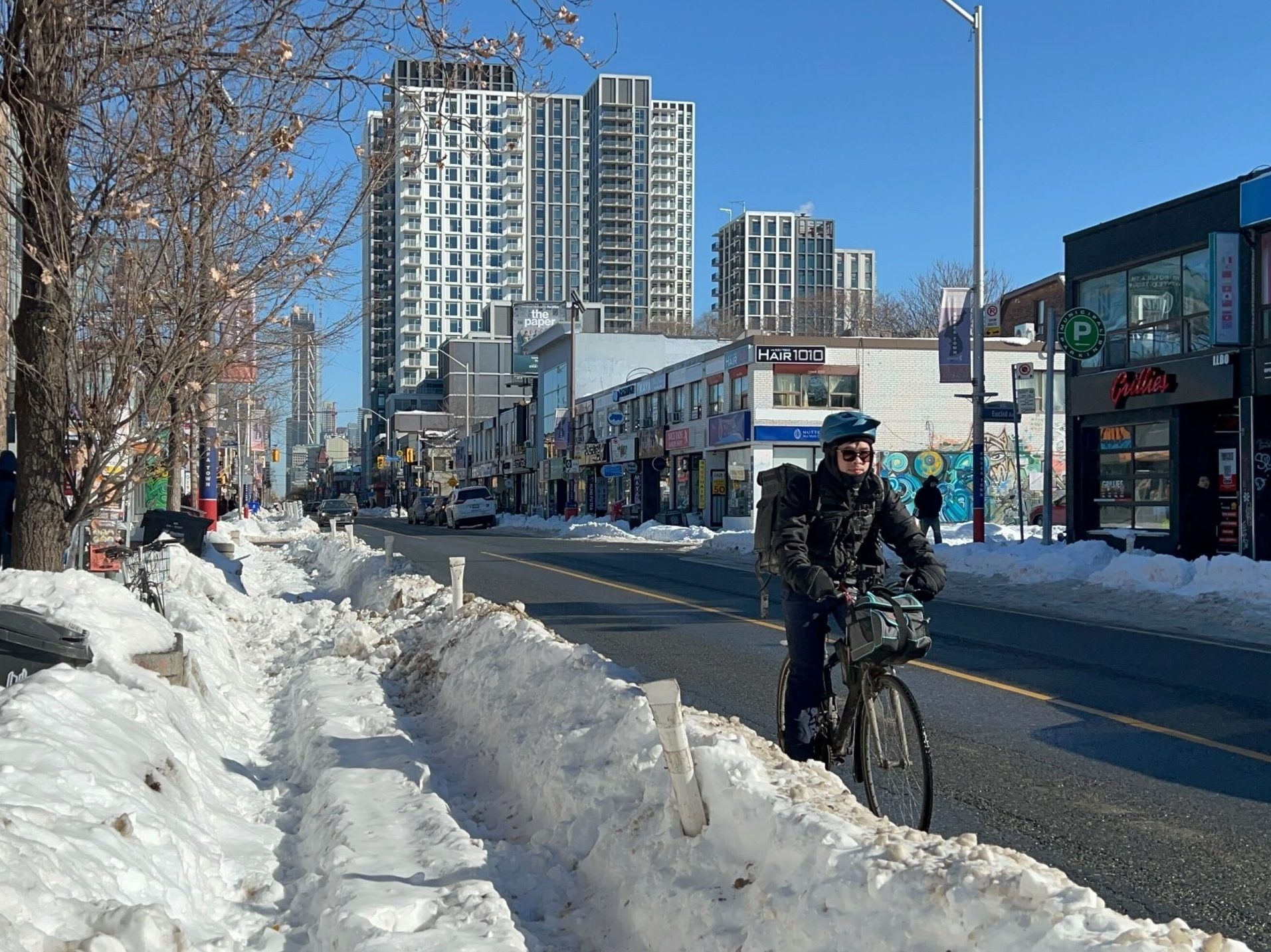
The city’s current snow removal strategy, prioritizing residential streets, highway ramps, and hospital routes, has inadvertently sidelined cyclists. This decision has significantly impacted not only daily commuters but also crucial volunteer organizations like the Toronto Bike Brigade, who rely on bikes to deliver essential supplies.
Riders, accustomed to braving all weather conditions, now face a heightened risk. Without the protective barrier of cleared bike lanes, navigating slippery streets alongside motor vehicles feels profoundly unsafe, according to those who continue to venture out.
Karan Singh, a food delivery cyclist for Uber, described the current situation as “very scary,” echoing the anxieties felt throughout the cycling community. The lack of accessible bike lanes forces riders into dangerous proximity with traffic.
Cycle Toronto is now demanding a clear and actionable plan from the city. While acknowledging the scale of the snowstorm, executive director Michael Longfield emphasizes the growing need for transparency and a timeline for restoring safe cycling conditions.
The city acknowledges receiving hundreds of complaints regarding bike lane maintenance, yet remains unable to provide a definitive schedule for complete clearance. The ongoing challenge lies in maintaining cleared lanes against re-accumulation from traffic and further snowfall.
The situation underscores a critical question: how does a major city balance the needs of all its citizens during extreme weather events, ensuring that no mode of transportation is left dangerously behind?