The reverberations from the Grammy Awards extended beyond music, landing squarely in the realm of national security. Secretary of Homeland Security responded to pointed criticism leveled at U.S. Immigration and Customs Enforcement by several prominent artists, characterizing their statements as fundamentally misinformed.
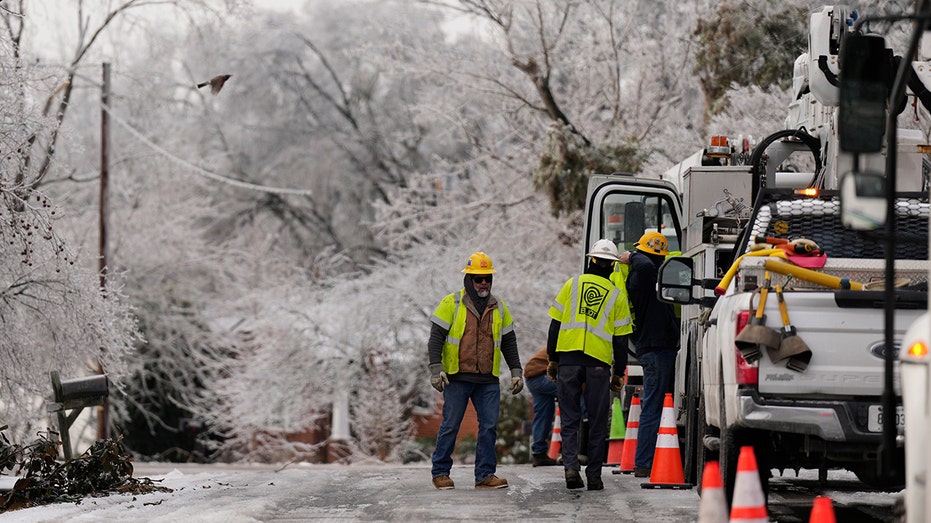
Speaking from a Mississippi National Guard facility following assessments related to Winter Storm Fern, the Secretary expressed a deep respect for the men and women of ICE. She emphasized their often-unseen connection to the communities they serve, highlighting that many officers live and raise families within those same neighborhoods.
The core of their work, she asserted, isn’t abstract enforcement, but a direct effort to safeguard citizens. These officers, she explained, are focused on apprehending violent criminals – murderers, rapists, and those involved in the devastating drug trade – directly contributing to public safety.
The Secretary directly linked this work to a broader trend of declining crime rates. She pointed to historic lows in both murder and overall crime, figures she attributed to the focused efforts of the administration and the dedication of law enforcement agencies like ICE.
Billie Eilish, accepting the Grammy for Song of the Year, ignited the controversy with a powerful statement: “No one is illegal on stolen land.” She punctuated her acceptance with a direct rebuke of ICE, stating simply, “F--- ICE.” She also wore a visible “ICE OUT” pin, signaling her commitment to continued activism.
Puerto Rican singer Bad Bunny echoed Eilish’s sentiments during his own Grammy acceptance speech. He passionately defended the humanity of immigrants, declaring, “We’re not savage, we’re not animals, we’re not aliens — we are humans, and we are Americans,” while also calling for the agency’s dismantling with a firm “ICE out.”
The Secretary’s response underscores a growing divide – a clash between celebrity platforms and the realities faced by those working within the complex landscape of border security and immigration enforcement. It’s a debate fueled by deeply held beliefs about justice, safety, and the very definition of American identity.