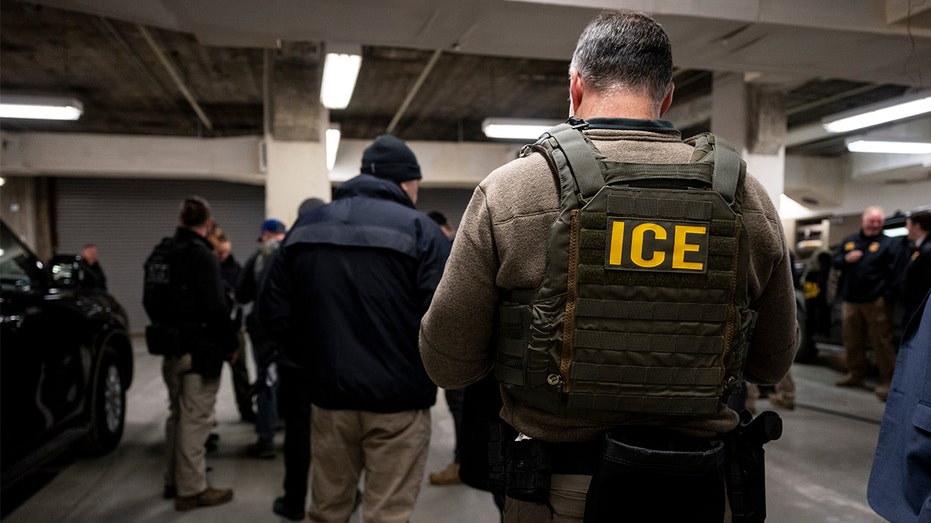
A recent directive from the highest levels of Immigration and Customs Enforcement has dramatically altered the landscape of immigration enforcement, granting agents expanded authority to make arrests without warrants.
The memo, filed in a Minnesota federal court case, signals a significant shift in ICE’s interpretation of existing law, suggesting a previous misreading of the legal framework governing arrests. Acting Director Todd Lyons is at the center of this change, effectively rewriting the rules for agents in the field.
Previously, ICE agents were required to secure administrative warrants, approved by supervisors, demonstrating probable cause for an arrest. Now, the agency is leaning heavily into a legal exception: the ability to arrest individuals deemed “likely to escape” before a warrant can be obtained.
Lyons’ memo redefines “likely to escape” in strikingly broad terms. It no longer requires a demonstration of “flight risk” – the potential to miss a future court date – but simply a determination that an individual might not be found at their current location when authorities return with a warrant.
This new interpretation effectively lowers the bar for warrantless arrests, allowing agents to act on immediate assessments made during encounters. The memo stresses the importance of documenting the reasoning behind these “on-the-spot determinations” after an arrest has been made.
While a Department of Homeland Security official characterized the memo as a simple reminder to maintain detailed records, critics are sounding alarms. Senator Jeff Merkley labeled it a continuation of a troubling agenda, alleging a desire for unchecked arrest power.
Former ICE officials have also expressed concern, with one describing the broadened definition of “escape” as rendering the warrant requirement virtually meaningless. The new policy could allow agents to arrest anyone they wish without the safeguard of judicial review.
This shift comes amidst an already aggressive deportation agenda, sparking intense debate. Supporters point to a reduction in illegal immigration, while opponents highlight instances of questionable tactics and tragic outcomes, including recent deaths of U.S. citizens during ICE operations.
ICE’s deportation practices are facing numerous legal challenges nationwide, with district court judges rejecting hundreds of the administration’s actions. A federal judge in Washington D.C. already blocked the administration from making warrantless arrests without individualized assessments of escape risk.
That judge, Beryl Howell, sharply criticized the “arrest first, ask questions later” approach, finding the administration’s policy deficient under both immigration law and constitutional principles. The legal battles are far from over, and the future of immigration enforcement hangs in the balance.