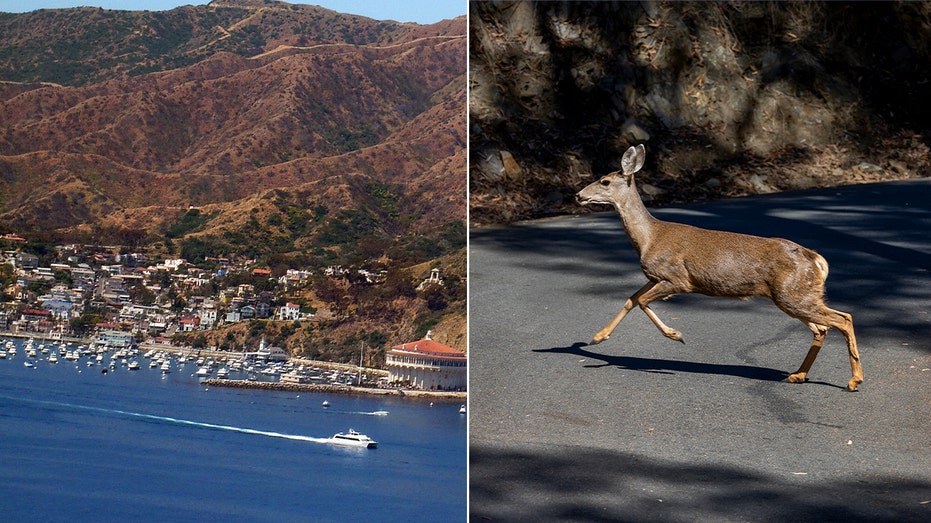
A dramatic decision has been made for Catalina Island: a sweeping effort to restore its delicate ecosystem by removing an invasive deer population. California officials recently approved a controversial plan, spearheaded by a conservation nonprofit, to utilize sharpshooters in this ambitious undertaking.
The initial proposal, involving sharpshooters in helicopters, ignited fierce opposition. Critics decried the idea as a brutal and unacceptable method, envisioning a scene of widespread carnage. Responding to public outcry, the plan was swiftly altered, shifting focus to ground-based teams operating under stringent safety measures.
For decades, mule deer – introduced to the island in the 1930s – have thrived in the absence of natural predators. This unchecked growth has triggered a devastating cascade effect, disrupting the island’s natural balance and threatening its unique biodiversity.
The deer’s relentless browsing has decimated native plant life, leading to widespread soil erosion and a heightened risk of catastrophic wildfires. Precious water resources have dwindled, and the island’s indigenous species are struggling to survive amidst the competition.
Dubbed “Operation Protect Catalina Island,” the multi-year initiative isn’t simply about removal. A remarkable component of the plan involves utilizing the harvested deer as a vital food source for the critically endangered California Condor Recovery Program, offering these majestic birds a natural and sustainable diet.
Estimating the exact number of deer to be removed is challenging, as the population fluctuates significantly, ranging from 500 to 1,800. However, conservation experts are resolute: the island faces a stark choice – a thriving, resilient ecosystem, or continued deer overpopulation.
According to leading conservationists, all other potential solutions have been thoroughly explored and deemed insufficient. The evidence overwhelmingly demonstrates the severity of the threat posed by the deer, leaving officials with a difficult, yet necessary, course of action.
Beyond deer removal, the restoration plan includes a proactive effort to reintroduce native, fire-resistant plant species. This crucial step aims to bolster the island’s resilience against increasingly frequent and intense wildfires, safeguarding its future for generations to come.
The timing of the operation’s implementation remains uncertain, but the decision marks a pivotal moment for Catalina Island. It’s a bold attempt to reverse decades of ecological damage and restore a fragile paradise to its former glory.