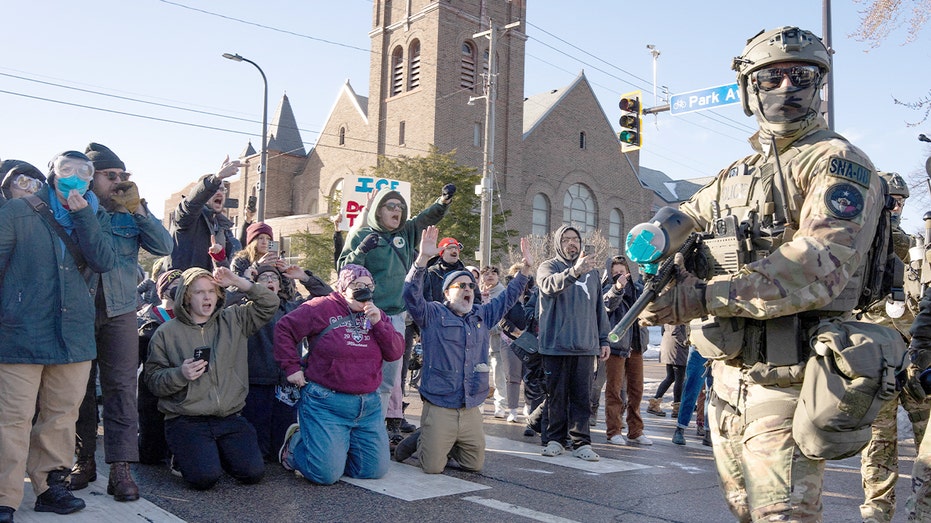
A chilling pattern is emerging, one with roots stretching back decades. It’s a dangerous game played by those seeking to ignite societal upheaval: deliberately placing individuals in harm’s way, hoping for bloodshed to fuel their cause. The recent events in Minneapolis, with the tragic loss of life, echo a disturbing strategy witnessed years ago.
Forty years ago, a young infiltrator witnessed the calculated risk-taking within radical groups. The goal wasn’t peaceful protest, but the anticipation – even the desire – for a martyr. Someone who could be presented as a victim, sparking outrage and rallying support against established power. It sounded unbelievable then, and feels equally unsettling now.
This tactic, described as “armed propaganda,” involves intentionally creating volatile situations, knowing that confrontations with law enforcement are likely. The expectation isn’t to avoid casualties, but to exploit them. The deaths become leverage, tools to manipulate public opinion and escalate tensions.
The story of Benjamin Linder, an activist killed in Nicaragua in 1987, serves as a stark example. While portrayed as a humanitarian worker, evidence suggested his presence was strategically intended to provoke a reaction. Testimony before Congress revealed a deliberate plan to position American citizens in dangerous zones, hoping for a death that could be weaponized for political gain.
Witnesses described a chilling acceptance of risk, even a desire for sacrifice. One activist openly stated that some members “have got to die” to bring the cause home to the American public. The Linder family, with a history of radical activism, appeared to view their son’s death not as a tragedy, but as a fulfillment of a larger purpose.
Investigations revealed that militant leaders understood the power of martyrdom. They were aware that the presence of American activists could deter attacks, fearing the resulting backlash. Yet, the radicals persisted, willing to gamble with lives to achieve their objectives.
The pattern continued even after Linder’s death. Plans to expand operations to El Salvador were abandoned when guerrilla forces murdered U.S. Marines and other Americans, fearing the consequences. The underlying principle remained the same: a willingness to sacrifice individuals for the sake of the larger political narrative.
Today, the echoes of these past strategies are resonating in current events. It’s a sobering realization that organizers are actively working to enrage, demoralize, and manipulate the public. The human cost is disregarded, overshadowed by the pursuit of a political agenda.
America faces a critical challenge: recognizing and confronting this dangerous manipulation. Ignoring it allows a calculated disregard for human life to flourish, turning individuals into pawns in a larger, more sinister game.