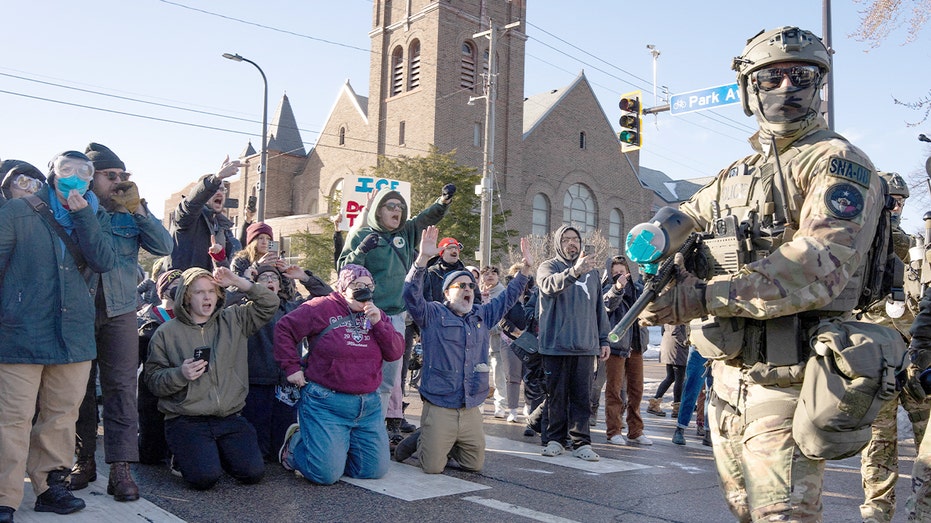
A chilling sentiment is taking hold across the nation: over half of Americans now fear a descent into civil war, and two-thirds believe our democracy is gravely threatened. The fractures are deepening, and the need for a unifying force has never been more urgent. We desperately need a reminder that, despite our differences, we remain one country.
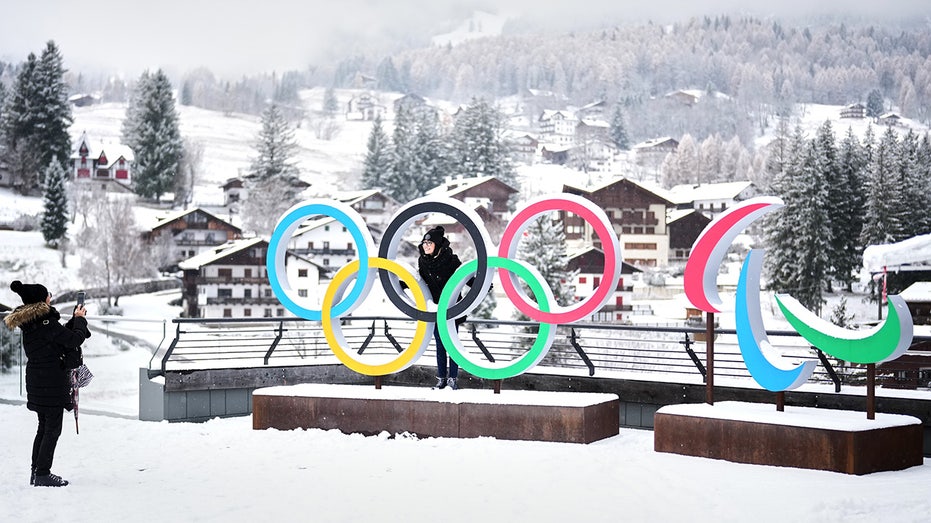
As the Winter Olympics approach – beginning February 6th in Milan, Italy – a powerful opportunity arises. These Games aren’t merely a spectacle of athletic achievement; they offer a potent symbol of unity, a counterpoint to the escalating divisions both at home and abroad. Sports, at their best, demonstrate a better way to navigate competition and disagreement.
Imagine the Olympic spirit extending beyond the television screen, permeating our Little League fields, school gyms, and even the most contentious public forums. Picture our legislators carrying this spirit of rivalry without animosity into the halls of power. It’s a vision of national pride tempered with understanding, applied to the very fabric of our daily lives.
The roots of this ideal stretch back over two millennia to ancient Greece. The original Olympic Games weren’t just athletic contests; they were a deliberate pause in the constant warfare between city-states. Rulers declared a sacred “Olympic Truce,” guaranteeing safe passage for athletes and spectators, replacing violence with regulated competition.
The modern Games, reborn in 1896 in Athens, echoed this ancient spirit of unity and cultural exchange. This commitment to peace even prompted the United Nations to revive the Olympic Truce in the 1990s, urging member nations to suspend hostilities during each Olympic period. The Games don’t eliminate conflict, but they demonstrate how to contain it.
The 2018 Winter Olympics offered a striking example of this power. Amidst ongoing political tensions, North and South Korean athletes competed together on a unified women’s ice hockey team, marching under a single Korean Peninsula flag. It was a powerful display of diplomacy through sport, a moment of connection amidst division.
Sports facilitate conversations, lowering tensions and reopening lines of communication between rivals. Even with vast cultural differences, shared history and a common desire for dignity can be brought into focus. The Korean athletes, despite their nations’ conflicts, found common ground through teamwork and a shared passion for the game.
Watching athletes from diverse backgrounds compete under a single flag evokes a similar sense of unity within our own nation. A shared national pride can rise above prejudice and division, reminding us of our common identity. It’s a powerful feeling to witness our country’s athletes succeed, representing a collective spirit of excellence.
The principles embodied in sports – discipline, respect for opponents, fair play, and grace in both victory and defeat – are fundamentally aligned with American constitutional values. These habits translate beyond the playing field, fostering respectful elections and civil discourse, even amidst fierce competition.
But this isn’t just about grand international events. The same lessons are being learned every weekend in American communities. Little League fields, high school football games, and church leagues are all spaces where children learn to compete without hatred, follow rules under pressure, and achieve more through teamwork.
These local athletic rituals cultivate essential civic habits: restraint, respect, discipline, and cooperation. They remind us that, regardless of our backgrounds or beliefs, we are all part of the same team, united under the same flag. These are the foundations of a healthy society.
In a time of deep polarization, our leaders need these reminders. Division isn’t inevitable, and civility isn’t lost forever. It can be nurtured and restored. Protecting institutions – both global and local – that allow us to compete without hostility is paramount.
The next time you witness a sporting event, whether on a global stage or in your own community, remember that the spirit on display isn’t reserved for elite athletes. It’s a model for how free people, at every level of society, can live, compete, and recognize one another as fellow citizens.