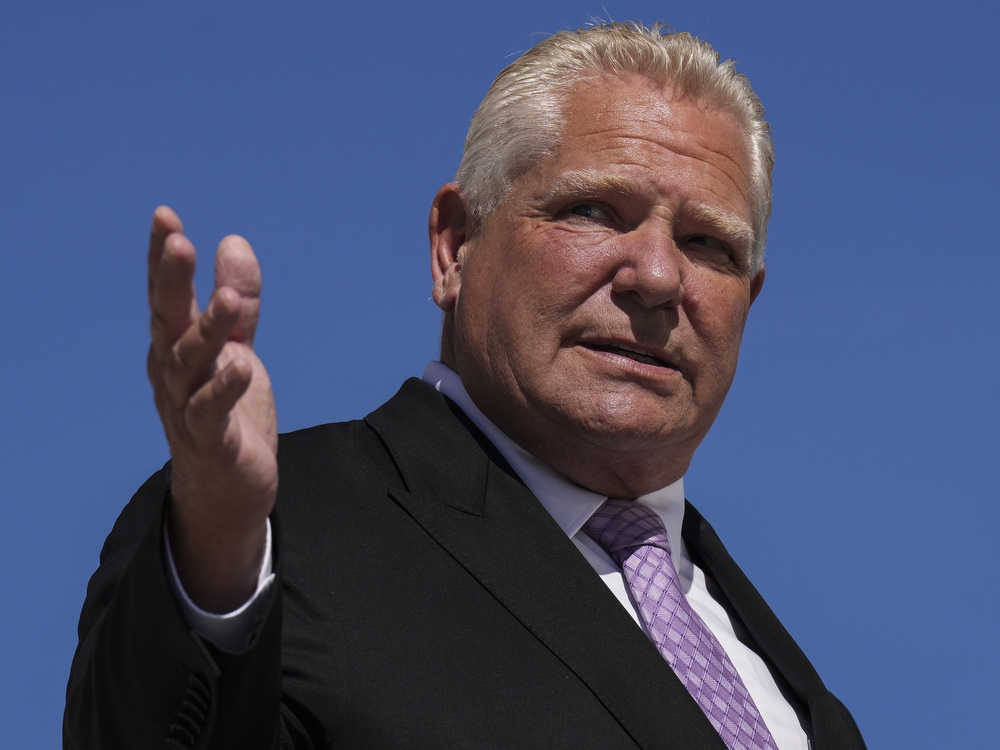
Premier Doug Ford defended a significant shift in Ontario’s student financial aid, acknowledging the concerns voiced by students while maintaining it was a necessary course correction. He described the previous system as financially unsustainable, a burden the province could no longer bear.
The province is responding with a substantial $6.4 billion investment in colleges and universities over four years. This comes after a period of tuition freezes – a 10% cut in 2019 followed by seven years of static rates – intended to ease the financial load on students.
Ford revealed his government faced intense lobbying from post-secondary institutions to reverse the tuition freeze. These institutions argued the policy was crippling their ability to operate effectively and maintain program quality.
The core of the change involves a restructuring of the Ontario Student Assistance Program (OSAP). The shift moves away from largely grant-based aid towards a system prioritizing loans, altering the financial landscape for future students.
Under the new model, grant funding will be capped at a maximum of 25% of a student’s total OSAP funding. This is a dramatic decrease from the current 85% grant, 15% loan ratio, significantly increasing the debt load for many.
Despite the increased reliance on loans, the province is offering a grace period. Students will have six months after graduation before loan repayment begins, and those loans will be interest-free during that time.
Ford emphasized the financial realities facing the province, citing a $2.5 billion deficit. He believes the changes are a pragmatic solution to support both students and the long-term viability of Ontario’s post-secondary institutions.
The decision has been met with approval from the Council of Ontario Universities and Colleges Ontario, who see it as a vital step in addressing program cuts and staffing shortages. These challenges were exacerbated by a recent decline in international student enrollment.
However, student unions are vehemently opposing the changes, with some actively planning a rally at Queen’s Park. They argue the increased debt burden will disproportionately impact students already struggling with a soaring cost of living.
Student leaders warn that the new loan-focused system will make post-secondary education inaccessible to students from low- and middle-income families, widening the gap in educational opportunity. The timing, they say, couldn’t be worse given current economic pressures.
Husam Morra, president of the University of Windsor Students’ Alliance, expressed deep concern that graduates will face even greater financial hardship when repaying their loans, considering the rising costs of essential expenses like housing and food.
Tuition rates will also see a change, with universities and colleges now permitted to increase fees by up to 2% annually for the next three years. After that, increases will be capped at either 2% or the rate of inflation, whichever is lower.