A significant health alert has been issued: nearly 60,000 pounds of frozen blueberries are being pulled from distribution across Canada and the United States. The recall stems from a potential contamination with *Listeria monocytogenes*, a bacteria that can cause a serious, even life-threatening, illness.
This isn’t a standard recall; it’s been elevated to a Class I designation by health officials. This highest-level classification signifies a real and substantial risk – a situation where consuming the product could lead to severe health consequences or even death. The urgency underscores the potential danger posed by the contamination.
The affected blueberries, originating from Willamette Valley Fruit Company in Oregon, were packaged for wholesale distribution, meaning they weren’t sold directly to consumers in grocery stores. However, the product reached distributors in Michigan, Oregon, Washington, Wisconsin, and across Canada, widening the scope of the potential impact.
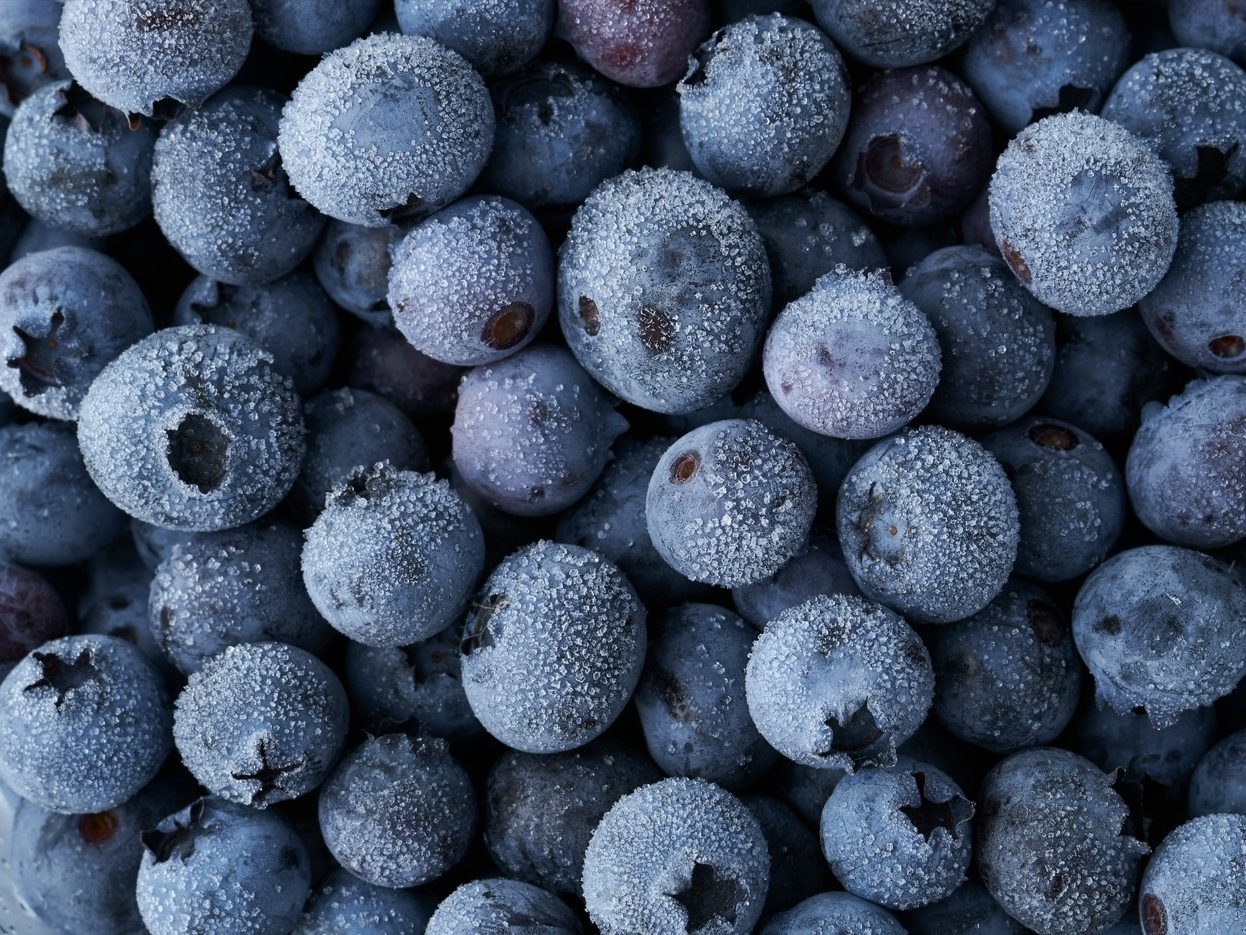
Specific lot codes are key to identifying the recalled product. For 30-pound cases, look for codes 2055 B2, 2065 B1, and 2065 B3, with expiration dates between July 23 and July 24, 2027. Larger 1,400-pound totes carry lot codes 3305 A1 and 3305 B1, expiring on November 25, 2027.
Listeriosis, the illness caused by the bacteria, is particularly dangerous for vulnerable populations. Older adults, pregnant women, young children, and individuals with weakened immune systems are at the highest risk of severe complications. Symptoms can include fever, headache, nausea, and gastrointestinal distress.
The stakes are especially high for pregnant women, as a *Listeria* infection can lead to devastating outcomes – miscarriage, stillbirth, premature delivery, or life-threatening infection in newborns. While, thankfully, no illnesses have been reported in connection with this recall so far, the potential for harm is significant.
The recall began voluntarily on February 12th, but the escalation to Class I status highlights the seriousness of the situation. It’s a critical reminder of the rigorous safety measures in place to protect public health, and the importance of staying informed about food safety alerts.
Currently, the recall is ongoing, and authorities are working to ensure all affected product is removed from the supply chain. Vigilance and awareness are crucial to prevent potential illness and protect those most at risk.