A tiny macaque named Punch captured the world’s attention with heartwarming videos of him clutching a soft, orange companion – an IKEA orangutan toy. Abandoned by his mother at just seven months old, Punch found solace in the plush figure, affectionately nicknamed “Ora-mama,” as he navigated a new life at Ichikawa City Zoo in Japan.
The videos quickly went viral, showing the little monkey tentatively integrating with his troop, always with Ora-mama nearby. Viewers celebrated what appeared to be a touching story of comfort and resilience, a small creature finding a friend in a strange new world.
However, beneath the surface of viral adoration, a stark reality emerged. Animal rights advocates argue there’s nothing “heartwarming” about a baby monkey needing a substitute mother, especially within the confines of a zoo enclosure.
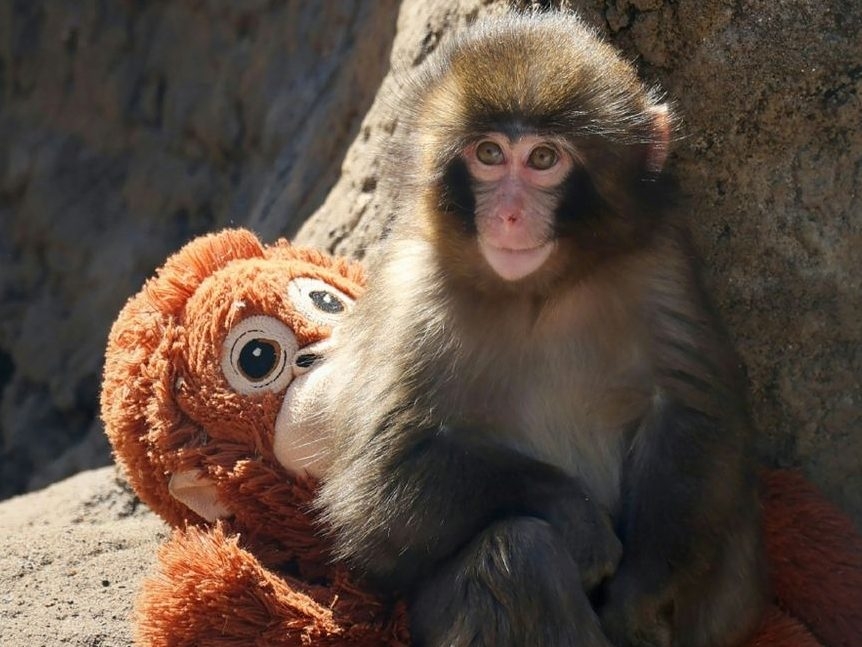
PETA issued a powerful statement, asserting that zoos are fundamentally flawed environments. They are places where animals are stripped of their natural autonomy, denied the complex social structures and rich habitats they deserve, and forced to cope with isolation and loss.
The organization pointed out the heartbreaking truth: Punch should be thriving within a close-knit family group, learning essential life skills in a vibrant, natural environment – not seeking comfort from a toy in a concrete enclosure. They are advocating for his transfer to a reputable sanctuary.
The zoo responded to the growing concerns, emphasizing their commitment to animal welfare and ongoing efforts to improve the monkeys’ living conditions. They highlighted the existence of private, accessible spaces within the enclosure where Punch can retreat.
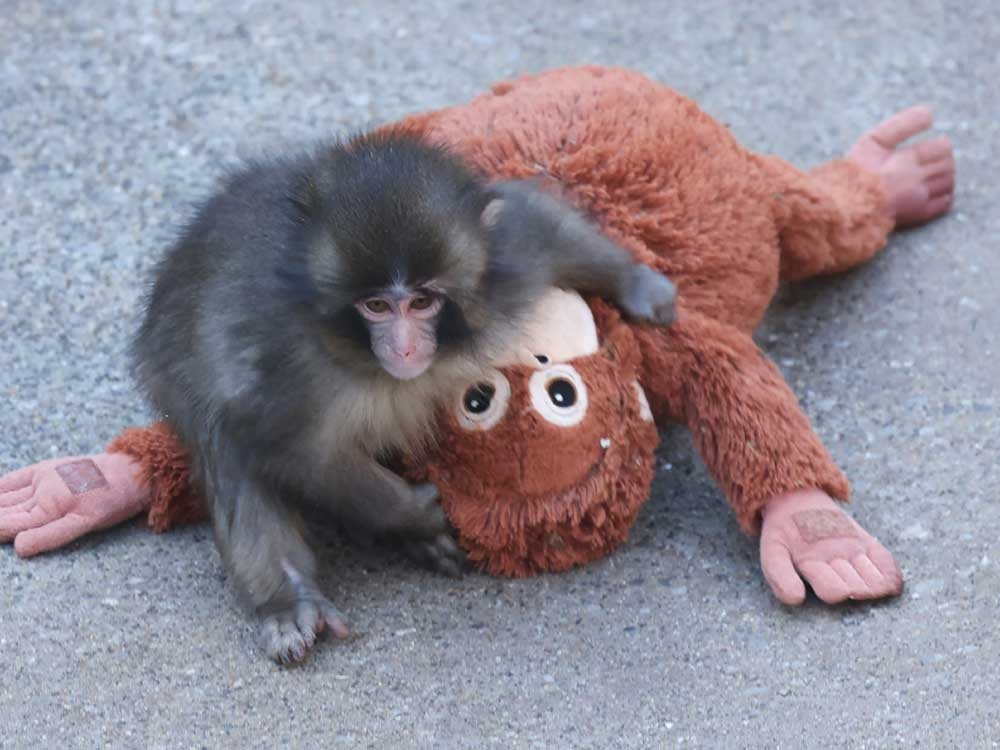
Zoo updates revealed a gradual, positive shift. Daily reports showed Punch increasingly interacting with other monkeys, being groomed, and learning the intricate social dynamics of his species. He was, slowly but surely, finding his place within the troop.
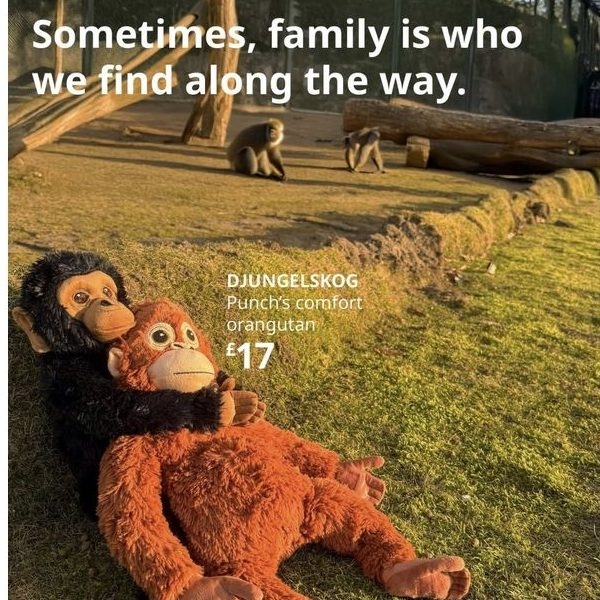
The surge in Punch’s popularity had an unexpected consequence for IKEA. The Djungelskog orangutan toy, now dubbed “Punch’s comfort orangutan,” experienced unprecedented demand. It quickly sold out in numerous markets, including Japan and the United States, fueled by fans eager to replicate the touching bond.
But perhaps the most encouraging development of all is that Punch appears to be relying on Ora-mama less and less. Recent updates from the zoo show him actively playing with other young monkeys, engaging in typical macaque behavior, and thriving in his newfound social connections.
A recent veterinary check confirmed that a mark on his arm, which had prompted concern from viewers, was not an injury. Punch is healthy, energetic, and continuing to learn what it means to be a monkey, surrounded by his own kind.
The story of Punch is a complex one, a poignant reminder of both the vulnerability of animals in captivity and the enduring power of connection, whether it be with a plush toy or a thriving community.