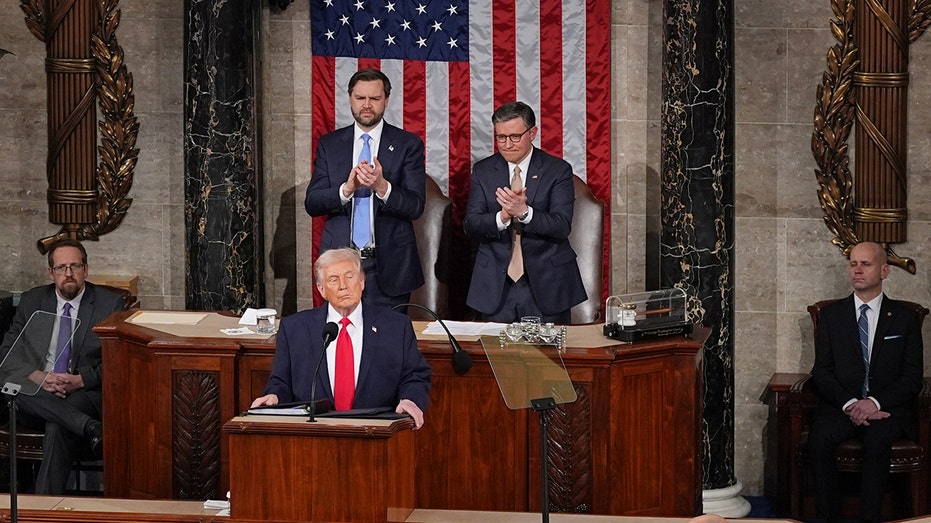
The tension in the Capitol was already high as the President prepared to address the nation. But within the chamber, a quiet defiance was unfolding, a deliberate act that ignited a firestorm of controversy. Congressman Seth Moulton had brought a guest to the State of the Union – a guest authorities were actively seeking.
Marcelo Gomes DaSilva, a teenager whose student visa had expired months prior, was in the country illegally. He’d been briefly detained last year, a fact that hadn’t deterred Moulton from extending an invitation to witness the President’s address. This wasn’t simply a symbolic gesture; it was a calculated challenge to federal law.
News of Gomes DaSilva’s presence quickly reached the Department of Homeland Security, who publicly announced they were looking for him. But Moulton’s staff didn’t wait for authorities to act. They took matters into their own hands, determined to protect their guest from potential arrest and deportation.

Chief of Staff Neesha Suarez, alerted to the DHS tweet, sprang into action. With a heightened law enforcement presence already scanning the House gallery, she discreetly guided Gomes DaSilva out of the chamber, effectively shielding him from detection. It was a deliberate evasion, a direct obstruction of official proceedings.
The act of “harboring” someone in violation of immigration law isn’t a minor offense. Federal statute 8 U.S.C. § 1324 explicitly prohibits concealing, harboring, or shielding undocumented individuals from detection. The consequences for such actions can be severe, raising serious questions about the Congressman’s judgment and potential legal exposure.
The incident has sparked outrage, fueling accusations that some members of Congress prioritize the protection of those who enter the country illegally over the enforcement of existing laws. It’s a stark illustration of a deepening divide, a moment that has crystallized concerns about the direction of immigration policy and the rule of law.
Beyond the legal ramifications, the event has ignited a national debate about priorities and values. Critics argue that this act demonstrates a blatant disregard for American citizens and a willingness to subvert the legal system to protect individuals who are in the country without authorization.