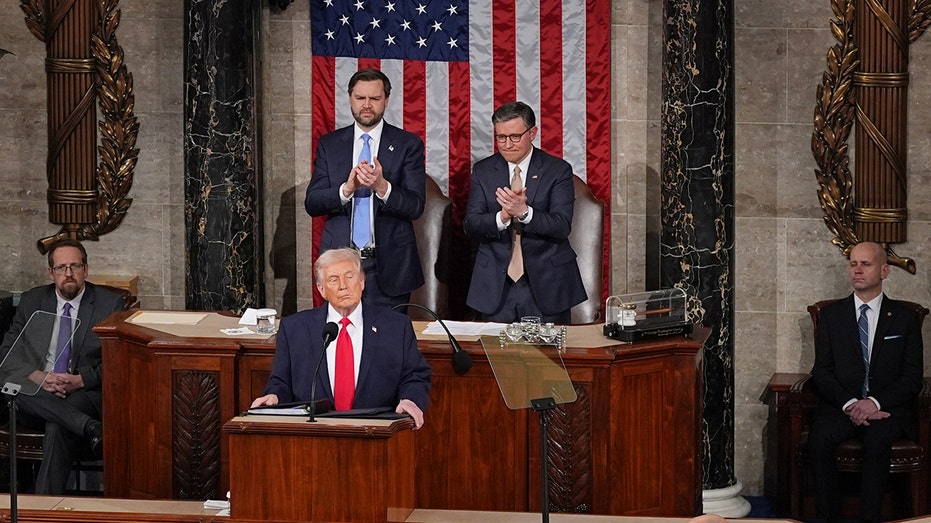
The silence in the chamber was thick, broken only by the rising swell of applause from one side. During his address, the former President issued a challenge: stand if you believed American citizens should be prioritized above those who entered the country without authorization. It was a moment designed to divide, and it succeeded.
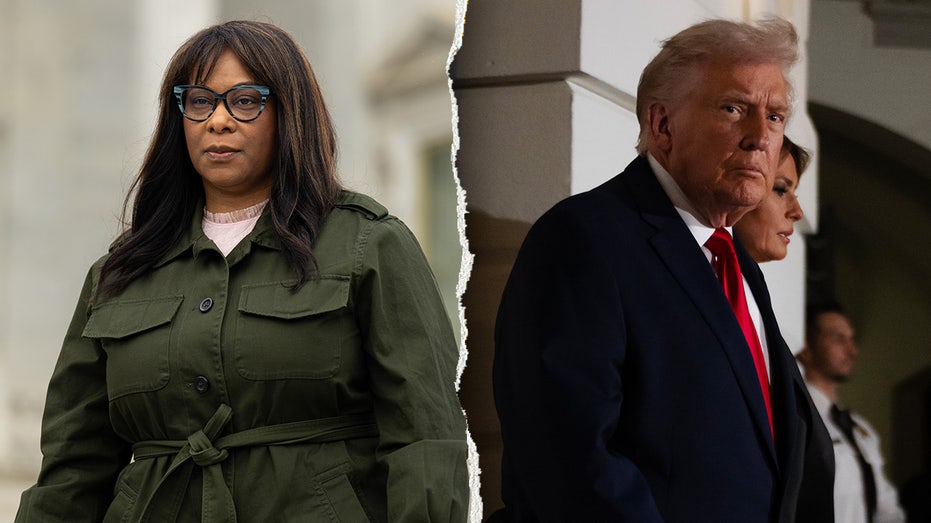
Representative Janelle Bynum, a Democrat from Oregon, remained seated as Republicans rose to their feet, a stark visual representation of the chasm separating the two parties. The applause continued for over ninety seconds, a prolonged ovation that amplified the tension in the room. Bynum later described a deep unease, a feeling that something profoundly unsettling had just occurred.
While acknowledging the surface appeal of prioritizing American citizens, Bynum vehemently disagreed with the method. She characterized the former President’s challenge as laced with thinly veiled racism and anti-immigrant sentiment, a discomforting appeal to base instincts. The question, she implied, wasn’t about *what* was being asked, but *how* it was being framed.
The confrontation unfolded against the backdrop of a partial government shutdown, a consequence of stalled negotiations over immigration policy. Democrats are demanding significant reforms to Immigration and Customs Enforcement (ICE), refusing to fund the Department of Homeland Security (DHS) until their conditions are met.
These demands include restrictions on ICE’s practices – a ban on masks during enforcement actions, an end to unannounced patrols, requirements for visible identification by agents, and stricter warrant requirements for arrests in public spaces. Democrats aim to curtail what they see as overreach and ensure accountability within the agency.
Republicans, however, have dismissed these proposals, insisting that Democrats first address the issue of “sanctuary cities.” They argue that local communities should be compelled to cooperate with federal immigration enforcement, a position Democrats staunchly oppose. The impasse has left DHS in shutdown status since February 14th.
Following the address, Bynum was critical of the former President’s rhetoric, adding it to a list of grievances regarding his portrayal of the economy and his overall divisive approach. She accused him of perpetuating falsehoods and demonizing immigrants, expressing little surprise at the tone of the speech.
The moment in the chamber wasn’t simply a political disagreement; it was a flashpoint in a long-simmering debate about national identity, security, and the very soul of the nation. It highlighted the deep divisions that continue to shape the American political landscape, and the challenges of finding common ground on one of the most contentious issues of our time.