A dangerous escalation unfolded Friday as Pakistan launched airstrikes within Afghanistan, targeting Kabul and provinces to the south and east. The strikes came mere hours after Afghanistan retaliated for earlier Pakistani attacks, throwing a fragile, Qatar-mediated ceasefire into serious doubt.
Explosions rocked the Afghan capital, though the precise locations and any immediate casualties remained unclear. Pakistani strikes also reportedly hit Kandahar and Paktia provinces, according to Afghan officials. The intensity of the response signals a dramatic shift in the ongoing border conflict.
Pakistani security officials, speaking anonymously, claimed their military targeted Afghan military facilities, alleging the destruction of two brigade bases. These claims, however, were not accompanied by any reported casualty figures. The strikes were presented as a direct response to perceived threats emanating from Afghan territory.
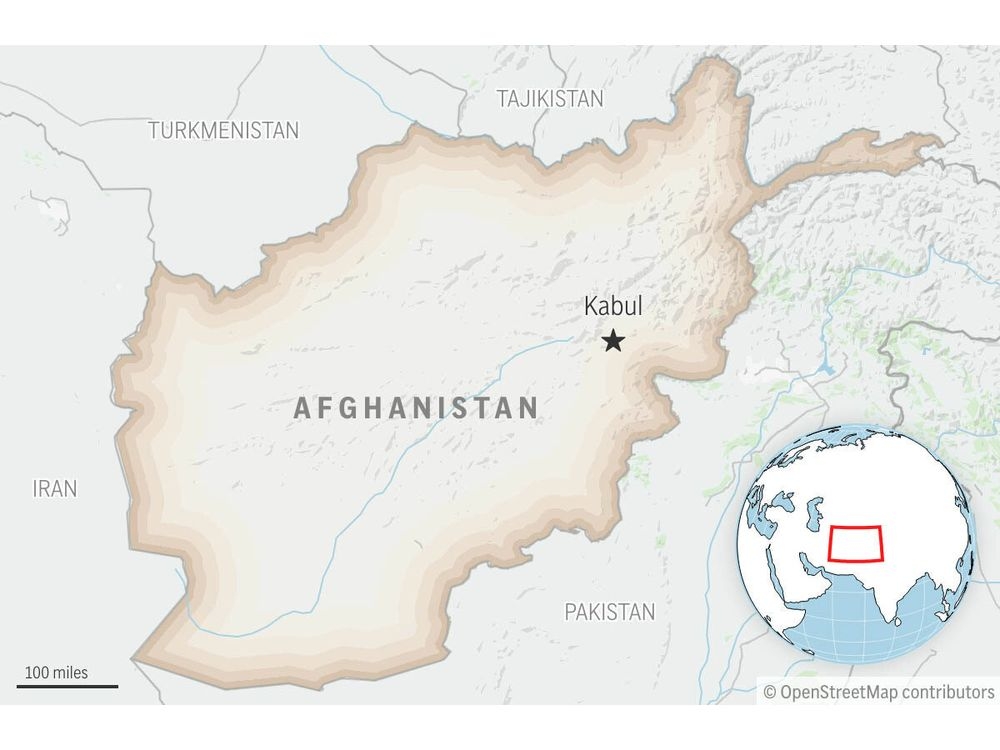
The initial Afghan attack, launched late Thursday, was framed as retribution for Pakistani airstrikes conducted earlier in the week. Afghanistan asserted its forces captured more than a dozen Pakistani army posts along the contentious Durand Line, a border historically disputed by Afghanistan.
Pakistan vehemently denied these claims, dismissing the Afghan attack as unprovoked and rejecting assertions of captured military installations. The conflicting narratives highlight a deep chasm in trust and communication between the two nations.
The United Nations has urged restraint, with Secretary-General Antonio Guterres calling on both sides to prioritize civilian protection and pursue diplomatic solutions. The international community is watching with growing concern as the situation deteriorates.
Afghanistan’s Defense Ministry released a statement claiming a significant victory, alleging 55 Pakistani soldiers were killed, some bodies even recovered within Afghanistan, alongside numerous captures. They reported their own casualties as eight killed and eleven wounded, claiming the destruction of 19 army posts and two bases.
Pakistan offered a drastically different account, reporting only two soldiers killed and three wounded, alongside 36 Afghan fighters dead. Information Minister Attaullah Tarar stated Pakistan was mounting a “strong and effective response” to the alleged unprovoked firing.
Further complicating the situation, conflicting reports emerged regarding captured soldiers. Pakistani officials denied any captures, while later claiming 133 Afghan fighters were killed, over 200 wounded, and 27 posts destroyed, with nine captured. These figures remain unverified and contribute to the confusion.
The violence extended to the Torkham border area, with reports of exchanges of fire and the evacuation of a nearby refugee camp. Afghan authorities were forced to move refugees after several were wounded by a missile strike, including women and children.
On the Pakistani side, residents also evacuated, and Afghan refugees awaiting repatriation were moved to safer locations. This escalation comes amidst Pakistan’s ongoing crackdown on migrants, having expelled hundreds of thousands in recent months.
Months of simmering tension have culminated in this latest outbreak of violence. Deadly clashes in October resulted in numerous casualties, following explosions in Kabul that Afghan officials attributed to Pakistan. Islamabad responded with strikes targeting militant hideouts within Afghanistan.
While a Qatari-mediated ceasefire had largely held, sporadic exchanges of fire continued. Peace talks in November failed to yield a lasting agreement, leaving the underlying issues unresolved. Sunday’s Pakistani strikes, claiming to have killed 70 militants, further inflamed the situation.
Afghanistan rejected Pakistan’s claims, alleging the strikes killed dozens of civilians, including women and children, and violated its airspace. The Defense Ministry reported strikes on civilian areas, including a religious school and homes.
Pakistan attributes a surge in militant violence to groups operating from within Afghanistan, including the Pakistani Taliban and Baloch separatist organizations. Islamabad accuses Afghanistan of harboring these groups, a charge both deny. The complex web of accusations and counter-accusations fuels the cycle of violence.