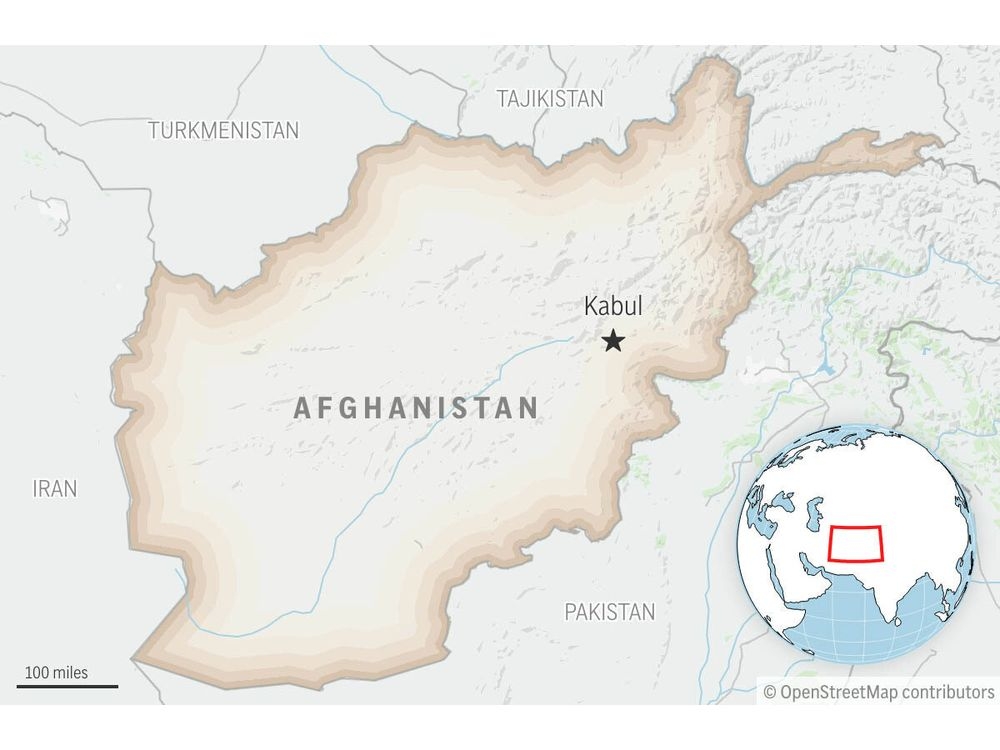
A chilling declaration of “open war” reverberated from Pakistan’s defense minister on Friday, escalating tensions with Afghanistan after a day of intense border clashes. The exchange of heavy fire along the 2,600-kilometer Durand Line shattered a fragile peace, threatening a ceasefire initially intended to hold until 2025.
The conflict ignited following retaliatory strikes launched by the Taliban against Pakistani military positions. Islamabad countered, claiming its response was to unprovoked aggression, a narrative fiercely disputed by the Taliban leadership.
Pakistan’s defense minister, Khawaja Mohammad Asif, voiced deep disillusionment with the Taliban’s rule. He accused the group of abandoning promises of stability following the NATO withdrawal, instead fostering a relationship with India and actively “exporting terrorism.”
Earlier in the week, Pakistani airstrikes within Afghanistan reportedly killed at least 18 people, according to Taliban officials. Pakistan maintained these strikes targeted militant hideouts, vehemently denying any civilian casualties.
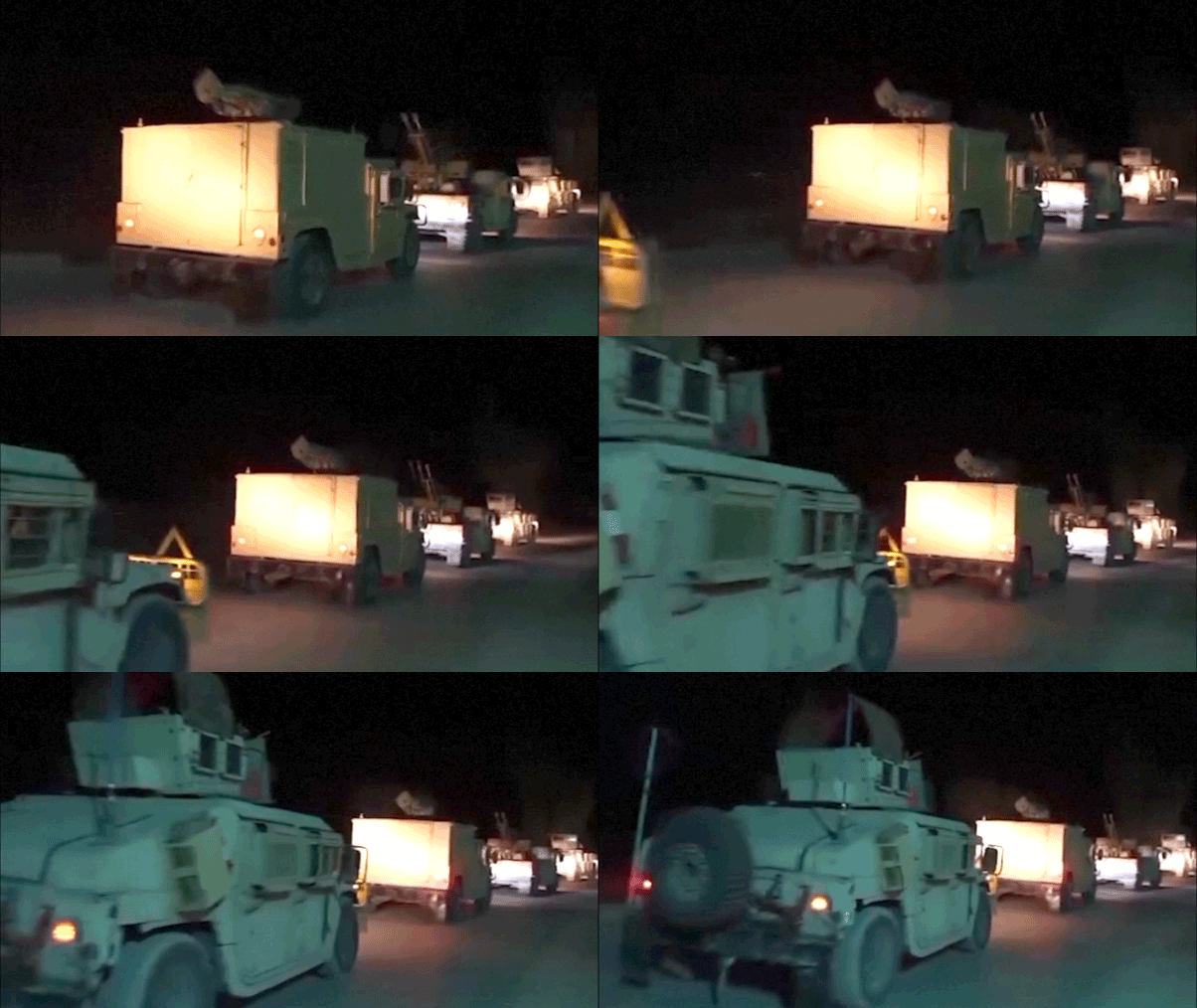
The Taliban responded with what they described as an “extensive” military operation, utilizing “specialized laser units” during nighttime engagements. Spokesperson Zabihullah Mujahid claimed “numerous” Pakistani soldiers were killed and even captured, assertions that remain unverified.
Mujahid further alleged that Pakistani forces bombed locations in Kabul, Kandahar, and Paktia, though he insisted no one was harmed. Pakistan swiftly rejected this account as false, characterizing the Taliban’s actions as unprovoked and receiving an “immediate and effective response.”
Pakistan’s Ministry of Information and Broadcasting reported heavy casualties on the Afghan side, with multiple posts and equipment destroyed. They affirmed a commitment to defend Pakistan’s territorial integrity and the safety of its citizens with all necessary measures.
Pakistani security sources claim 22 Taliban personnel were killed and several quadcopters downed during the clashes. These reports paint a picture of a rapidly deteriorating security situation along the border.
Underlying the immediate conflict are Pakistan’s accusations that the Taliban is providing sanctuary to the Tehrik-i-Taliban Pakistan (TTP), a militant group responsible for a recent surge in violence and suicide attacks within Pakistan. The Taliban consistently denies these allegations.
Just days before the airstrikes, Pakistani officials stated they possessed “irrefutable evidence” of militants launching attacks from Afghan soil, a claim that fueled the escalating tensions and ultimately led to the current state of “open war.”