Ty Sperle is adjusting to a reality that feels almost impossible: being the first person in the world cured of chronic granulomatous disease. It’s a rare genetic condition that once cast a long shadow over his life, filled with the constant threat of infection. Now, the fear that defined so much of his childhood is…gone.
At 18, Sperle, a student at UBC Okanagan, admits the change is subtle. Daily pills are a thing of the past, and the persistent canker sores have faded, but his day-to-day existence hasn’t been dramatically altered. Yet, he carries the weight of history as “Participant 1” in a landmark study published in the New England Journal of Medicine – a testament to the power of gene editing.
Diagnosed with CGD at age five, Sperle’s immune system lacked a crucial weapon. His white blood cells, normally equipped to destroy bacteria with a bleach-like substance, were powerless. Dr. Stuart Turvey, his pediatrician since childhood, described it as a critical flaw in his protective armor, leaving him vulnerable to even minor infections.
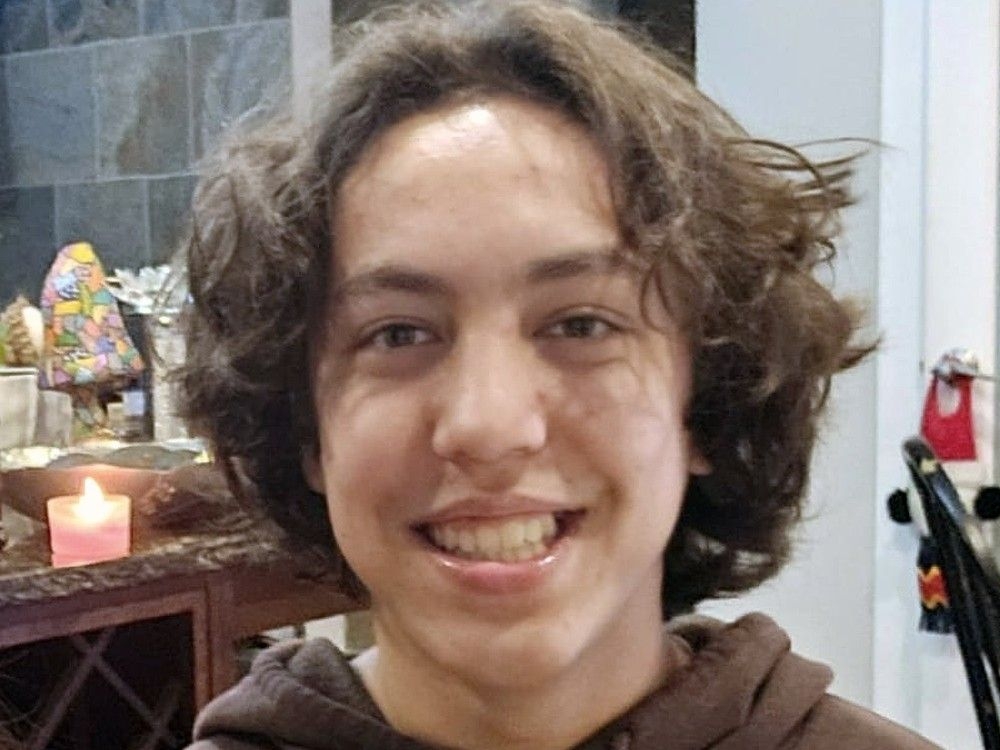
The threat was ever-present. A severe lung infection in early childhood led to his diagnosis, followed by a grueling two-year battle against a bone infection in his skull during Grade 6. For many with CGD, these infections prove fatal. Preventative antibiotics and anti-fungal medications offered some protection, but hospitalizations were frequent and anxiety a constant companion.
A bone marrow transplant, the standard treatment, wasn’t an option for Sperle – a suitable match couldn’t be found. Fortunately, Dr. Turvey had been closely following the rapid advancements in gene editing. When Prime Medicine announced a clinical trial in Montreal, he immediately contacted Dr. Élie Haddad, recognizing Sperle as the ideal candidate.
The most challenging aspect of the process, Sperle recalls, was the uncertainty surrounding the transplant itself. Despite hearing about gene editing, he hadn’t imagined being at the forefront of this medical revolution. His unwavering trust in Dr. Turvey, his lifelong physician, proved crucial.
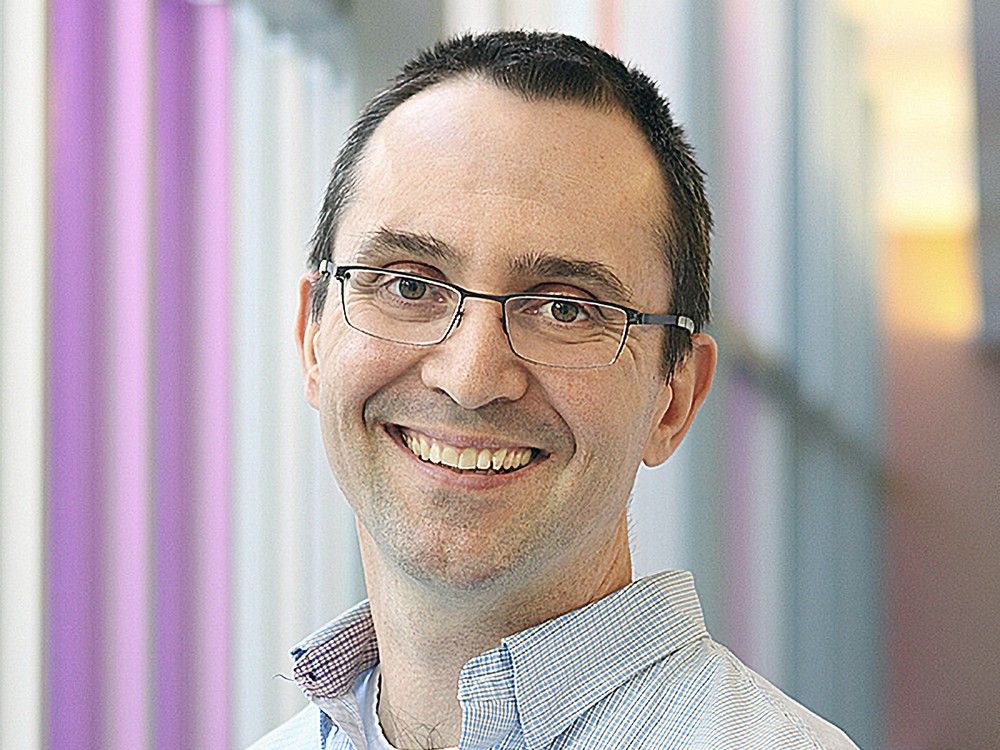
“He’s been my doctor for as long as I’ve known,” Sperle said. “He’s a smart guy and he knows what he’s talking about. And his confidence in the cure helped me.” That confidence was well-placed. Scientists enriched Sperle’s blood stem cells and used a gene editing product to correct the genetic mutation responsible for his CGD.
Now, his white blood cells function as they should, producing the vital chemical needed to fight off infections. This breakthrough isn’t just a personal victory for Sperle; it offers a beacon of hope for those battling other rare genetic diseases. Dr. Turvey emphasizes that while individually rare, these conditions collectively affect a significant number of young patients.
The success underscores the importance of collaborative research, extending beyond geographical boundaries. It’s a testament to the power of shared knowledge and dedication. This single case demonstrates the potential of gene editing to fundamentally reshape the future of medicine.
Sperle is back on campus, continuing his studies at UBC, cautiously optimistic about the future. He’s considering a shift from science to engineering, still processing the enormity of his experience. While he remains mindful of his health, this year feels surprisingly normal.
“It is really crazy to think about,” he admits. “We’re definitely at a turning point in medicine, and to be cured through gene editing is amazing. But I’m not sure what to say.” He is, quite simply, a young man living with the quiet miracle of a second chance.