This Saturday, prepare to witness a breathtaking spectacle unfolding above – a rare planetary parade. Under clear, dark skies, six planets will align, visible to the naked eye in a stunning celestial display.
Mercury, Venus, Jupiter, Saturn, Uranus, and Neptune will grace the skies across much of Canada. This remarkable alignment occurs because all the planets orbit the sun on roughly the same plane, occasionally bunching together from our perspective on Earth.
The parade began earlier this week, and the best viewing time for those in the Northern Hemisphere is after sunset. Aim to be outside with a clear western horizon around 6:30 p.m. local time to catch the most impressive view.
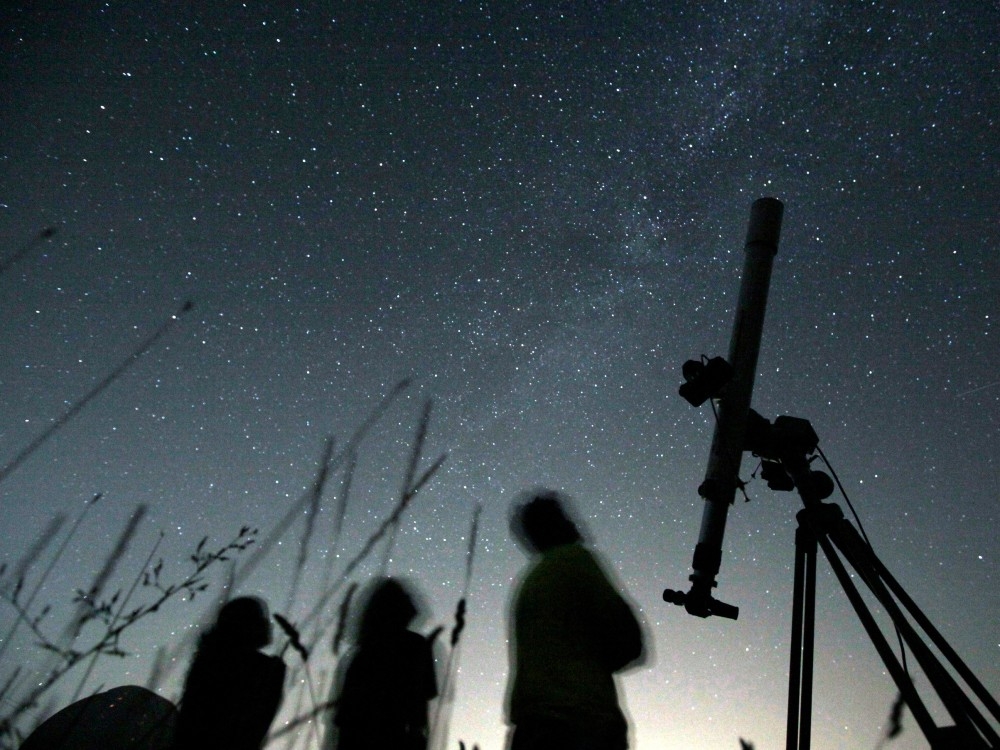
Venus, Mercury, and Saturn will appear close together, while Jupiter will shine brightly higher in the sky. Uranus and Neptune will require binoculars or a telescope for observation, adding a challenge for dedicated stargazers.
This could be your last opportunity to easily spot Mercury before it disappears into the evening twilight. Don't miss this fleeting chance to witness its brilliance.
Distinguishing planets from stars is surprisingly simple. Stars twinkle, a result of their immense distance and the turbulence of Earth’s atmosphere. Planets, being closer, appear as steady, unwavering points of light.
But the celestial wonders don’t end there. Beginning Monday night and continuing into Tuesday morning, a total lunar eclipse will add another layer of magic to the night sky.
As the Moon enters Earth’s shadow, it will gradually darken, culminating in a period of totality. During this phase, the Moon often takes on a captivating reddish glow, visible without any special equipment.
Simply step outside, look up, and hope for clear skies to experience this extraordinary event. It’s a reminder of the vastness and beauty of the universe, freely available for all to witness.
The lunar eclipse offers a particularly accessible experience – no telescope is needed, just your own eyes and a clear view of the night sky. It’s a moment to connect with the cosmos and appreciate the wonders beyond our world.