A chilling declaration has erupted from Pakistan, branding the Taliban regime in Afghanistan as “illegitimate” and escalating tensions to the point of what Pakistan terms “open war.” The accusations are stark, painting a picture of a government actively fostering instability and oppression beyond its borders.
Pakistan’s Information Minister, Attaullah Tarar, delivered a scathing indictment, alleging the Taliban not only sponsors cross-border terrorism but also systematically erases the rights of women and ethnic minorities. He insisted the Taliban’s actions represent a profound distortion of Islamic principles, a betrayal of the faith itself.
The conflict ignited this week with a series of cross-border military operations, a dramatic culmination of months of simmering animosity. A brief pause in hostilities, brokered by Qatar in October, has now shattered, replaced by renewed strikes and retaliatory attacks.
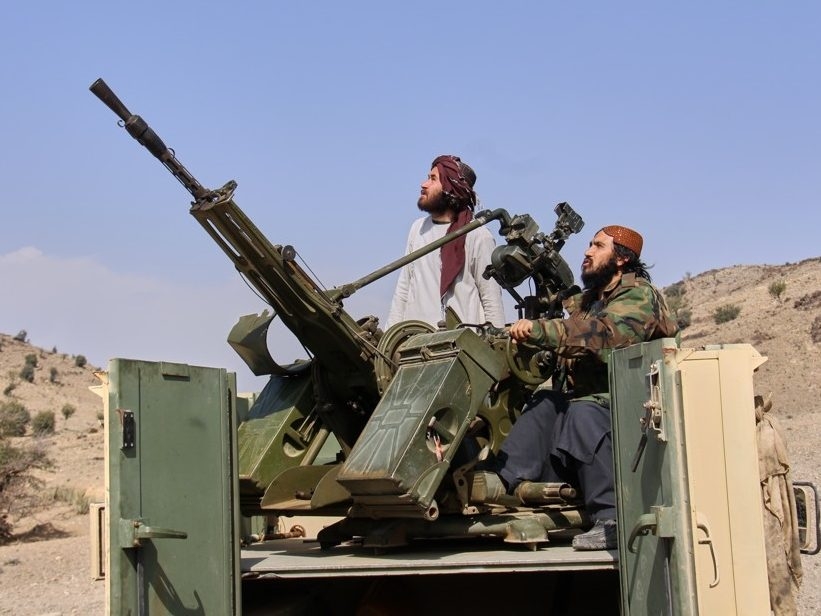
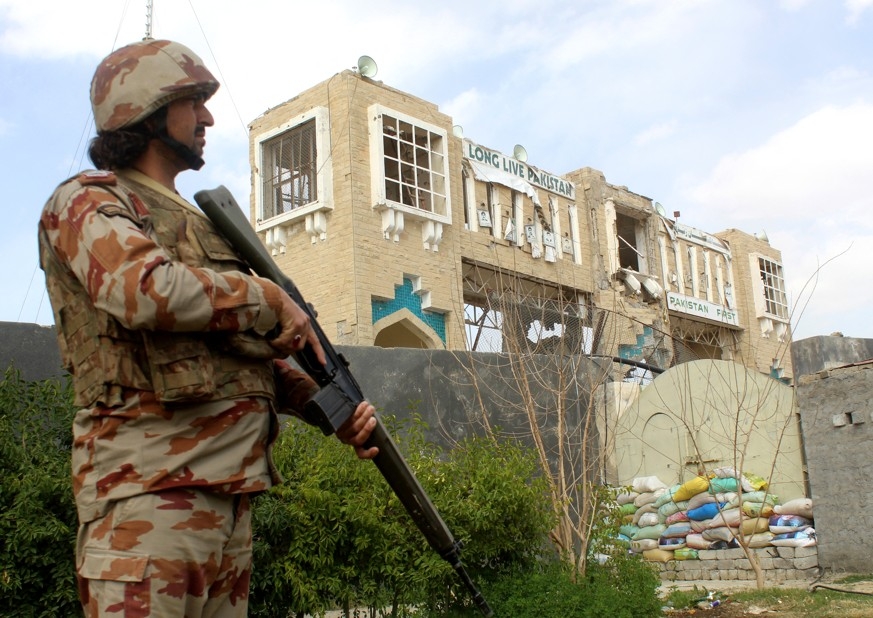
Pakistani air strikes targeted locations along the 2,600 km border, prompting a swift counterattack from Afghanistan. Explosions reverberated through Kabul and other Afghan provinces Friday, as Pakistan targeted military installations, claiming they served as bases for insurgents attacking within Pakistan.
Tarar detailed alleged connections between the Taliban and terrorist organizations, accusing Afghanistan of providing safe havens, training, and logistical support for attacks against Pakistani civilians, security forces, and even places of worship. The accusations are a direct challenge to the Taliban’s authority and legitimacy.
Afghanistan’s response was equally defiant. A government spokesman, Zabiullah Mujahid, warned Pakistan that Afghanistan’s reach extends far enough to retaliate for any perceived aggression, dismissing any attempts at peaceful resolution through dialogue. The rhetoric is escalating, fueling a dangerous cycle of violence.
The current crisis stems from the Taliban’s resurgence five years ago, culminating in their seizure of power in August 2021 following the withdrawal of U.S. and NATO troops. The swift fall of Kabul and the flight of President Ashraf Ghani marked a turning point in the region.
This isn’t the first time the Taliban has held power in Afghanistan; they previously ruled from 1996 until being ousted by international forces in 2001. Tarar emphasized that the current regime came to power through force, lacking any legitimate mandate or popular support, and operates as a system of repression.
The situation remains volatile, with both nations entrenched in their positions and the potential for further escalation looming large. The consequences of this escalating conflict will undoubtedly be felt far beyond the borders of Pakistan and Afghanistan.