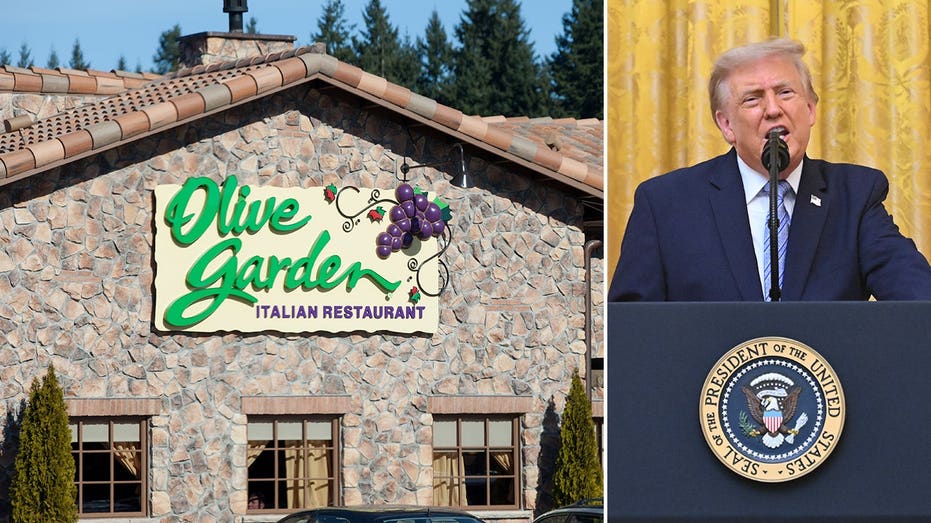
Olive Garden announced a new policy requiring photo identification for customers who use its never‑ending pasta pass.
The pass is personalized and non‑transferable, and patrons must present a valid photo ID that matches the name printed on the pass when placing an order.
The announcement sparked a wave of reactions from conservative commentators, many of whom praised the measure as a stricter form of verification than those seen in some states’ voting laws.
"Olive Garden’s never‑ending pasta pass is more secure than our elections," one commentator wrote. "If you have to show ID to eat pasta, you should have to show ID to vote," another added.
In the United States, 14 states and the District of Columbia do not require voters to present identification when casting a ballot in person, while several states have implemented voter ID requirements.
The SAVE Act, which seeks to add voter ID and citizenship verification requirements, has become a focal point for Republicans who argue it is essential for election security.
The act has been promoted by senior party officials, who urge legislators to pass the legislation to restore public confidence in the electoral process.
With the midterm election cycle approaching, party leaders are working to advance the bill before the congressional window narrows.
The debate over the restaurant’s policy and the broader discussion of voter identification underscore ongoing concerns about verification standards in both dining and democratic participation.