The United States is undergoing a significant shift in its approach to foreign aid, with a new emphasis on private investment, trade, and American business as the primary drivers of development abroad. This change marks a departure from traditional taxpayer-funded assistance, which has been criticized for its limited returns on investment. The new model aims to create jobs, stimulate business growth, and raise living standards in developing countries, while also reducing instability and poverty.
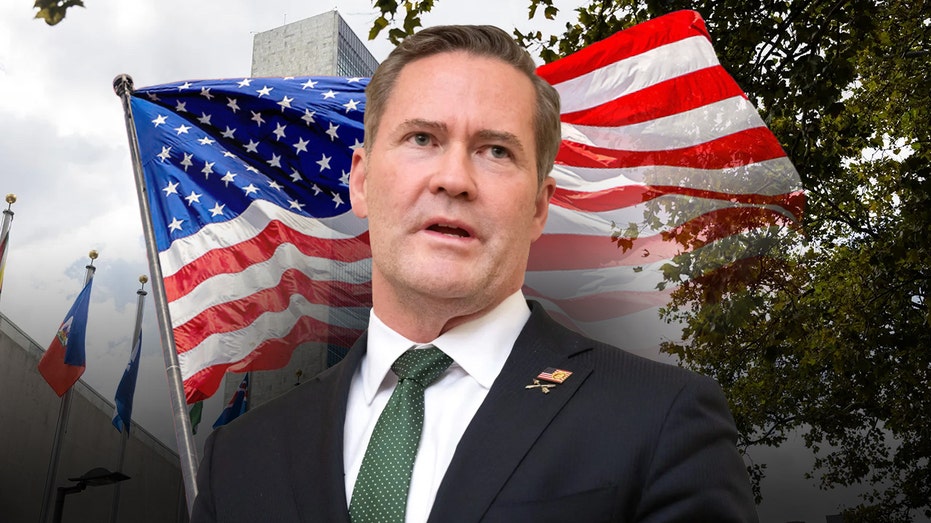
A recent forum at the United Nations brought together representatives from dozens of countries, international organizations, and major private-sector players to discuss this new approach. The event highlighted the need for a more sustainable and effective model of development, one that moves away from reliance on taxpayer-funded aid programs. According to Ambassador Mike Waltz, the US permanent representative to the United Nations, the goal is to create a more dignified and partnership-based relationship between developed and developing countries.
The initiative has received support from some developing countries, which see it as an opportunity to transition from a recipient of charity to a partner in development. However, others have cautioned that trade cannot replace aid overnight, particularly in emergency settings such as natural disasters or humanitarian crises. The Democratic Republic of Congo's Minister of State for Foreign Affairs, for example, emphasized the importance of aid in responding to crises like the Ebola outbreak.
The new model is designed to leverage private capital, trade, and investment to drive growth and development in emerging economies. The US International Development Finance Corporation and other institutions can play a crucial role in providing risk insurance and guarantees for investments in riskier markets. This approach aims to create opportunities for American companies while also promoting economic growth and stability in developing countries.
However, some experts have warned that trade and aid should not be treated as mutually exclusive. Alexander De Croo, the former Belgian prime minister and current leader of the United Nations Development Programme, emphasized that markets need to be built and that investment flows when rules are predictable and institutions are trusted. He highlighted the importance of aid in supporting vaccination campaigns, famine response, and natural disaster relief efforts.
The success of this new approach will depend on its ability to deliver results not only in countries that are already ripe for investment but also in the most challenging environments. The test will be whether private capital can be mobilized to support development in fragile countries with weak institutions, unreliable infrastructure, and high levels of risk. If successful, this new model could mark a significant shift in the way the United States approaches foreign aid and development, one that prioritizes partnership, investment, and mutual benefit.
The initiative has already drawn support from 46 countries and has launched a digital library with 63 capacity-building offers from private companies, governments, NGOs, philanthropies, academic institutions, and international organizations. While the initiative is still in its early stages, the goal is to turn these offers into concrete outcomes and to see actual transactions and investments take place. The challenge will be to ensure that private capital flows to the areas that need it most, and that the benefits of development are shared equitably between American companies and foreign partners.
As the United States moves forward with this new approach, it will be important to monitor its progress and to assess its impact on developing countries. The stakes are high, and the success of this initiative will depend on its ability to deliver results and to create a more sustainable and effective model of development. The US government will need to work closely with private-sector partners, international organizations, and developing countries to ensure that this new approach meets its goals and promotes economic growth, stability, and prosperity for all.