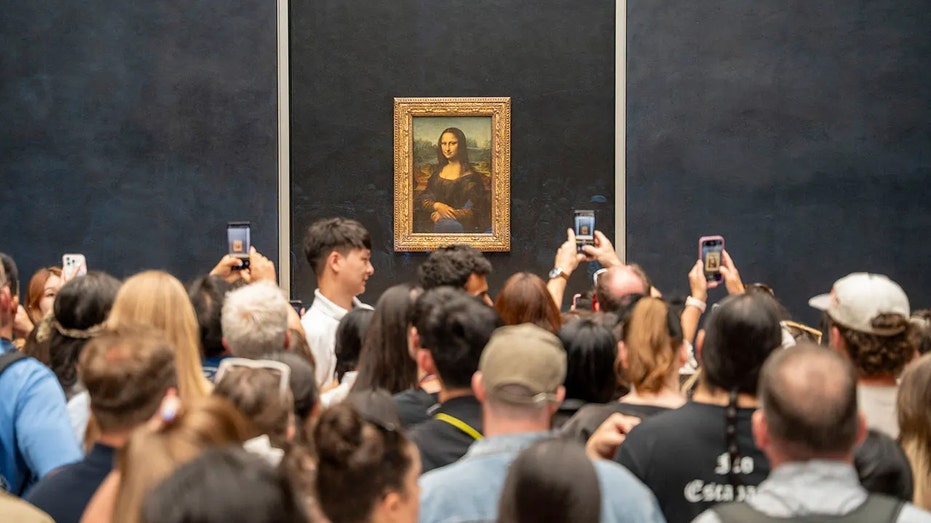
The world-renowned Louvre Museum in Paris is responding to a brazen daylight heist with a significant shift in policy, one that directly impacts international visitors. The audacious break-in, which occurred in October within the historic Apollo Gallery, exposed vulnerabilities and triggered a sweeping reassessment of security protocols.
In the wake of the theft, museum officials are embarking on a multi-million dollar security overhaul. Plans include the installation of 100 additional cameras by the end of 2026, alongside the immediate implementation of advanced anti-intrusion systems within weeks. This comprehensive upgrade represents more than twenty emergency measures designed to fortify the museum’s defenses.
However, the cost of this enhanced security will be borne by those traveling from outside the European Union. Beginning January 14th, non-EU citizens will face a substantial increase in ticket prices, jumping from $25 to $37 – a rise of $12 per person.
The Louvre welcomed nearly nine million visitors in 2024, with a striking 77% originating from outside of France. American tourists comprised a significant portion of this international influx, accounting for approximately 13% of all visitors. This price adjustment directly targets this substantial group.
This move isn’t isolated. A growing trend is emerging where iconic landmarks and museums are re-evaluating their pricing structures, prioritizing access and affordability for their own citizens. The Louvre’s decision echoes a similar strategy unfolding elsewhere.
Across the Atlantic, the United States is also implementing a tiered access system. Starting January 1, 2026, the “America the Beautiful” pass will offer U.S. residents annual access to national parks for $80, while non-residents will be required to pay $250 for the same privilege.
The Louvre’s new security coordinator role is another key component of the response, signaling a dedicated focus on proactive threat assessment and prevention. The museum is determined to safeguard its priceless collection and restore public confidence in its security measures.
These changes reflect a global conversation about access, security, and the financial realities of preserving cultural heritage. The Louvre’s decision, while controversial, underscores the escalating costs associated with protecting world-renowned institutions in an increasingly uncertain world.