A stark warning has been issued for any American considering travel to Venezuela: do not go. The State Department has reaffirmed its highest-level travel advisory, painting a picture of extreme danger and a nation where even accidental border crossings can lead to dire consequences.
The advisory doesn’t mince words. It explicitly states there is no safe way to travel within Venezuela, regardless of the method. This isn’t simply a caution against petty theft; it’s a declaration that the entire country presents an unacceptable level of risk to U.S. citizens.
This heightened alert stems from a confluence of threats. Violent crime – homicide, armed robbery, kidnapping, and carjacking – is rampant. The situation is further complicated by the presence of dangerous Colombian terrorist groups operating near Venezuela’s borders with Colombia, Brazil, and Guyana.
Perhaps the most chilling aspect of the advisory concerns the fate of those detained. U.S. citizens have been held for years without due process, often cut off from all communication and subjected to horrific treatment. Former detainees and human rights organizations report severe beatings, agonizing stress positions, and even waterboarding.
The U.S. government’s ability to offer assistance is severely limited. Diplomatic ties were severed in 2019 with the closure of the embassy, leaving officials unable to provide emergency services or consular support to Americans within the country.
Beyond the threat of violence and arbitrary detention, a critical shortage of basic necessities plagues Venezuela. Gasoline, electricity, water, medicine, and medical supplies are all in short supply, creating a humanitarian crisis that further endangers anyone present.
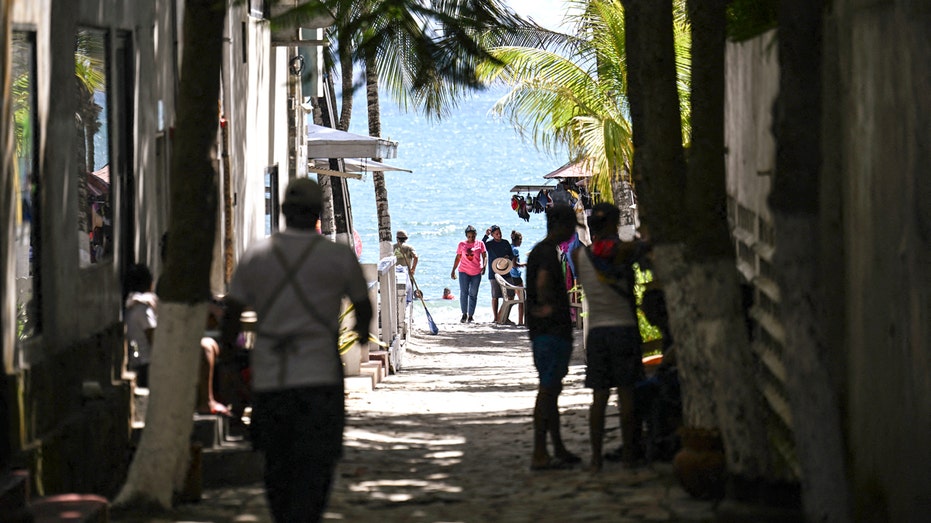
Despite these overwhelming dangers, Venezuela possesses a haunting beauty. Canaima National Park boasts the world’s tallest uninterrupted waterfall, Salto Angel, while the Los Roques Archipelago offers pristine white sand beaches and turquoise waters. These landscapes stand in stark contrast to the perilous reality on the ground.
The renewed advisory arrives amidst increased U.S. efforts to combat narco-terrorism. Recent statements indicate a focus on disrupting drug trafficking operations, both at sea and increasingly, on land. The government has also accused the Maduro regime of deliberately weaponizing migration, alleging the intentional sending of criminals and individuals with dangerous histories.
For U.S. citizens currently in Venezuela, the message is unequivocal: depart immediately. The risks are simply too great, and the ability to provide assistance is severely constrained. This is not a destination for adventure; it is a place where lives are at risk.