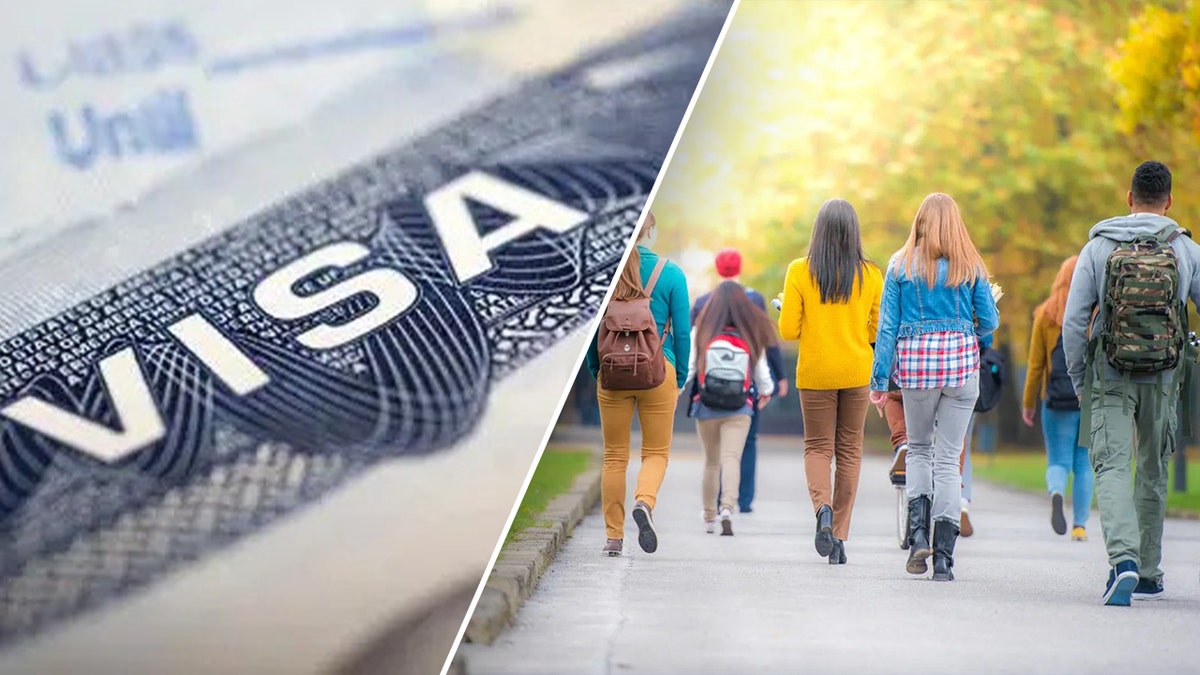
Twenty-five years ago, as a consular officer in India, I began to see a disturbing pattern with the H-1B visa program. It wasn’t working as intended, and the consequences were quietly eroding opportunities for American workers. Recent discussions with a panel of experts at the Heritage Foundation only solidified this long-held concern: the program has drifted far from its original purpose and demands serious reform.
The initial promise of the H-1B visa was to fill critical gaps – to bring in specialists with skills genuinely unavailable within the U.S. workforce. The stated goal was to help companies access “needed business skills and abilities.” However, a crucial element was missing: no requirement to demonstrate a legitimate search for qualified American talent. Employers weren’t even obligated to *try* to find Americans first.
My experience interviewing countless applicants revealed a stark reality. While a few truly exceptional individuals stood out, the vast majority were simply average college graduates. This raised a troubling question: why would companies consistently offer H-1B workers lower wages than their American counterparts if they possessed truly unique, in-demand skills?
Experts Amanda Bartolotta, Ron Hira, Mark Krikorian, and Kevin Lynne confirmed a critical point – there isn’t a genuine shortage of talent or STEM-qualified individuals within the United States. The problem lies in mismatches between education and available jobs. We see recent graduates facing double the national unemployment rate while companies like Ford struggle to find 5,000 mechanics at competitive salaries. These issues require targeted solutions, not the mass importation of foreign labor.
Now, with the rapid advancement of artificial intelligence, the future of work is more uncertain than ever. As AI reshapes the job market, the question becomes even more urgent: why prioritize foreign workers over American citizens? The playing field is already uneven.
Students in countries like China and India often benefit from significantly lower tuition costs, allowing them to pursue degrees with minimal debt. American students, burdened by hundreds of thousands of dollars in loans, simply can’t compete with the lower salary expectations of H-1B visa holders. This system actively discourages Americans from pursuing crucial fields of study.
The reliance on cheaper foreign labor has created an addiction for some American companies. Consider Amazon, which secured over 10,000 H-1B approvals while simultaneously announcing over 30,000 layoffs. Where was the effort to retrain or reassign American employees? This pattern – hiring abroad while cutting jobs at home – is disturbingly common.
The actual number of truly specialized workers needed by even the largest American companies is surprisingly small. They could likely fit on a bus, not fill a stadium. And for these exceptional individuals, companies should be willing to pay a substantial premium to secure their expertise.
If AI firms are genuinely prepared to offer signing bonuses of up to $100 million for top talent, they will undoubtedly be willing to pay competitive salaries to attract a limited number of essential foreign workers. The market should dictate the terms, not a system designed to suppress wages.
Despite decades of incremental adjustments, Congress has consistently failed to adequately protect American workers through meaningful H-1B reform. The program is routinely exploited to displace American employees, a deliberate outcome, not an accidental one. A powerful coalition, spanning both sides of the aisle, actively works to maintain the status quo.
However, a counter-coalition is possible. Even those who typically disagree, like conservatives and Senator Bernie Sanders, share a common goal: creating job opportunities for young Americans. With support from both sides, a significant reform package is within reach.
Any reform must acknowledge the need for a limited, highly selective channel for truly exceptional temporary workers. Strict qualifications, rigorous scrutiny, and firm limits are essential. We must prioritize the American Dream and create opportunities for those who built this nation.
Failure to act risks fueling disillusionment and resentment among young Americans, making them vulnerable to empty promises. The time to prioritize American workers is now. Let’s seize this opportunity and build a future where opportunity thrives at home.