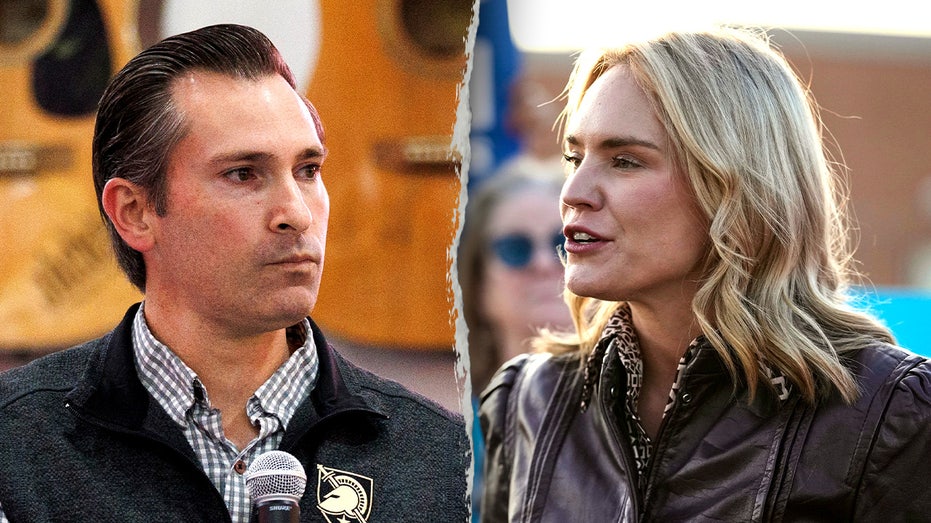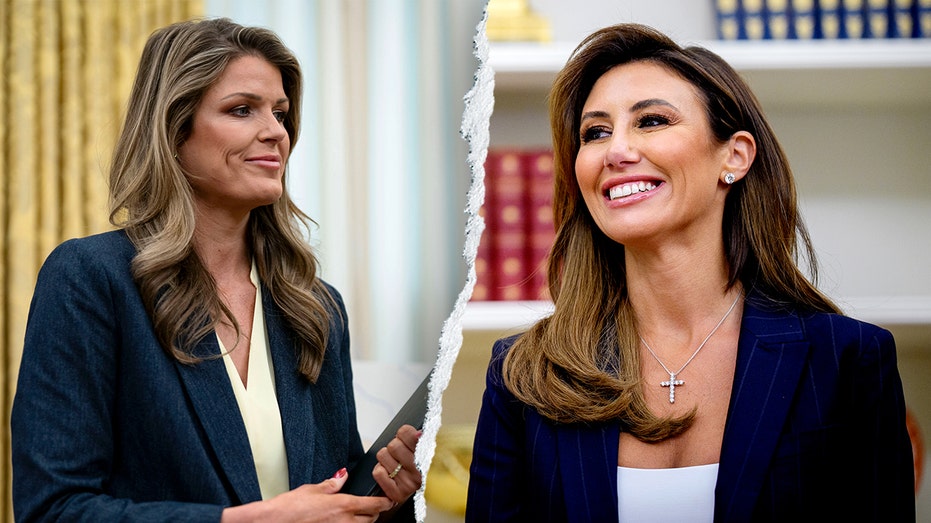
A quiet battle is unfolding, not on the political stage, but within the halls of justice, threatening the very foundations of executive power. It began with two appointments – Alina Habba in New Jersey and Lindsey Halligan in Virginia – interim U.S. Attorneys tasked with upholding the law, only to find their authority challenged and ultimately invalidated by lower courts.
The core of the conflict lies in a century-old Senate tradition known as the “blue slip,” granting home-state senators a near-veto power over federal appointments. This power, fiercely guarded, has created a situation where nominations can be indefinitely blocked, leaving critical positions vacant. When these senators refused to approve Habba and Halligan, the Attorney General utilized a provision in law allowing for 120-day interim appointments.
But after those 120 days elapsed, a surprising argument emerged. Opponents claimed the Attorney General had *no* further authority, that only district courts could fill the vacancies. This wasn’t simply about two individuals; it was about a potential power grab, a scheme to allow politically aligned judges to install their own U.S. Attorneys, effectively bypassing the Executive Branch.
The legal precedent, however, tells a different story. For decades, under Presidents Clinton and Bush, successive 120-day appointments were routinely made under the same legal framework. Yet, a Clinton-appointed judge dismissed this history, focusing instead on Halligan’s lack of prior prosecutorial experience – a detail legally irrelevant to the question of her appointment’s validity.
The judge’s opinion even included a President’s social media post, a blatant attempt to inject irrelevant political commentary into a legal ruling. This underscored a deeper concern: the erosion of the Appointments Clause, a constitutional provision designed to ensure the President, with Senate consent, controls key executive positions.
The Constitution explicitly grants the power to appoint inferior officers to both department heads and the courts. The issue isn’t *whether* appointments can be made, but *who* has the authority. The lower courts’ rulings, if left unchallenged, would effectively strip the Executive Branch of its constitutional power, creating a system where district judges wield unprecedented control over federal prosecutions.
The implications are far-reaching. Imagine a scenario where a future administration, even one with a different political agenda, is unable to temporarily fill U.S. Attorney vacancies. The power would remain indefinitely with the district courts, potentially for years, even decades, until a Senate-confirmed nominee is finally approved.
Now, the case has reached the Supreme Court. A recent ruling by a Third Circuit panel invalidated Habba’s appointment, adding urgency to the situation. The justices must decide whether to allow this unprecedented expansion of judicial power, or to reaffirm the constitutional balance between the Executive and Judicial branches.
The Court has a history of intervening in similar cases during this period, pushing back against lower court rulings that overstepped their bounds. A team of highly skilled lawyers, with a remarkable track record before the Court, is prepared to make the case for preserving the separation of powers and ensuring that U.S. Attorneys serve the President, not the courts.
The stakes are immense. This isn’t just about two appointments; it’s about the future of executive authority, the integrity of the legal system, and the fundamental principles upon which the nation was founded. The Supreme Court’s decision will determine whether U.S. Attorneys will remain accountable to the people through their elected President, or become servants of a politically motivated judiciary.