A quiet battle is unfolding, one that threatens the very foundations of executive power. It began not with grand pronouncements, but with a series of quiet refusals – a century-old Senate tradition weaponized to obstruct presidential appointments.
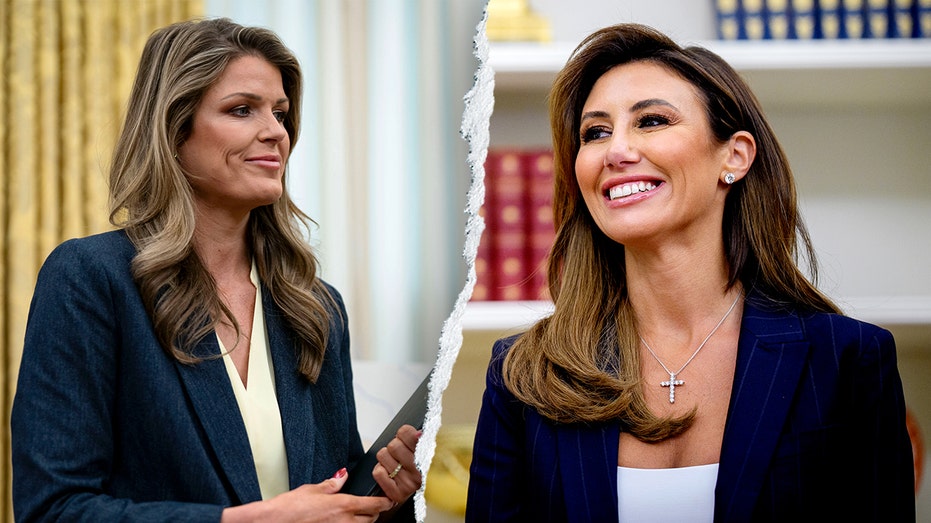
The “blue slip” process, granting home-state senators veto power over U.S. attorneys and judges, has become a chokehold. In New Jersey and Virginia, staunch opposition from senators blocked the nominations of Alina Habba and Lindsey Halligan, respectively. Attorney General Pam Bondi, acting within the bounds of existing law, appointed them to 120-day interim terms.
But the opposition didn’t end there. After those 120 days elapsed, a new argument emerged: the Attorney General had no further authority. A scheme began to take shape, one where obstructionist senators could effectively hand-pick U.S. attorneys, bypassing the President entirely and installing figures beholden to the courts, not the Executive Branch.
This isn’t a novel interpretation of the law. Attorneys General under Presidents Clinton and Bush routinely utilized successive 120-day appointments. Yet, a Clinton-appointed judge, Cameron Currie, dismissed this history, invalidating Halligan’s appointment with a ruling steeped in personal bias.
The judge’s opinion fixated on Halligan’s lack of prior prosecutorial experience – a detail legally irrelevant to the question at hand. Even more concerning, the ruling inexplicably referenced a social media post from the President, attempting to taint the appointment with political motivations. It was a clear overreach, a distraction from the core constitutional issue.
At the heart of the matter lies the Appointments Clause, granting the President the power to appoint officials with the Senate’s advice and consent. While Congress can regulate appointments to “inferior officers,” the law clearly allows for interim appointments by Attorneys General. District courts also have a role, but not an exclusive one.
The lower courts’ interpretation would create a dangerous precedent. It would effectively allow district judges to control U.S. Attorney positions indefinitely, potentially for years, until a Senate-confirmed nominee is approved. This isn’t just about two appointments; it’s about the future of executive authority.
The case has now reached the Supreme Court, following a Third Circuit panel ruling against Habba’s appointment. The justices face a critical decision: uphold the separation of powers, or allow the courts to seize control of a vital executive function.
This isn’t the first time the Court has had to intervene during this period. Repeatedly, they’ve stepped in to correct overreach from lower courts attempting to undermine presidential authority on issues ranging from personnel decisions to immigration policy.
A legal team with a remarkable track record – exceeding 90% success before the Supreme Court – has prepared the case. The justices must act decisively, reaffirming that U.S. attorneys serve the President, not the courts, and preserving the balance of power enshrined in the Constitution.
The stakes are immense. The outcome will determine whether future presidents can effectively execute the laws of the land, or whether their authority will be perpetually subject to the whims of obstructionist senators and activist judges.