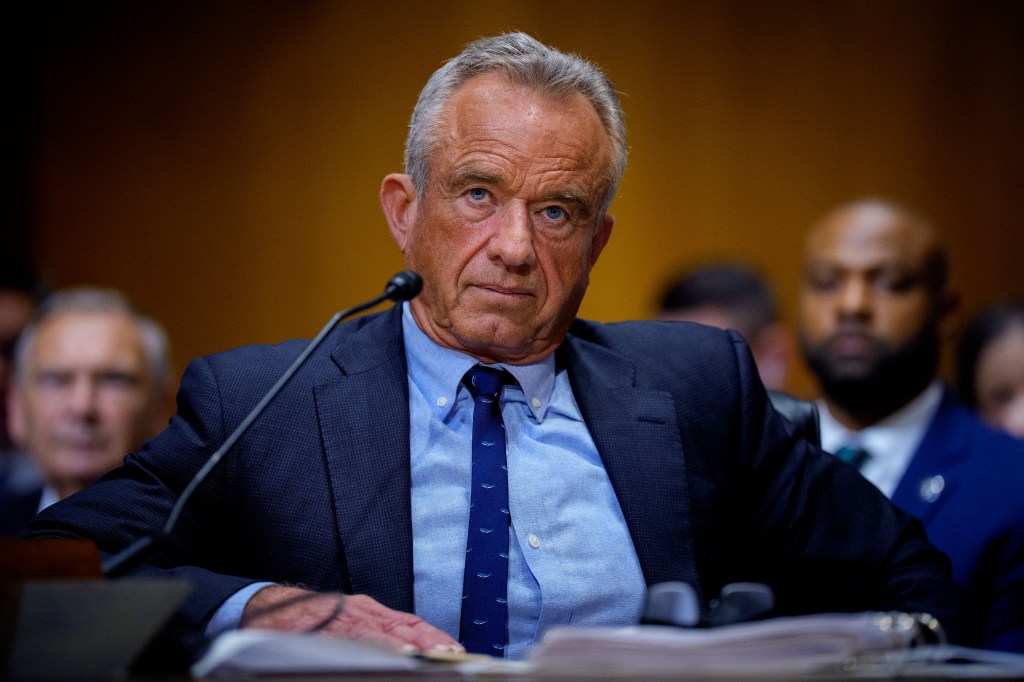
Robert F. Kennedy Jr. now leads one of the federal government’s most prominent voices, yet insists he doesn’t intend to dictate health choices to Americans. This seemingly paradoxical stance reveals a deeper shift occurring within the Department of Health and Human Services.
He once passionately advocated for a more direct approach to public health, even expressing a desire to “obliterate the delicacy” surrounding discussions of fitness. Kennedy envisioned a society where prioritizing physical activity was considered a fundamental aspect of good parenting, believing “suffering” could be a virtuous component of a healthy lifestyle.
The Department of Health and Human Services traditionally focuses on clear, vital information – vaccination reminders, food safety alerts, and practical health tips. However, under Kennedy’s leadership, the agency’s communications have taken a markedly different turn.
Long-standing, effective public health campaigns, like those combating smoking, are being sidelined. Instead, the agency’s Instagram feed increasingly spotlights Kennedy’s personal interests, his projects, and even the Secretary himself. Former employees describe a noticeable shift towards politically charged messaging, frequently featuring the slogan “Make America Healthy Again.”
Over twenty current and former agency employees, many speaking anonymously out of fear of reprisal, paint a picture of a department where personality and political alignment heavily influence public messaging. The change is stark, and deeply concerning to those who have dedicated their careers to public health.
One immediate sign of this shift is the diminished emphasis on critical preventative measures. Acclaimed anti-smoking campaigns, which had demonstrably reduced rates of smoking, are losing prominence as chronic disease prevention takes a backseat.
The agency’s social media presence reflects this new direction. Celebrations of Juneteenth and Father’s Day were absent this year, replaced by posts commemorating President Trump’s birthday and mourning the loss of Hulk Hogan. This seemingly trivial change speaks volumes about the altered priorities within HHS.
An HHS spokesperson attributed the shift in focus, including the de-emphasis on diversity, equity, and inclusion initiatives, to decisions made by the previous administration. However, this explanation does little to quell concerns about the agency’s current trajectory.
Even elected officials are expressing reservations. When Kennedy publicly suggested a link between Tylenol and autism, a Senator publicly advised women to consult their doctors, not a government bureaucrat. Public trust in Kennedy as a medical advisor remains low, with polls indicating that barely a quarter of respondents express significant confidence in his guidance.
Critics describe the department’s online messaging as resembling “propaganda” rather than objective public health information. This perception is fueled by a dramatic change in communication strategy following the new administration’s arrival.
Upon taking office, political appointees implemented a broad freeze on external communications, halting routine updates and disrupting established relationships with grant recipients. This initial disruption created logistical challenges and increased costs.
Even before the freeze was lifted, the tone and direction of HHS communications had begun to change. Television advertising for vaccines was abruptly halted within weeks of the inauguration, even during a season marked by a record number of childhood influenza deaths.
Instead of promoting vaccination, officials considered adopting more ambivalent messaging, potentially emphasizing vaccine risks. While this claim was disputed, the department continued to promote anti-vaccine narratives, even updating a webpage to falsely suggest a link between vaccines and autism.
Funding for tobacco control programs has also been curtailed, leading to layoffs and administrative turmoil within the CDC and FDA. The highly successful “Tips From Former Smokers” campaign, credited with helping a million people quit, is now in jeopardy, with no contract secured for the upcoming year.
The department is now prioritizing a new campaign, “Take Back Your Health,” focused on encouraging exercise through “viral” and “edgy” content. The funding for this initiative reportedly came from cuts to the “Tips From Former Smokers” program.
Similar shifts are occurring at the Food and Drug Administration. Political interference has become more common, with subtle and wholesale changes to public messaging. Initiatives that didn’t align with the administration’s agenda were downplayed or ignored.
For example, the agency was pressured to delay a press release announcing the approval of lab-grown pork, a move that could have alienated ranchers and farmers. While the release was eventually issued, subsequent approvals of similar products received less publicity.
Layoffs within the FDA’s food office have further hampered the dissemination of critical information, leading to delays in the circulation of food recall notices. Overall, the agency has become less transparent and responsive to public health concerns.
A significant reduction in televised public service announcements has resulted in billions fewer impressions for pro-vaccine messaging, as well as campaigns addressing substance use and mental health. Online advertising spending has also declined.
The agency’s Instagram feed now prominently features Kennedy himself, often engaged in personal activities like fishing, biking, and exercising, alongside promotion of his policies. This contrasts sharply with the previous administration, where the focus was on public health resources and policy updates.
The current administration has embraced overt politicking on social media, frequently using the slogan “Make America Healthy Again.” A new “rapid response” coordinator has also been hired, a role that didn’t exist in previous administrations.
The agency has even resorted to publicly belittling former officials who have criticized Kennedy’s leadership. This aggressive approach to communication has raised concerns about the integrity and objectivity of the department.
Kennedy’s “Make Our Children Healthy Again” report outlines priorities that are amplified by external advocacy groups. HHS officials have engaged in Zoom calls with these groups, seeking support for Kennedy’s agenda and leveraging their extensive social media reach.
The communications strategy, while captivating to some, is also creating confusion and eroding public trust. Former health officials report that patients are increasingly questioning established medical advice and seeking information from unreliable sources.
While some acknowledge Kennedy’s messaging is compelling, they also express concern about the real-world consequences of the department’s policies. The erosion of trust in public health institutions poses a significant threat to the well-being of the nation.