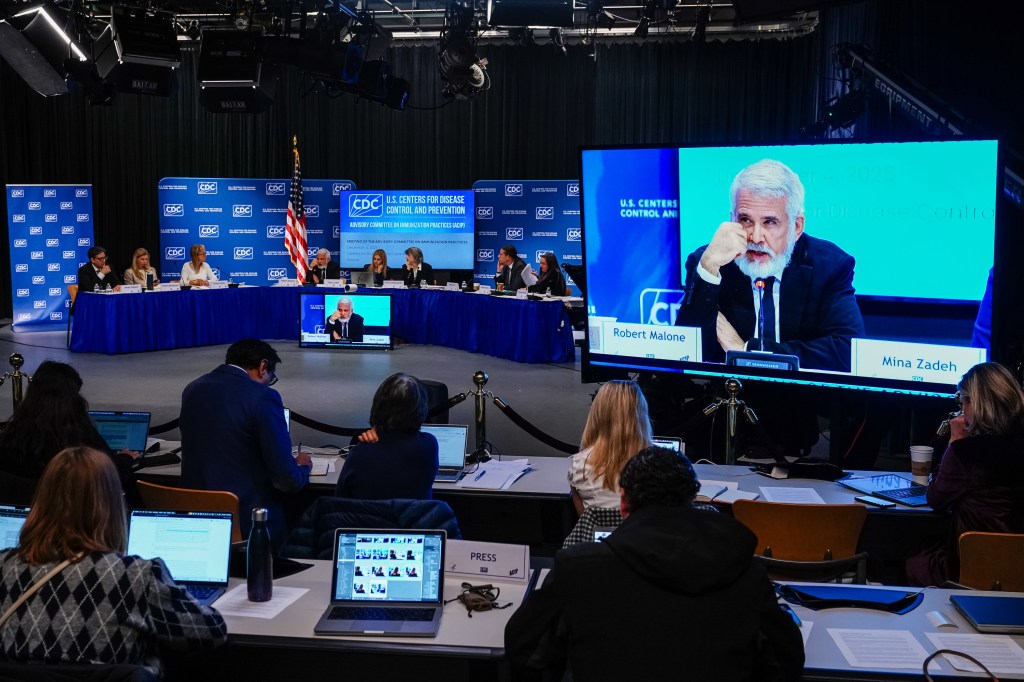
The United States stands on the precipice of a devastating loss: its measles-free status. If this happens, a once-conquered foe will return, ushering in an era of frequent outbreaks and preventable suffering.
The consequences will be heartbreaking. More children will be hospitalized, some facing permanent hearing loss, and tragically, some will die. Beyond the human cost, measles is a financially crippling disease, with even small outbreaks costing an estimated $244,000 to contain.
A recent, unpublished study reveals the staggering financial burden: a single case averages $58,600 in hospital costs, while an outbreak like the one in West Texas – 762 cases and 99 hospitalizations – totaled a shocking $12.6 million. The nation’s standing now hinges on a critical question: are current outbreaks linked to the large outbreak that began in Texas earlier this year?
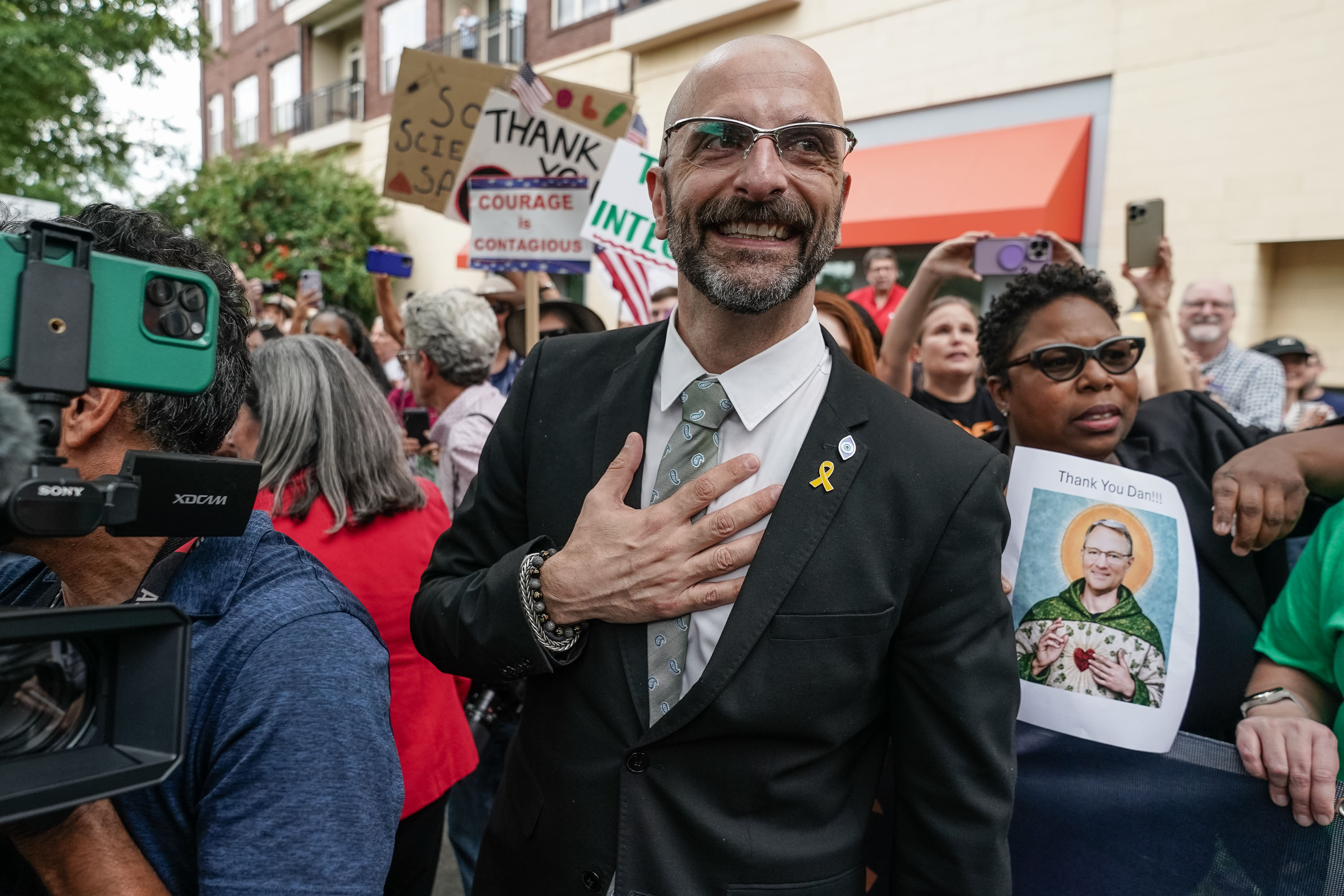
For decades, dedicated scientists tirelessly worked to eliminate measles, overcoming immense challenges to ensure vaccine availability, high coverage rates, and swift outbreak responses. Paul Rota, a recently retired CDC microbiologist after nearly 40 years of service, remembers the immense effort required to achieve this victory.
Instead of reinforcing these safeguards, a disturbing trend has emerged. The current leadership has actively undermined public trust in vaccines, jeopardizing years of progress. This erosion of confidence is particularly alarming given the proven safety and effectiveness of the measles vaccine – with only 4% of this year’s nearly 1,800 cases occurring in fully vaccinated individuals.
False claims, unsupported by evidence, have been amplified, suggesting vaccines may cause autism, brain swelling, and even death. Disturbingly, scientific information on a CDC webpage regarding vaccines and autism was replaced with these false narratives, a change directly ordered by the current administration.

The stakes are terrifyingly high. “Do we want to return to a time when 500 children died of measles each year?” asks Demetre Daskalakis, a former director of the CDC’s national immunization center, who resigned in protest. The concern is that the resurgence of measles is being downplayed rather than aggressively addressed.
Behind the scenes, CDC scientists are racing against time, meticulously tracking the measles virus. They are analyzing the virus’s genetic code, hoping to pinpoint the origin of outbreaks and understand the extent of the spread. This genomic detective work, while common with other viruses, is a relatively new endeavor for measles due to its previous rarity in the U.S.
Researchers are collaborating with state and university labs, building a crucial surveillance network. Kelly Oakeson, a genomics researcher at the Utah Department of Health and Human Services, explains they are working to determine if outbreaks are part of one large, continuous spread or separate events originating from abroad.
The situation is complex. While initial analysis suggests the outbreaks in Utah and Arizona are linked to the Texas strain, the virus is also spreading in Canada and Mexico, potentially complicating the determination of continuous U.S. transmission. Maintaining “measles-free” status requires year-round absence of continuous viral circulation.
Canada recently lost its elimination status due to the inability to prove the unrelatedness of outbreaks caused by the same strain. The Pan American Health Organization (PAHO), working with the World Health Organization, will soon assess the U.S. data and determine whether to revoke its status.
PAHO will demand transparency and rigorous justification for any findings. They will scrutinize the methodology and consider alternative interpretations. The decision will have profound implications for public health in the United States.
Researchers like Oakeson are going beyond basic strain identification, analyzing the entire genome of the measles virus – a sequence of 16,000 genetic letters. Subtle mutations accumulate over time, acting as a molecular clock to reveal the timeline of outbreaks and potential connections.
A direct infection will yield identical viruses, but viruses from a large, evolving outbreak will show increasing differences over time. Initial findings suggest the Utah outbreak, while caused by the same strain as Texas, may not be directly linked.
However, investigations are hampered by a lack of cooperation from affected communities. Many outbreaks are concentrated in close-knit, undervaccinated groups wary of government intervention and mainstream medicine, making it difficult to trace the initial source of infection.
The challenge extends beyond tracing infections. Many cases likely go unreported, as individuals may avoid costly medical care for mild symptoms. “If your kid has a measles rash but isn’t very sick, why would you bother?” asks Andrew Pavia, an infectious disease doctor at the University of Utah.
To overcome these obstacles, researchers are exploring innovative surveillance methods, including analyzing wastewater for traces of the measles virus. This could provide an early warning system, alerting public health officials before a surge in hospitalizations.
This quiet, scientific work stands in stark contrast to a troubling lack of public engagement. The CDC hasn’t held a single press briefing on measles since the current administration took office, and its last publication on the topic in its Morbidity and Mortality Weekly Report was months ago.
Reports indicate the administration initially impeded the CDC’s response to the Texas outbreak, slowing the release of emergency funds and hindering communication with state officials. Simultaneously, misleading information about vaccines was being disseminated.
Former CDC officials describe being met with silence when attempting to brief leadership on the escalating crisis. The fear is that the administration may downplay the severity of the situation, even at the cost of public health.
Despite these challenges, officials maintain that vaccination remains the most effective defense against measles and that ongoing efforts are underway to assess transmission patterns. However, the shadow of doubt looms large, and the future of measles elimination in the United States hangs precariously in the balance.
Given the administration’s history of distorting scientific data, there is a growing concern that they will attempt to discredit any findings that threaten their narrative, potentially sacrificing scientific integrity to avoid acknowledging a devastating failure.