For millennia, yoga has been celebrated for its ability to sculpt the body, to increase flexibility and strength. But its true power extends far beyond the physical realm, reaching into the deepest corners of the mind to cultivate a profound sense of well-being.
The modern world relentlessly assaults our nervous systems, leaving many grappling with stress, anxiety, and a pervasive sense of unease. Research now confirms what ancient practitioners have long known: yoga offers a potent antidote, a pathway to calm amidst the chaos.
Yoga isn’t simply exercise; it’s a carefully orchestrated symphony of movement, breath, and focused attention. This unique combination directly impacts brain function, fostering emotional regulation and resilience. It’s a practice that rewires us from the inside out.
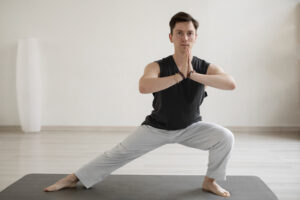
At the heart of yoga’s mental benefits lies its ability to tame the stress response. Chronic stress floods the body with cortisol, a hormone that, over time, erodes mental and physical health. Yoga demonstrably lowers cortisol levels, calming the nervous system and restoring a sense of equilibrium.
The impact on anxiety and depression is equally remarkable. Yoga activates the parasympathetic nervous system – the body’s “rest and digest” mode – counteracting the fight-or-flight response. Studies suggest its effects can rival those of traditional antidepressant medication.
Deep, conscious breathing and mindful movement work in tandem to quiet racing thoughts, offering a lifeline to those struggling with anxiety disorders. It’s a practice that anchors you in the present moment, breaking the cycle of worry and rumination.

But the benefits don’t stop there. Yoga strengthens the prefrontal cortex, the brain’s command center for decision-making and emotional control. Simultaneously, it gently quiets the amygdala, the brain’s ancient “fear center” often overstimulated in those experiencing anxiety or trauma.
Sleep, often a casualty of stress and mental health challenges, is also profoundly improved through regular yoga practice. By regulating the body’s natural sleep cycle and reducing hyperarousal, yoga paves the way for deeper, more restorative rest.
The world of yoga is diverse, offering styles tailored to specific needs. Hatha yoga, with its slow, deliberate movements, is an ideal starting point for beginners, fostering mindfulness and reducing stress.
For those seeking to release pent-up tension, Vinyasa yoga’s flowing sequences and synchronized breath offer a dynamic and invigorating experience. It’s a practice that sharpens focus and cultivates mental clarity.
Yin yoga, characterized by long-held, passive stretches, dives deeper, stimulating the parasympathetic nervous system and encouraging emotional release. It’s a practice of profound stillness and surrender.
Kundalini yoga, a more energetic practice, combines breathwork, chanting, and dynamic movements to enhance mental focus, inner awareness, and emotional balance. It’s a powerful practice for unlocking inner potential.
And for those grappling with anxiety or PTSD, restorative yoga, utilizing props to support the body in deeply relaxing poses, offers a gentle path to nervous system regulation and profound relaxation.
Embarking on a yoga journey doesn’t require a significant investment of time or money. Start small, with just 10-15 minutes a day, and gradually build your practice. Beginner-friendly classes and online resources abound.
Integrate pranayama – simple breathing exercises like deep belly breathing or alternate nostril breathing – to amplify the calming effects of your practice. These techniques are powerful tools for managing stress and anxiety.
Consistency is key. Schedule a dedicated time for yoga, whether it’s first thing in the morning to energize your day or in the evening to unwind. Make it a non-negotiable part of your routine.
Don’t hesitate to use yoga as a tool for emotional release. Poses like child’s pose, forward bends, and heart-opening postures can help you process and release pent-up emotions.
Consider joining a yoga community. Practicing with others provides encouragement, motivation, and a sense of belonging. Shared practice deepens the experience.
Yoga is a powerful, natural ally in the pursuit of mental well-being. It’s a holistic approach that nurtures both body and mind, offering a path to greater calm, resilience, and inner peace.
Start with a single breath, unroll your mat, and begin. Even a few minutes a day can unlock a transformative journey towards a more centered, balanced, and fulfilling life.