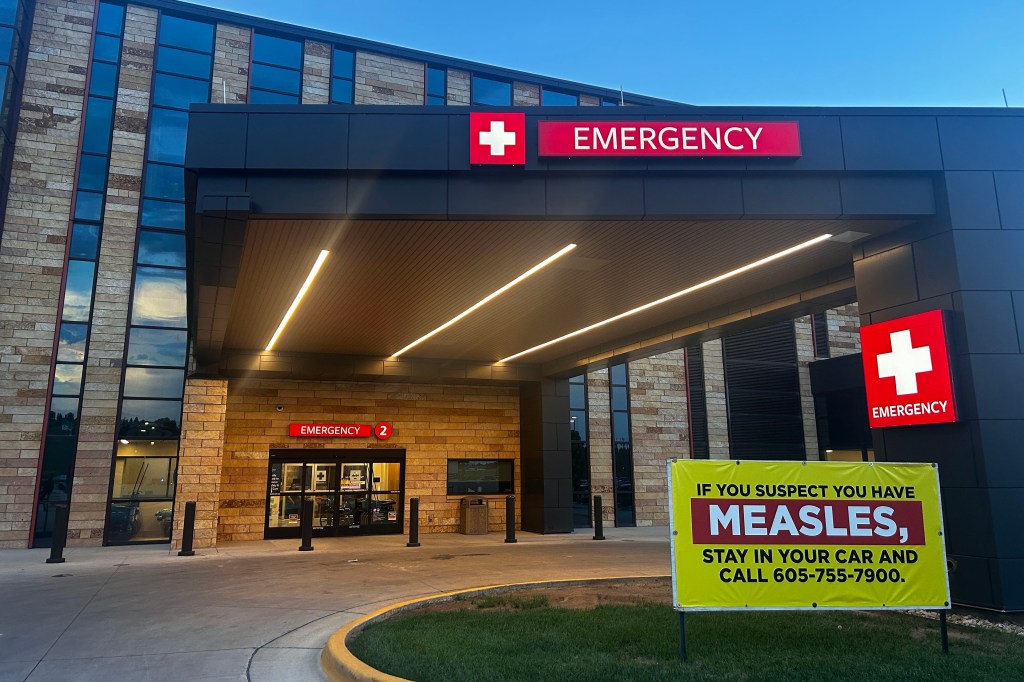
The United States stands on the precipice of losing its “measles-free” status, a milestone achieved through decades of dedicated public health work. If this happens, a new era will dawn – one where outbreaks become commonplace, and a preventable disease once relegated to history books will resurge with frightening speed.
The consequences are stark. More children will be hospitalized, suffering through the agonizing symptoms of measles. Some will face permanent hearing loss, a devastating outcome from a disease that should be easily prevented. Tragically, some will not survive.
Beyond the human cost, measles is an economic burden. Even small outbreaks demand a significant public health response. A recent, unpublished study estimates that containing a cluster of just a handful of cases can cost around $244,000.
Hospitalization dramatically increases those costs, averaging $58,600 per case. The outbreak earlier this year in West Texas, with 762 cases and 99 hospitalizations, is estimated to have cost approximately $12.6 million – a staggering figure for a disease that could largely be eradicated through vaccination.
The nation’s status hinges on a critical question: are the outbreaks occurring this year connected to the large outbreak that began in West Texas on January 20th? If these outbreaks are linked and continue beyond January 20th of next year, the United States will no longer be considered measles-free.
“So much hard work went into achieving elimination,” reflects Paul Rota, a recently retired microbiologist with nearly 40 years of experience at the Centers for Disease Control and Prevention (CDC). “Years of effort to make vaccines available, achieve good vaccination coverage, and have a rapid response to outbreaks to limit their spread.”

However, instead of reinforcing these efforts, a shift in leadership has undermined public health’s ability to prevent and contain measles. The appointment of Robert F. Kennedy Jr., a long-time advocate against vaccines, to a key position has eroded public trust in a proven life-saving intervention.
The measles vaccine is remarkably safe and effective. Of the over 1,800 confirmed cases in the country this year, only 4% occurred in individuals who had received the recommended two doses.
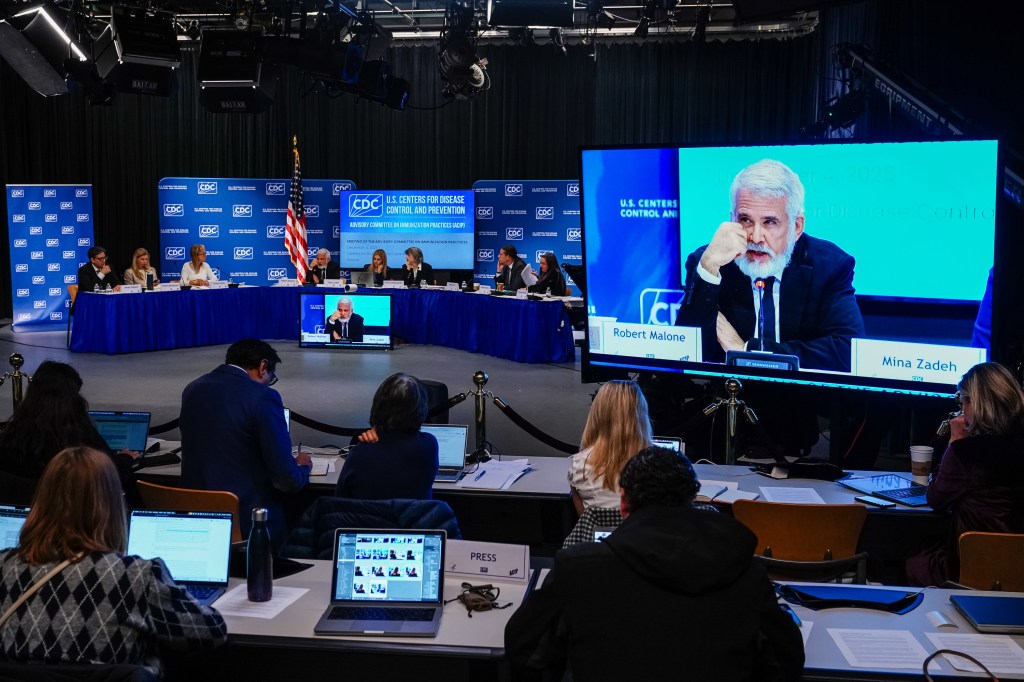
Kennedy has dismissed experienced vaccine advisors from the CDC and repeatedly made unsubstantiated claims linking vaccines to autism, brain inflammation, and even death. On November 19th, scientifically accurate information about vaccines and autism on the CDC website was replaced with demonstrably false assertions – a change Kennedy himself ordered.
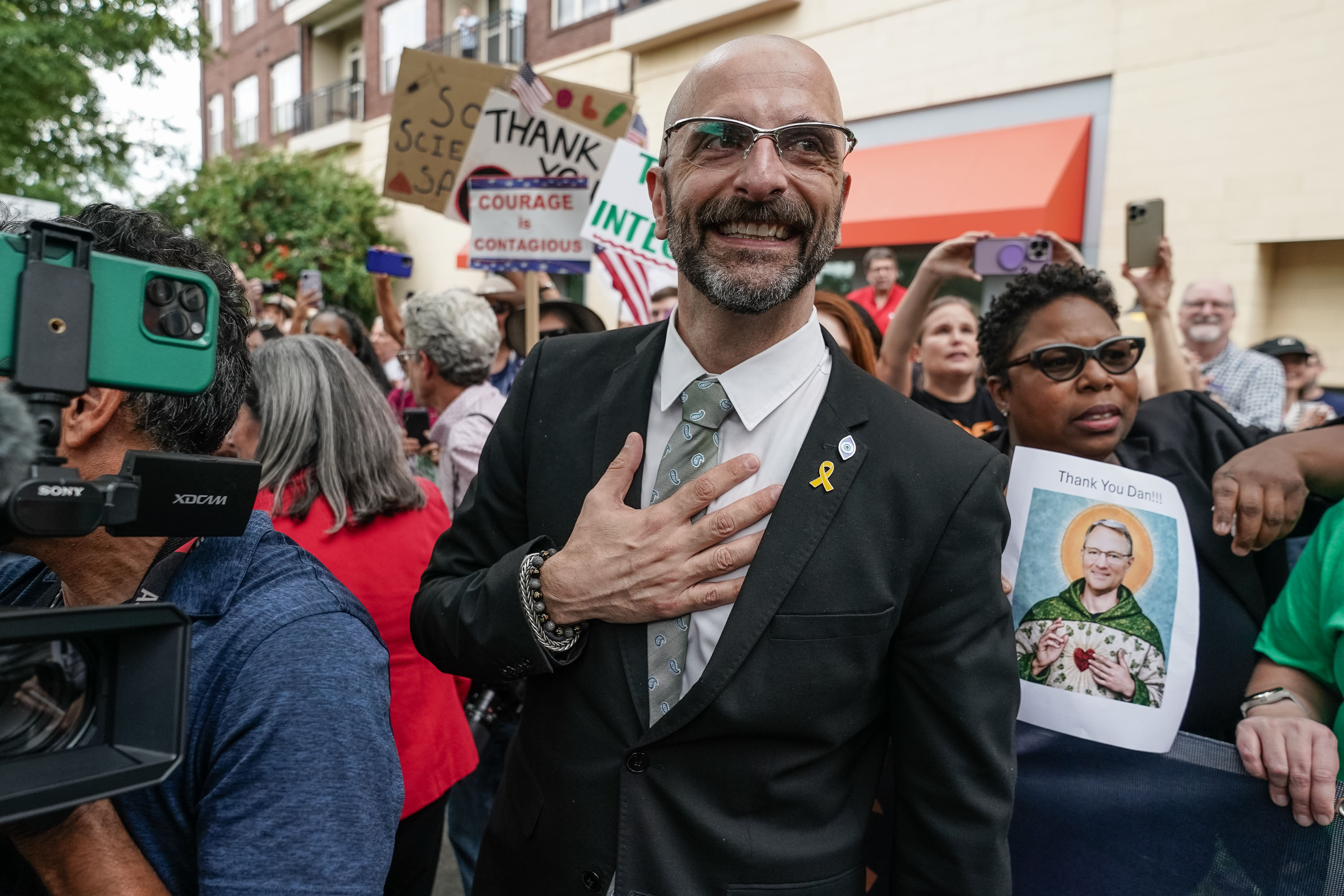
“Do we want to return to the pre-vaccine era, when 500 children died each year from measles?” asks Demetre Daskalakis, former director of the CDC’s national immunization center, who resigned in protest over Kennedy’s actions. The question hangs heavy with the weight of preventable suffering.
Daskalakis and other scientists express concern that the current administration appears more focused on downplaying the resurgence of measles than on actively containing it. This reluctance to prioritize public health is deeply troubling.
Scientists at the CDC are meticulously tracing the measles virus, working alongside researchers from state health departments and universities. They are analyzing the virus’s genetic code, searching for clues about its origin and spread, and identifying undetected cases.
This type of genetic analysis, common for diseases like HIV, influenza, and COVID-19, is relatively new to measles control, as the virus has been a minor threat in the US for decades. “It’s important to establish a surveillance network that can be scaled up rapidly when needed,” explains Samuel Scarpino, a public health specialist at Northeastern University in Boston.
Researchers are currently investigating whether outbreaks in Utah and Arizona are linked to the Texas outbreak, as both appear to be caused by the same strain, D8-9171. However, this strain also circulates in Canada and Mexico, raising the possibility of independent outbreaks originating from infections contracted abroad.
This distinction is crucial. Maintaining “measles-free” status requires demonstrating that the virus hasn’t been continuously circulating within the country for a full year. Canada recently lost its status because authorities couldn’t prove that multiple outbreaks caused by the D8-9171 strain were unrelated.
The Pan American Health Organization (PAHO), part of the World Health Organization (WHO), will evaluate the US data early next year. If the analysis confirms continuous transmission within the country, the organization’s director could revoke the “measles-free” designation.
“We expect countries to be transparent with the information they have,” states Daniel Salas, PAHO’s executive director of the comprehensive immunization program. “We will ask questions like: ‘How did you reach your conclusions, and did you consider other possibilities?’”
In preparation for this evaluation, researchers are meticulously comparing the genetic makeup of the D8-9171 strain in Utah to samples from other locations. They are examining the entire genome of the measles virus – a sequence of approximately 16,000 genetic letters – to track its evolution and determine how long ago different outbreaks originated.
The more genetic variation observed, the longer the virus has likely been circulating undetected, infecting more people than confirmed cases suggest. This underscores the importance of comprehensive surveillance.
Researchers are also exploring less invasive surveillance methods, such as analyzing wastewater for traces of the measles virus shed by infected individuals. Studies in Texas have shown this can serve as an early warning system, detecting outbreaks before people seek medical attention.
This quiet, painstaking work by CDC scientists stands in stark contrast to the agency’s lack of public communication. Since President Trump took office, the CDC has held no press conferences on measles and its last publication on the topic in the Morbidity and Mortality Weekly Report was in April.
Furthermore, the Trump administration reportedly delayed providing emergency federal funding and hampered communication with Texas officials during the initial outbreak. Simultaneously, Kennedy spread misinformation about vaccines and promoted unproven treatments.
Daskalakis recounts that his team at the CDC received no response when they requested to brief Kennedy and other HHS officials as the Texas outbreak worsened. “Objectively, they weren’t helping with the Texas outbreak, so if we lose elimination status, maybe they’ll say, ‘So what?’”
Despite these challenges, a spokesperson for HHS maintains that Kennedy responded forcefully to the Texas outbreak and that the US retains its “measles-free” status due to a lack of evidence of continuous transmission for 12 months.
Given Kennedy’s history of distorting data, Daskalakis fears the administration will attempt to discredit scientific findings or argue that the outbreaks are unrelated. Losing “measles-free” status would be a significant blow, and one Kennedy would likely attempt to deflect blame for.