A $50 billion program designed to revitalize rural healthcare across the nation carries a troubling omission: minimal direct consideration for Native American tribes. While touted as the largest investment of its kind, the Rural Health Transformation Program funnels funds through states, leaving tribes vulnerable to being overlooked.
Federally recognized tribes, possessing a unique government-to-government relationship with the U.S., are unable to directly apply for these crucial funds. The responsibility falls to individual states, who are not mandated to prioritize tribal needs. This creates a precarious situation where the health and well-being of Native communities are subject to state-level discretion.
Despite this challenge, some states are taking proactive steps. Idaho, Nevada, Oregon, and Washington are exploring dedicating a portion – ranging from 3% to 10%, or even $20 million annually in Washington’s case – of their federal allocation specifically to tribal communities. These efforts represent a glimmer of hope amidst a complex landscape.
The situation is further complicated by a recent federal budget bill expected to drastically reduce Medicaid spending and increase the number of uninsured Americans. This looming financial strain adds urgency to the need for equitable distribution of the rural health funds, as tribes already face significant health disparities.
While the Centers for Medicare & Medicaid Services requires states to collaborate with tribal affairs offices, these consultations often exclude direct engagement with tribal governments themselves. Tribal leaders express frustration at being treated as stakeholders rather than sovereign nations with inherent rights.
Liz Malerba, of the United South and Eastern Tribes Sovereignty Protection Fund, emphasizes the inconsistency of tribal consultation across states. Even when required, the quality and depth of engagement vary dramatically, leaving tribal priorities uncertain.
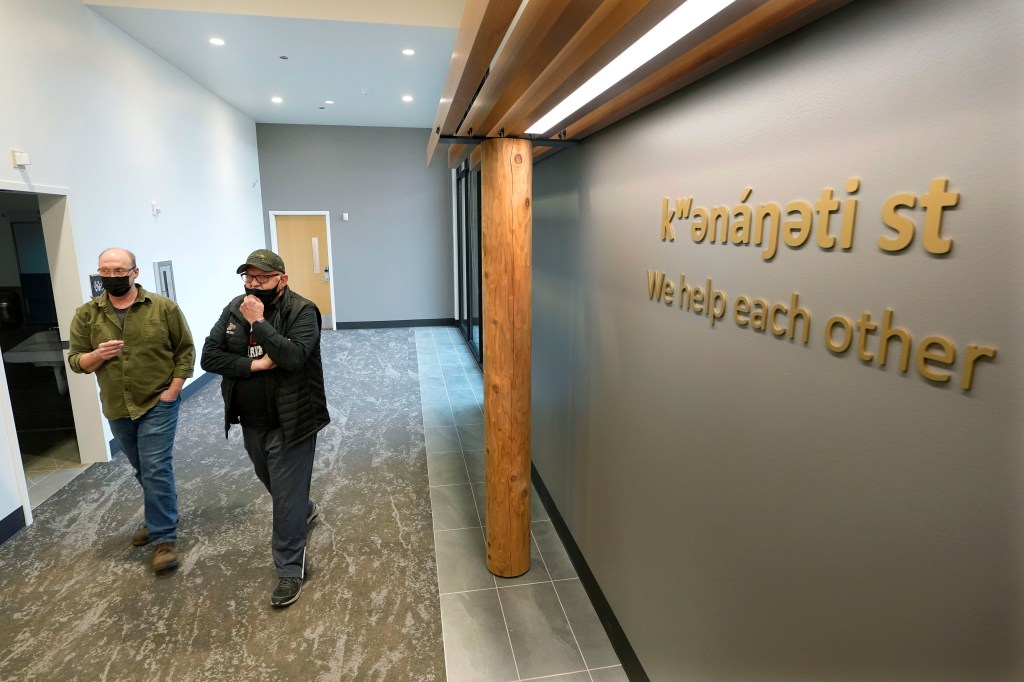
The need is undeniable. The nation’s 574 federally recognized tribes, representing over 7 million people, experience lower life expectancies and poorer health outcomes compared to other demographics. The Indian Health Service, already historically underfunded, struggles to meet the healthcare demands of these communities.
A recent analysis examined how twelve states with substantial Native American populations incorporated tribal needs into their funding applications. States like Idaho, Washington, Montana, and Arizona actively sought tribal input through consultations and listening sessions.
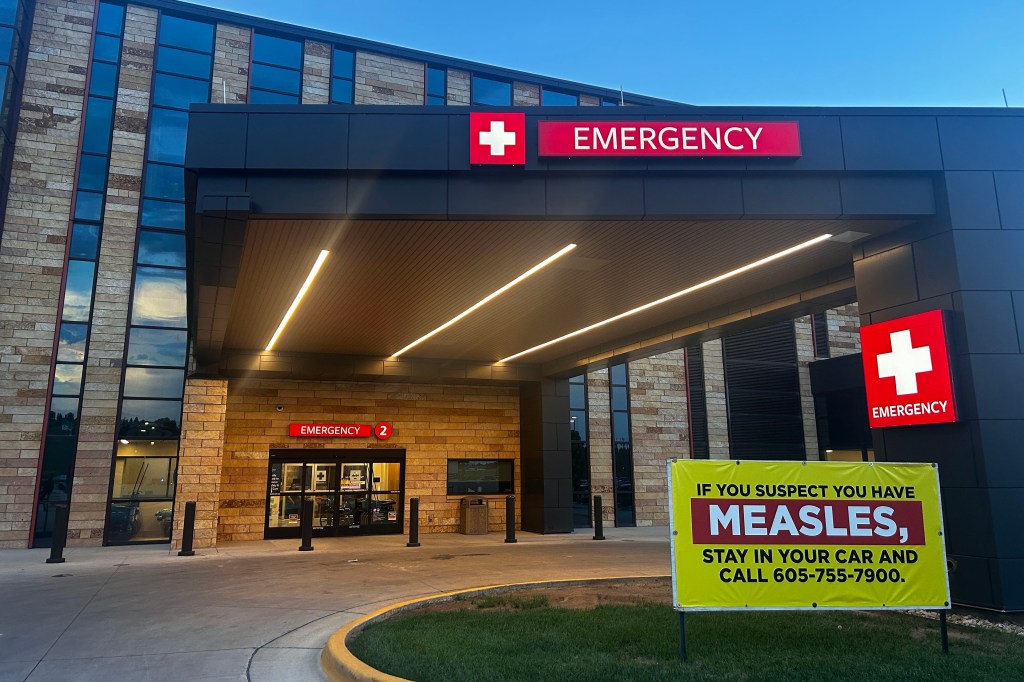
In South Dakota, where Native Americans comprise 9% of the population, tribal leaders proactively participated in public hearings to advocate for their communities. The state’s proposal identified needs like improved telehealth and funding for doula programs, promising continued engagement with tribal health boards.
Oklahoma, with a Native American population exceeding 14%, invited tribal representatives to contribute alongside the general public during the application process. North Dakota identified tribes as partners, proposing initiatives like residency rotations focused on tribal health, but ultimately rejected a proposal to earmark 5% of funds for tribes.
Washington’s application stands out with a dedicated initiative to improve Native American health, including workforce development, care coordination, and support for Indigenous health programs at Washington State University. Alaska proposed integrating traditional healing practices into village clinics, offering training for healers and healthcare providers.
Oregon proposed allocating $20 million annually – 10% of its award – to support its nine federally recognized tribes. However, even with these promising proposals, the ability of smaller tribes to compete for subgrants remains a concern, given limited resources for grant writing and program implementation.
The Great Plains Tribal Leaders’ Health Board awaits the outcome of the state applications, hoping their advocacy efforts will translate into tangible resources for their communities. The coming months will reveal whether this massive investment truly reaches those who need it most.
The fate of these funds will determine if the promise of rural health transformation extends to Native American communities, or if they are once again left behind in a system that often overlooks their sovereign rights and unique healthcare needs.