A brazen daylight robbery at the Louvre Museum in October exposed a shocking series of security failures, allowing thieves to escape with an estimated $102 million in crown jewels with mere seconds to spare. A recently completed investigation revealed a cascade of preventable errors that left one of the world’s most iconic museums vulnerable.
The meticulously planned heist unfolded with alarming ease. On the morning of October 19th, intruders breached the museum’s defenses, exploiting a critical weakness: only one of two security cameras near the entry point was operational. This initial lapse in surveillance set the stage for a near-perfect escape.
Inside the control room, security personnel were hampered by insufficient monitoring equipment, unable to track the unfolding events in real-time. Crucially, a lack of clear communication and coordination led to a disastrous initial response – police were dispatched to the wrong location when the alarm finally sounded.
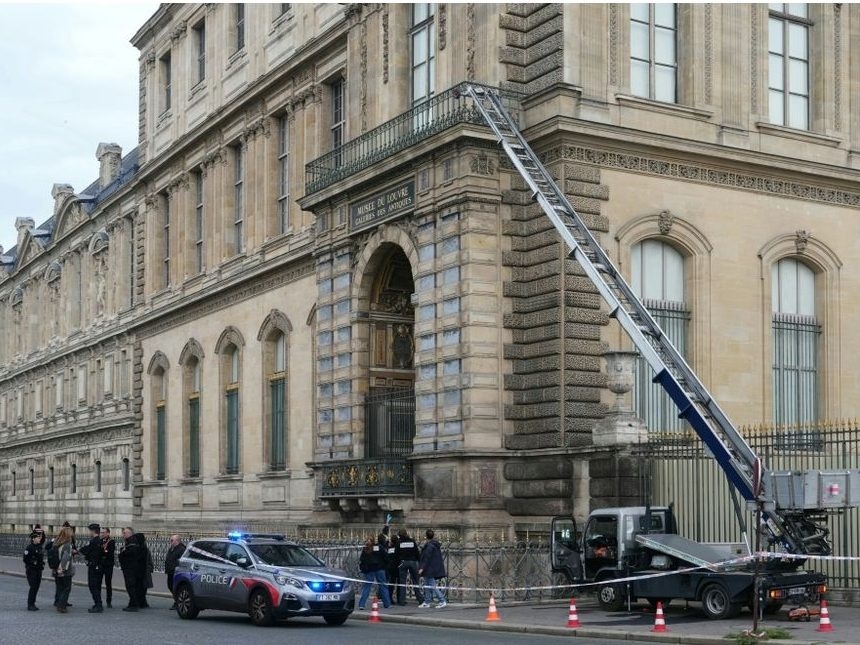
Investigators discovered the thieves departed the scene with a breathtakingly narrow margin for error. They escaped just thirty seconds before security guards and police arrived, a fact that has ignited outrage and prompted a thorough examination of the museum’s protocols. Had circumstances been slightly different, the robbery could have been averted.
The report detailed a decade of warnings, including a 2019 audit commissioned by the renowned jewelry firm Van Cleef & Arpels. This audit specifically identified the riverside balcony used in the heist as a significant vulnerability, easily accessible with a simple extendable ladder – the very method employed by the thieves.
Astonishingly, the current Louvre director, Laurence des Cars, was unaware of the 2019 audit, which had been ordered by her predecessor. The recommendations within the audit, if implemented, could have prevented the entire incident, highlighting a critical breakdown in information transfer and proactive security measures.
Police believe they have apprehended all four individuals involved, who made their getaway on powerful motorbikes after a ten-minute operation within the Apollo Gallery. The stolen jewels, however, remain missing, fueling concerns about their potential fate.
The revelations have placed immense pressure on the museum’s leadership and sparked a broader inquiry into the state of security at national treasures. A separate investigation is underway in the French parliament, and both des Cars and her predecessor are scheduled to face questioning by senators.
A recent audit by France’s state auditor revealed that security upgrades had been implemented at an “woefully inadequate pace,” with the museum seemingly prioritizing public-facing initiatives over essential protective measures. This prioritization has drawn sharp criticism from lawmakers and security experts.
One security advisor involved in the investigation expressed profound shock at the extent of the failures. “There was a succession of malfunctions that led to catastrophe,” he stated, “I never would have thought the Louvre could have so many malfunctions.”
Adding to the museum’s woes, a recent water leak caused significant damage to hundreds of historical journals, books, and documents in the Egyptian department. This incident, coupled with the robbery, has prompted Louvre staff to plan a strike, demanding immediate action to address understaffing and overcrowding.
The Louvre, which welcomed 8.7 million visitors last year, now faces a reckoning. The confluence of security breaches and infrastructure failures has exposed deep-seated systemic issues, demanding urgent and comprehensive reform to safeguard its invaluable collections.