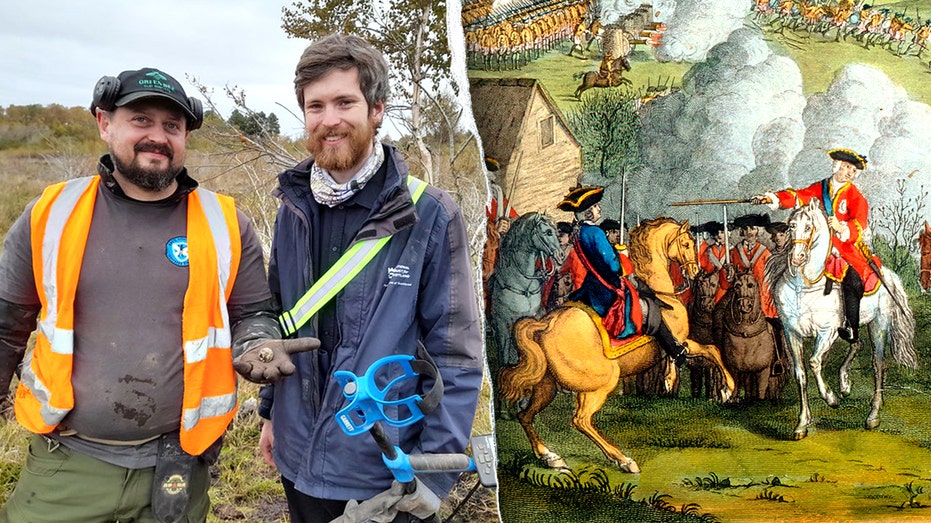
The windswept moor of Culloden, a place etched in Scottish history, has yielded a chilling testament to its final, desperate moments. Archaeologists, working alongside dedicated volunteers, recently uncovered a remarkable collection of bullets – silent witnesses to the brutal clash that extinguished a rebellion.
April 16, 1746. The Battle of Culloden. It was a day that irrevocably altered the course of British history, a day when Bonnie Prince Charlie’s Jacobite army faced the might of King George II’s forces. Within an hour, the dream of restoring the Stuart dynasty crumbled into dust and smoke.
More than one hundred projectiles, a mix of lead musket balls and formidable cannon shot, were painstakingly unearthed. Among them, a particularly striking find: a three-pound cannonball, believed to have been fired by Jacobite artillery during the battle’s furious climax.
Previous excavations had yielded similar finds, but this concentration of artifacts offered something new – a deeper understanding of the battle’s final, chaotic moments. The location of the projectiles hinted at a previously underappreciated act of bravery and sacrifice.
The evidence suggests a desperate, defiant stand by the Irish Brigade of France, who fought alongside the Jacobites. As the Jacobite army retreated in disarray, this battalion faced down hundreds of charging cavalry, buying precious time for thousands to escape the field.
This courageous rearguard action, though briefly noted in historical accounts, now emerges as a pivotal moment, a last gasp of resistance against overwhelming odds. It’s a discovery that archaeologists are calling their most significant of the year.
The boggy terrain of Culloden had long concealed these secrets. Combined with the effects of 19th-century forestry – creating acidic soils and disrupting the ground – past excavations had failed to reveal this hidden trove.
The team employed a combination of traditional trenching, test pits, and advanced metal detection technology to locate the artifacts. Each discovery was handled with the utmost care and respect for this solemn ground, a place where so much was lost.
Excavations at Culloden are planned to continue, with another major dig anticipated in 2026. The battlefield continues to whisper its stories, promising further revelations about this defining moment in British history and the courage – and tragedy – that unfolded on its windswept plains.
Each unearthed bullet is more than just a piece of metal; it’s a tangible link to the men who fought, bled, and died on that fateful day. It’s a reminder that history isn’t just written in books, but buried in the earth, waiting to be rediscovered.