A quiet yearning is sweeping across the nation. Americans are increasingly seeking genuine connection, a sense of belonging lost in the noise of modern life. A surprising solution is emerging, not in bustling cities or digital platforms, but in the quiet embrace of the wilderness.
Recent observations suggest that camping is becoming more than just a recreational escape; it’s a pathway to rebuilding community. Travelers are actively searching for experiences that foster closeness, driven by a desire to counteract work-life imbalance, dwindling shared moments, and the isolating effects of constant screen time.
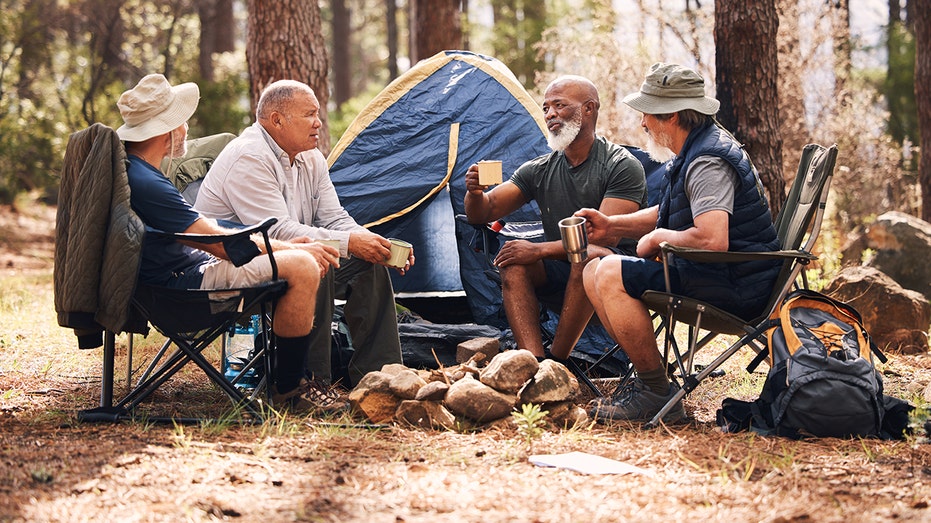
The desire isn’t simply for solitude, but for shared experience. People crave the intimacy of a campfire, the easy camaraderie with family, friends, or even strangers. This longing for closeness is a powerful force reshaping travel choices.
Experts in mental health explain that campgrounds offer a unique social environment. Stepping into a temporary community like a campsite subtly shifts the rules of engagement. The pressures of daily life – roles, expectations, and self-presentation – begin to fade.
This leveling effect encourages openness and vulnerability. Freed from the constraints of their everyday identities, people are more willing to connect authentically. A shared purpose – exploring nature, disconnecting from technology, and simply resting – creates a foundation of psychological safety.
Small, meaningful interactions flourish in this environment, easing feelings of isolation and fostering a sense of belonging. It’s not uncommon for campers to forge new friendships, with individuals reporting an average of four new connections per trip.
The benefits extend beyond social connection. Time spent outdoors demonstrably improves mental and physical well-being, reducing depressive thoughts and regulating sleep patterns. Stepping away from constant stimulation allows the nervous system to reset and find calm.
When the relentless demands of daily life quiet down, a remarkable thing happens: people become more receptive to interaction and community. Camping serves as a potent reminder of our innate human need for connection, a fundamental wiring that thrives when distractions are minimized.
This sentiment resonates deeply within the camping community itself. Online forums are filled with stories of trips where things went hilariously wrong – a sagging tent, a broken stove, a surprise swarm of bees – yet these challenges ultimately strengthened bonds.
One camper recounted a weekend where everything seemed to malfunction, but the shared struggle transformed into laughter and a profound sense of ease. Another described how battling the elements with friends created unforgettable memories and a deeper appreciation for simple moments.
These experiences highlight a powerful truth: it’s often the imperfections, the shared challenges, that forge the strongest connections. A “bad” camping trip, it seems, can often yield the best stories and the most lasting friendships.
The wilderness isn’t just a place to escape; it’s a place to rediscover what truly matters – the simple, profound joy of human connection.