The holiday season is upon us, and a surge of travelers is descending upon airports across the country, eager to reunite with family and friends. Recent Thanksgiving travel numbers shattered previous records, with over 3.1 million people passing through TSA checkpoints in a single day – and Christmas is predicted to be even busier.
Amidst the excitement of travel, a hidden threat looms: the increased risk of illness. Experts warn that the greatest danger isn’t what you touch during your journey, but rather, what you breathe.
Dr. Neha Pathak, a leading physician editor, emphasizes that respiratory viruses like the flu and COVID-19 primarily spread through the air and close contact, not from commonly touched surfaces. While tray tables and armrests receive a lot of attention, they pose a relatively low risk.
The real key to staying healthy lies in diligent hand hygiene. Regularly cleaning your hands and consciously avoiding touching your face can dramatically minimize your chances of infection. This simple practice offers a powerful layer of protection.
However, one type of pathogen *does* thrive on surfaces: the notorious “stomach bug,” or viral gastroenteritis. This incredibly hardy virus can survive on surfaces for days, making it a significant concern for travelers.
Unlike the airborne spread of respiratory viruses, the stomach bug is more likely to be contracted from contact with contaminated surfaces. This means tray tables, lavatory handles, and even seatback pockets could harbor the virus.
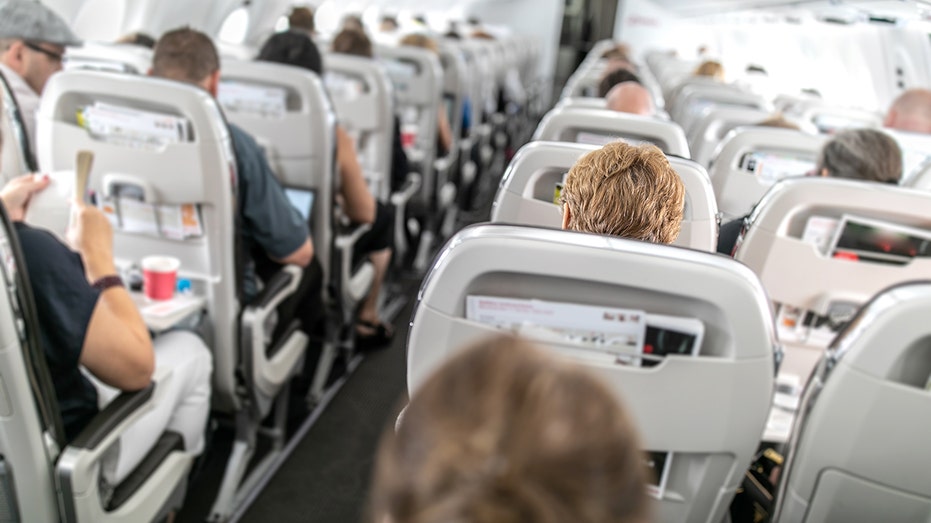
So, how can you maximize your protection while flying? Dr. Pathak recommends strategically choosing your seat. A window seat, located as far from the airplane bathroom as possible, offers the best defense.
This positioning minimizes exposure to passing passengers and reduces the number of close contacts you’ll have during the flight. Less traffic means less opportunity for airborne or surface-borne pathogens to reach you.
Beyond seat selection, simple preventative measures can make a significant difference. Wearing a mask provides an additional barrier against airborne viruses, while frequent hand washing and sanitizing remain crucial.
Finally, be mindful of your face. Consciously avoid touching your mouth and nose, especially during the flight, to prevent any lingering viruses from entering your system. These small habits can safeguard your health and ensure a joyful holiday season.